
Last updated October 16, 2026
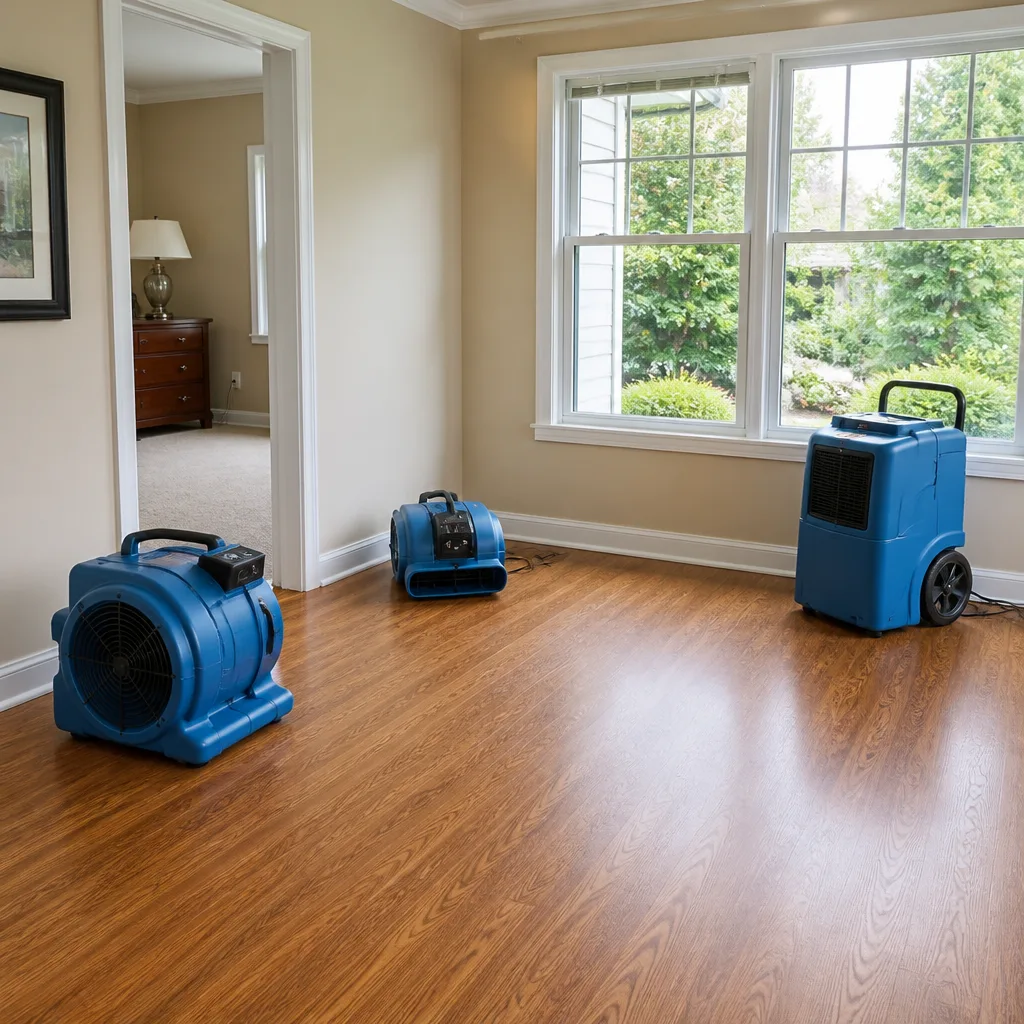 Water damage drying
 Fire & smoke cleanup
 Mold remediation
 Storm response
 Sewage cleanup
 Reconstruction
Free visual inspection and a written scope of work before any mitigation begins - photos, moisture readings, and drying logs go in your claim file
The scope we write is the scope we bill. Anything new gets shown to you, in writing, before we touch it.
Get your free estimateSeasonal Damage Restoration Care for Fort Worth: Year-Round Homeowner’s Guide
Fort Worth averages 45 days a year above 100°F, then turns around and delivers hard freezes that burst pipes in homes built for heat. That swing isn’t just uncomfortable. It’s the reason restoration companies stay busy every single month. What most homeowners don’t realize is that the damage we clean up in Fort Worth follows a predictable storm-drought-freeze cycle, not a calendar. By the end of this guide, you’ll understand exactly when each type of damage hits in Fort Worth, why it happens, and the specific tasks you can do before each window opens to avoid becoming another dispatch call. For a broader look at the topic, see our The Complete Guide to Damage Restoration in Fort Worth.
Restoration work we handle
Quick Answer
Fort Worth’s damage calendar breaks into four real seasons: spring hail and severe thunderstorms (March – May), summer humidity and AC condensate overflow (June – September), fall dry-air shrinkage and wildfire smoke (October – November), and freeze-pipe bursts during North Texas cold snaps (December – February). The most cost-effective approach is seasonal prevention: winterize outdoor lines before the first forecast below 28°F, clear AC condensate drains before June, and inspect roof penetrations after every hail event. Most of what we restore was preventable with about one hour of work at the right time.
Table of Contents
- Spring: Hail, Thunderstorms, and Roof Penetration Damage (March – May)
- Summer: Humidity, AC Condensate, and the 19% Mold Threshold (June – September)
- Fall: Dry-Air Shrinkage, Foundation Movement, and Wildfire Smoke (October – November)
- Winter: Why Fort Worth Freeze Damage Is Worse Than Northern Cities (December – February)
- Seasonal Transition Task List: Fort Worth Weather Dates, Not Calendar Months
- Inspection Findings: When to DIY vs. When to Call for a Moisture Assessment
- Common Mistakes to Avoid
- When to Call a Professional
- Frequently Asked Questions
- The Bottom Line
Spring: Hail, Thunderstorms, and Roof Penetration Damage (March – May)
Fort Worth sits in the southern end of Tornado Alley, and spring is when the atmosphere does its worst math: warm Gulf moisture meeting cold fronts from the plains. The result is hail. Tarrant County has recorded softball-sized hail, and even quarter-sized hail at 50 mph will crack ridge caps, dent roof vents, and tear through window screens. The water damage that follows hail doesn’t always show up the same week. It seeps into underlayment, waits for the next rain, then appears as a ceiling stain weeks later.
What actually causes the restoration work in spring isn’t the hail itself. It’s the roof penetrations: plumbing vents, furnace flues, skylight flashing, and attic exhaust vents. Hail dents the metal collars around these penetrations, and the next thunderstorm drives water straight through the gaps.
Your Spring Prep Sequence
- After any hailstorm, walk the perimeter and photograph roof vents from the ground. Look for dented turbine caps, bent pipe collars, or missing shingle granules collecting in the gutters. Granule loss is the early warning sign of shingle failure.
- Check attic insulation for damp spots within 48 hours of heavy rain. Wet insulation loses R-value and holds moisture against ceiling joists. If you catch it early, you dry it. If you miss it, you replace it.
- Clean window wells and clear the drainage path around your foundation. Spring downpours on Fort Worth’s clay soil pool fast. Standing water against a slab for 24 hours will find its way through hairline cracks.
Spring is also when we see the first AC start-ups fail. That’s technically a summer problem, but the condensate line clogs through winter when the system sits idle. A condensate drain that backed up in March becomes a ceiling collapse by June. Blow out the line or have it flushed during your spring AC tune-up, before temperatures demand the system run all day.
Summer: Humidity, AC Condensate, and the 19% Mold Threshold (June – September)
Fort Worth summers create three specific problems most homeowners don’t associate with water damage. The first is AC condensate overflow. A properly running AC in Tarrant County produces 5 to 20 gallons of condensation per day. That water is supposed to drain outside through a PVC line, but Fort Worth’s hard water builds scale inside the pipe. Once the line clogs, the water finds the next path: into the air handler’s emergency pan, then onto your ceiling or into your wall cavity.
The second problem is attic heat. Fort Worth attics regularly exceed 160°F, which degrades roof underlayment and shingles. But more relevant to water damage, that heat bakes the moisture out of structural wood, and then the humidity at night pushes it back in. The third problem is the one that matters most: when structural wood in a Fort Worth home stays above 19% moisture content for more than a few days, mold growth begins. That’s the threshold the restoration industry uses, and summer humidity alone can keep wood there if air circulation is poor.
Summer Risk Checklist
- Locate your condensate drain line exit and check it monthly. If the pipe is not dripping while the AC runs, you have a clog. A wet-vac on the pipe exit will pull the blockage out in about five minutes.
- Check the emergency drain pan under your air handler. If it holds water, the primary line is failing. That’s the stage where you call for repair before it becomes a restoration job.
- Use a hygrometer in your crawl space or any room that smells musty. Above 60% relative humidity for a week is the practical threshold where you should investigate further.
In neighborhoods with mature trees and shade cover, like the older pockets of Arlington Heights or Ryan Place, we see slower drying and more condensation on supply ducts. If you have a pier-and-beam foundation, check the crawl space ventilation in June. Then check it again in August. Humidity piles up over a season.
Fall: Dry-Air Shrinkage, Foundation Movement, and Wildfire Smoke (October – November)
Fall in Fort Worth is the quiet season for acute water damage, but it plants the seeds for winter emergencies and foundation trouble. The air dries out, and every piece of wood in your home shrinks: door frames, window sashes, hardwood floors, and trim. The gaps that open up are where smoke from late-season grass fires and prescriptive burns finds its way inside. Smoke alone doesn’t cause restoration work, but smoke plus any existing moisture problem creates a smell that will not come out with air fresheners.
More importantly, fall is when the clay soil in Fort Worth finally dries from summer’s monsoon weeks, and that’s when foundation movement peaks. The soil under your slab contracts unevenly, and any penetration in the slab (plumbing lines, sewer laterals, electrical conduits) gets stressed. A pipe that cracks underground in October may leak slowly into the soil for weeks before you notice a warm spot on the floor or an unexplained spike in the water bill.
Fall Fixes That Prevent Winter Damage
- Walk the foundation perimeter and fill visible soil gaps against the slab. When the soil pulls away from the concrete, any winter rain drains straight down beside the foundation and into the gap. Compact the soil back after the worst of the summer heat passes.
- Seal gaps around exterior wall penetrations. Dryer vents, cable lines, and hose bibs all have annular gaps where the wall sheathing meets the pipe. A 3-dollar tube of silicone in October prevents a freeze-cracked pipe in January.
- Have your chimney inspected before you burn anything. Creosote plus embers is a fire risk, but the water damage risk comes from cracked mortar caps. Rain gets in through the crown, freezes, expands, and opens the crack wider. By spring, the leak is inside.
Winter: Why Fort Worth Freeze Damage Is Worse Than Northern Cities (December – February)
Fort Worth doesn’t freeze often, but when it does, the damage is disproportionate. A house in Minneapolis is built with insulated pipes, heated basement environments, and a homeowner who can point to the whole-house shut-off valve in the dark. A Fort Worth house is typically on a slab, the pipes often run through uninsulated exterior walls, and the shut-off valve may have never been located. February 2021 is the proof: thousands of Tarrant County homes burst pipes in a single week, and the restoration backlog stretched for months.
The physical mechanism is the same everywhere: water freezes, expands, and splits the pipe. The local difference is awareness and preparation. Northern homes are insulated against cold as a matter of building code. Fort Worth homes are insulated against heat. So the first hard freeze strains pipes that were never designed for it.
Freeze-Prep Sequence for Fort Worth Homes
- Find and label your whole-house shut-off valve before you need it. It’s usually in the garage or near the water heater. Every adult in the house should be able to turn it off in two minutes.
- Winterize outdoor hose bibs before the first forecast below 28°F. That means detaching every hose, draining the bib, and installing an insulated foam cover. The hose itself holds water against the valve, and that’s the exact spot where the pipe bursts.
- Open cabinet doors under kitchen and bath sinks on any night the low temp is forecast at 28°F or below. This lets warm indoor air reach the supply lines in exterior walls. It’s the difference between a cold pipe and a burst pipe.
- Know where your exterior wall supply lines run. If you have a sink on an exterior wall, a laundry room on an exterior wall, or a bathroom on the north side of the house, those are your highest-risk pipes.
When a Fort Worth freeze event is forecast, drip faucets on exterior walls. Not a trickle. A steady thin stream. And run hot and cold both, because the hot supply line freezes just as fast once the heater cycles off.
Seasonal Transition Task List: Fort Worth Weather Dates, Not Calendar Months
The mistake most seasonal guides make is treating damage prevention like a quarterly chore list the calendar decides. But Fort Worth weather doesn’t care about the equinox. It sends a cold front in October and a 90-degree week in February. Instead of prescription by month, trigger on specific Fort Worth weather events.
Trigger-Based Task List
- First forecast of 28°F or below (typically late November to early December): Winterize hose bibs, open cabinet doors, locate shut-off valve, drip exterior-wall faucets.
- First hailstorm of spring (typically March to April): Roof penetration inspection, gutter check, attic dampness check within 48 hours.
- First sustained week above 95°F (typically June): Check condensate drain line flow monthly, install condensate pan alarm if you don’t have one, verify crawl space ventilation.
- First consecutive week with no measurable rain after a wet spring (typically June to July): Foundation perimeter check, fill soil gaps against the slab, visually inspect supply lines under sinks.
- First cold front after summer (typically September to October): Seal exterior wall penetrations, inspect chimney mortar and crown, check water supply line insulation.
- After any rainfall over 3 inches in 24 hours (any month): Check sump pump if you have one, walk the foundation perimeter for pooling, inspect window wells and exterior drain paths.
These triggers cover the damage windows that actually drive restoration calls in Fort Worth. The beauty of building the habit this way is that each task takes under an hour, and the alternative is watching a crew set up drying equipment in your living room for four days.
Inspection Findings: When to DIY vs. When to Call for a Moisture Assessment
The line between a homeowner fix and a professional water damage response comes down to scope and moisture load. You can dry a single damp corner. You cannot dry a wall cavity that’s been wet for a week without the right equipment and meters. Here’s the decision criteria we use on our own Fort Worth calls.
Corrections You Can Handle Yourself
- A single damp spot on exposed drywall or ceiling, with no visible mold growth, within 48 hours of the leak. Point a box fan at the area and run a dehumidifier. Check the spot with a moisture meter after 48 hours. If the reading drops below 15% wood moisture equivalent, you’re done.
- A clogged condensate drain that’s still contained in the emergency pan. Wet-vac the line exit, add vinegar to the pan to dissolve scale, verify drainage flow.
- A window well that pooled water after heavy rain but drained within a few hours. Clear the drainage path, check the window seal, move on.
- A hose bib that froze once but didn’t burst. After thawing, check the interior valve for drips. If it holds, insulate the bib and note it for replacement.
Situations That Warrant a Professional Moisture Assessment
- Water that traveled through a wall cavity or ceiling and sat for more than 72 hours. Stagnant moisture in enclosed spaces begins supporting mold growth well before you see staining.
- Visible mold that covers more than 10 square feet. That’s beyond spot cleaning and into the range where professional containment is required to keep spores from spreading through the HVAC system.
- Water from a contaminated source: sewage backup, washing machine overflow, or rainwater that pooled against the foundation. These are category 2 and 3 water situations, and the correct response is sanitization, not just drying.
- Repeated moisture meter readings above 19% on structural wood after 48 hours of DIY drying. If the fan and dehumidifier didn’t move the needle, you’re fighting hidden moisture inside the cavity.
- Any water event where you don’t know the source. A ceiling stain with no obvious roof leak, a floor warm spot with no visible plumbing issue; these require leak tracing with thermal imaging and moisture meters, not guesswork.
We tell Fort Worth homeowners the same thing every time: if you’re not sure, a quick moisture assessment is cheaper than a month of mold remediation. And a professional assessment with a written scope costs nothing before you commit.
Common Mistakes to Avoid
- Ignoring the first sign of a condensate drain clog. A gurgle or a drip from the emergency pan is the early warning. A ceiling collapse is the late one. Blowing out the line takes minutes; cutting out wet drywall takes days.
- Dripping only one faucet during freeze events. Cold supply lines under exterior walls need a steady stream from both hot and cold taps. The hot line going stagnant while the tank cools is a classic Fort Worth burst source.
- Painting over a water stain without confirming the wood behind it is dry. The stain comes back when the hidden moisture migrates to the surface. If you didn’t dry the cavity, you just sealed a growing problem behind latex.
- Using a household fan instead of a dehumidifier on a real water event. A fan moves air; it doesn’t remove water from the room. Without dehumidification, you’re just blowing moisture around and increasing the risk of secondary damage.
- Leaving the hose attached in winter. The water inside the hose freezes first, then the ice expands back into the hose bib and into the wall pipe. Detaching the hose is the single most effective freeze prep there is.
- Putting off roof inspection after hail because you don’t see shingles missing. Hail damage is usually to the penetrations and underlayment, not the visible shingle surface. By the time you see the ceiling stain, the leak has been active for weeks.
- Assuming foundation movement is a fall-only problem. Fort Worth clay soil expands in wet spring weather and contracts in dry fall air. The movement cracks pipes and slabs in both directions. Watch the soil around your foundation year-round.
When to Call a Professional
Some situations need a real response team, and the faster you call, the less damage spreads. Call a professional water damage company immediately if you have standing water you can’t fully extract, water that’s been inside walls or under flooring for 72 hours or more, visible mold beyond what you can clean by hand, or any water that came from sewage. Call the same day if a freeze event has left you unsure whether a pipe burst inside a wall, because that kind of hidden leak adds damage every hour. Water Damage Restoration in Fort Worth is our core service, and we handle freeze bursts, AC overflows, and storm intrusion year-round. For any of these situations, Wendell Restoration Fort Worth offers free estimates in Fort Worth. Call (682) 432-0584, and a live person answers. We’ll give you a written price before any work starts, and you’ll get a live arrival time you can track, plus before-and-after photos by text.
Frequently Asked Questions
Most Fort Worth water damage restoration jobs run between $1,500 and $6,500, depending on the affected square footage, the water category, and how long the water sat. For detailed pricing factors, see our Damage Restoration Cost Breakdown: The Fort Worth Homeowner’s Reference for 2026. A small AC condensate overflow with quick response typically starts around $1,200 to $2,000, while a sewage backup that requires full containment and antimicrobial treatment can exceed $8,000. That’s why we put every price in writing before work starts, with a digital invoice you can pay from a link. Call (682) 432-0584 for an exact quote. Estimates are free.
Most homeowner policies in Texas cover sudden and accidental water damage, like a burst pipe or a storm-driven leak, but they typically exclude gradual damage from poor maintenance. If you catch a leak early and document it, your claim is much stronger. We photograph everything, work directly with your adjuster, and provide the written scope and moisture data insurance companies want to see. Water Damage Repair in Fort Worth is the page to read if you’re deciding between a claim and paying out of pocket.
If you call Wendell Restoration Fort Worth, a live person answers 24/7, and you’ll get a live arrival time you can track, not a four-hour window. For active water emergencies, same-day response is standard in Fort Worth. Water damage does not keep business hours, and neither do we.
That depends on the square footage affected and whether the moisture source is resolved. Mold that covers less than 10 square feet on a non-porous surface can often be cleaned by a homeowner who fixes the underlying leak. More than that, or any visible growth that returns after cleaning, warrants professional assessment. Here’s the honest guidance: if structural wood reads above 19% moisture and there’s visible mold on porous material like drywall or carpet, you need professional Mold Remediation in Fort Worth, not just a wipe-down. Call (682) 432-0584 and we’ll tell you which one you’re dealing with, with no pressure either way.
Because the homes here are built for heat, not cold. Pipes run through uninsulated exterior walls, hose bibs are unprotected, and most homeowners have never needed to locate the whole-house shut-off valve. When a hard freeze hits, the same pipes that handle July heat without issue are suddenly exposed to conditions they were never designed for. That’s why preparation matters so much more here than in Minnesota.
The 19% threshold is the moisture level in structural wood above which mold growth becomes likely in a typical indoor environment. In Fort Worth’s summer humidity, wood can stay above 19% for weeks if the air circulates poorly. That’s why we use psychrometric drying (tracking the air’s moisture level so we know when your home is truly dry, not just surface-dry) on every job. It’s also why a professional moisture assessment after a leak is worth doing even if everything looks fine on the surface.
The Bottom Line
Fort Worth’s climate doesn’t follow a four-season damage calendar. It follows a storm-drought-freeze cycle that creates specific, predictable damage windows. Spring brings hail that leaks through stressed roof penetrations. Summer breeds humidity that keeps structural wood above the mold threshold and AC condensate that clogs and overflows. Fall shrinks clay soil and opens the gaps that winter will exploit. Winter delivers the freeze events that burst pipes in homes built for heat. The homeowners who front-load their protection work stay dry, and the ones who react are the ones we see on dispatch calls. If you’re already past the prevention stage, Wendell Restoration Fort Worth home is where you’ll find our service pages, honest pricing, and a live person who answers at (682) 432-0584.
Written by Blake Sorensen, Owner at Wendell Restoration Fort Worth, serving Fort Worth since 2006. Explore more guides & resources on our blog.
See the difference
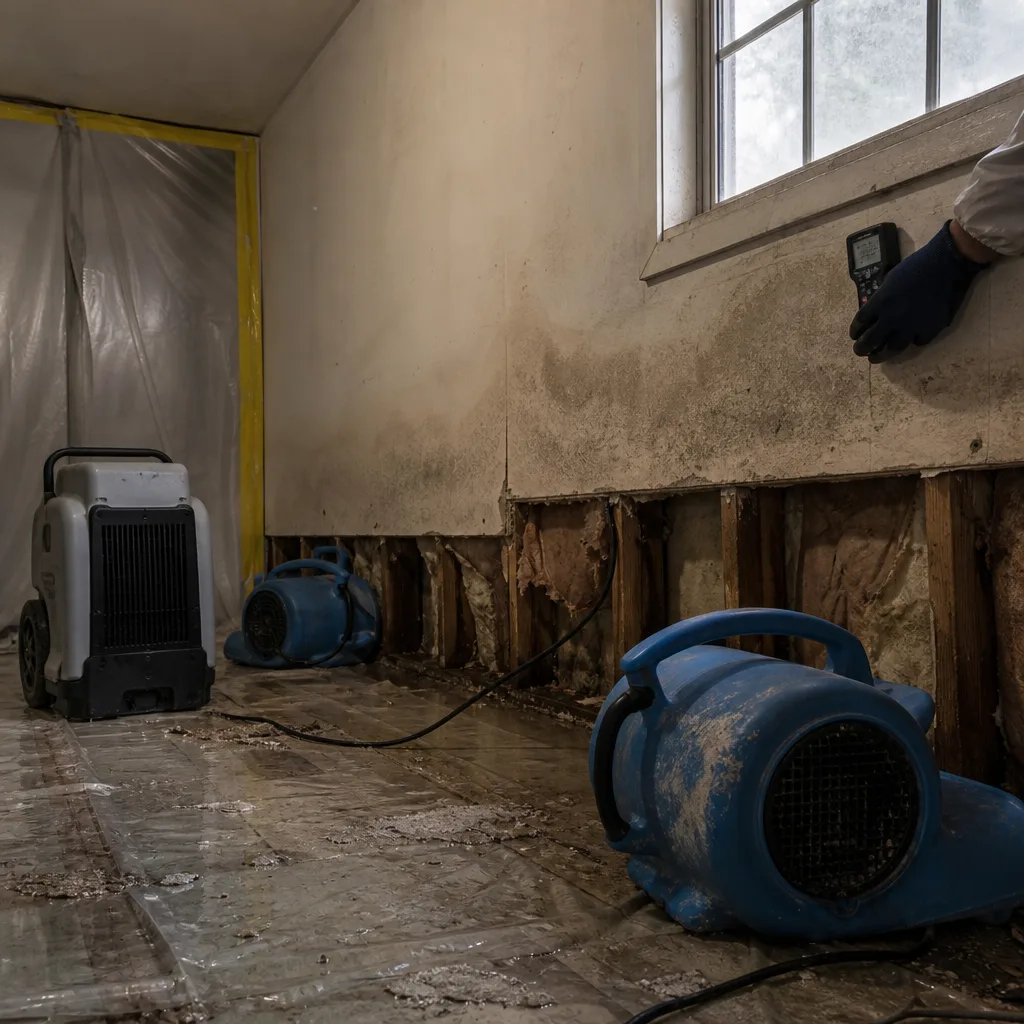 Before
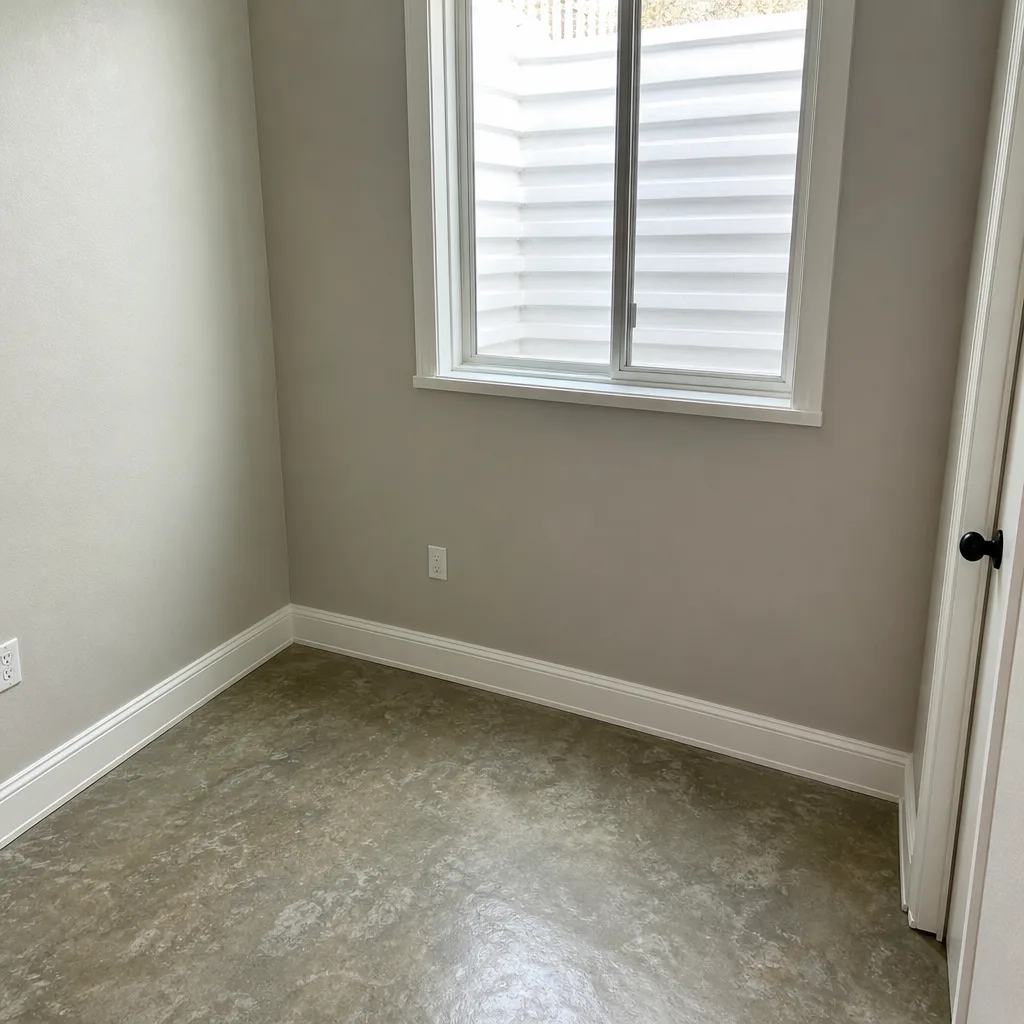 After
After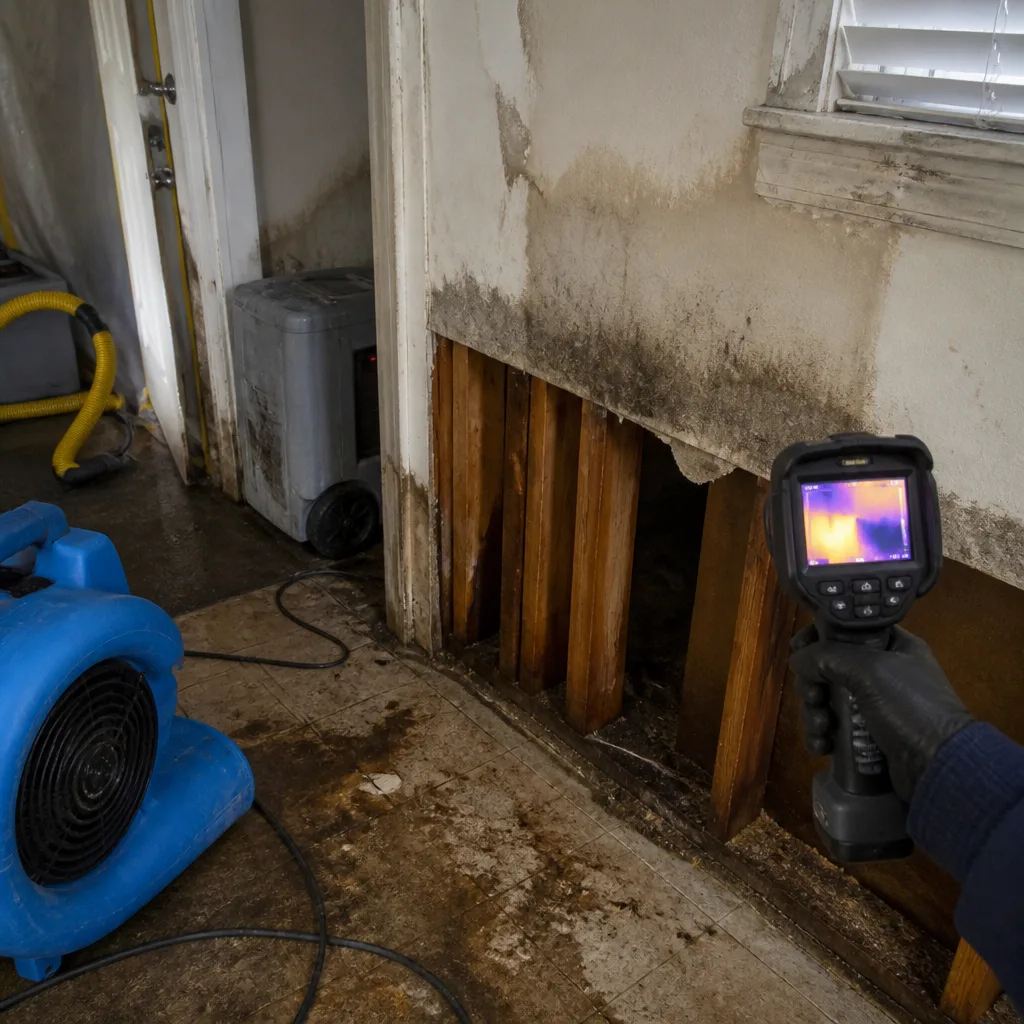 Before
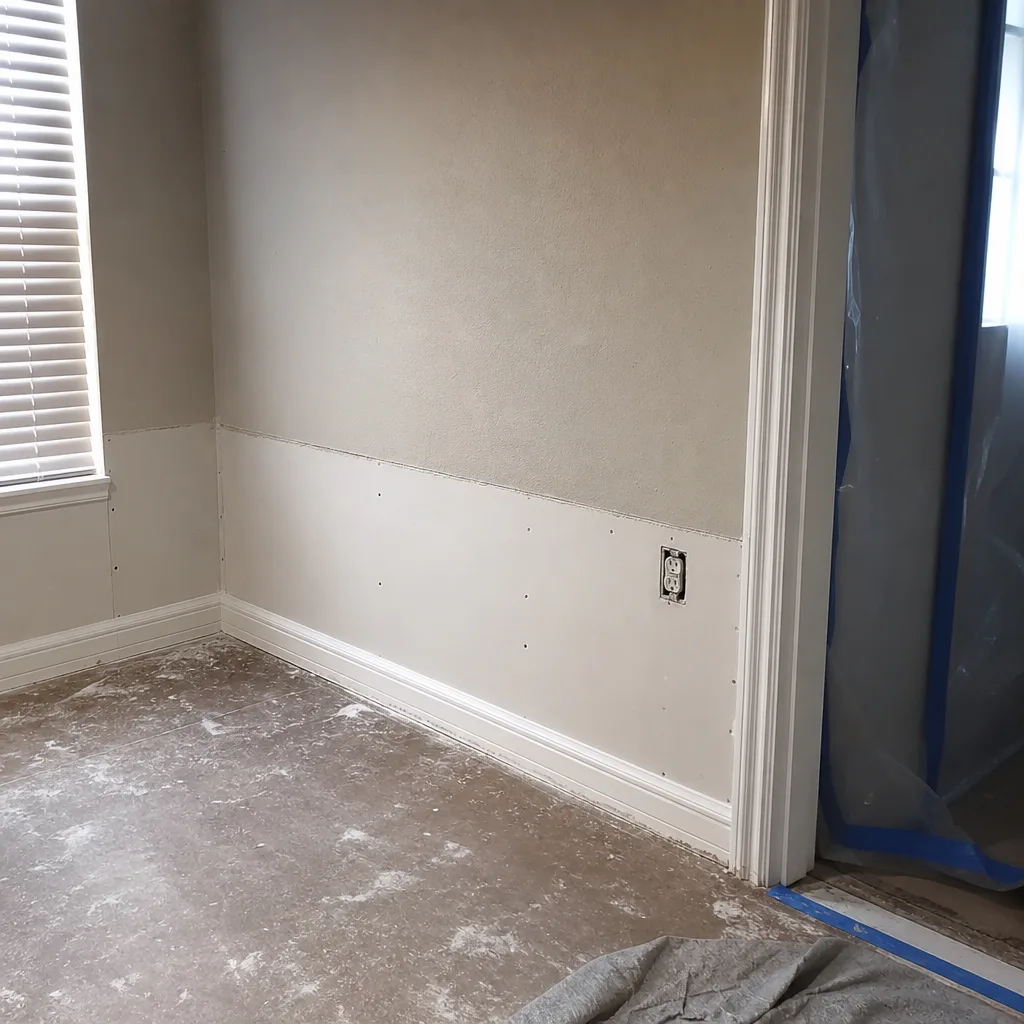 After
After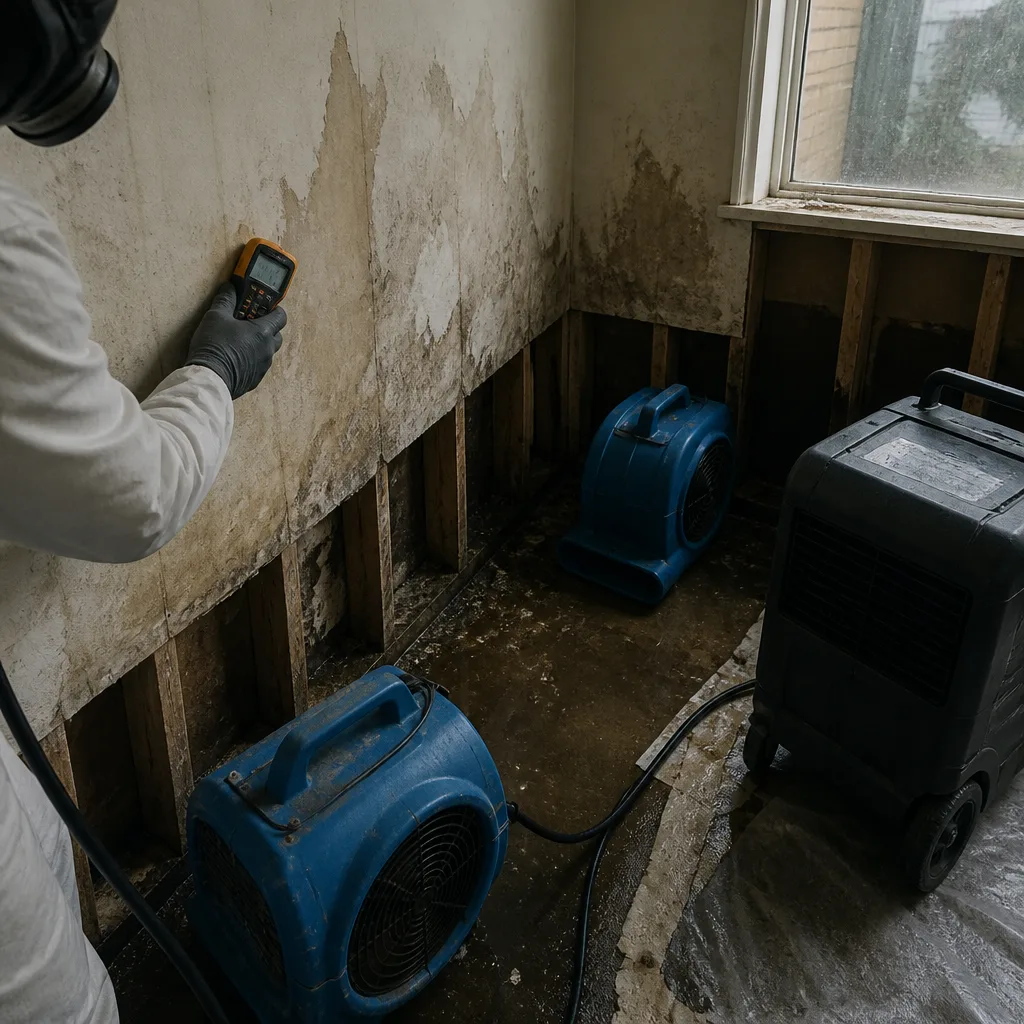 Before
 After
After