
Last updated October 16, 2026
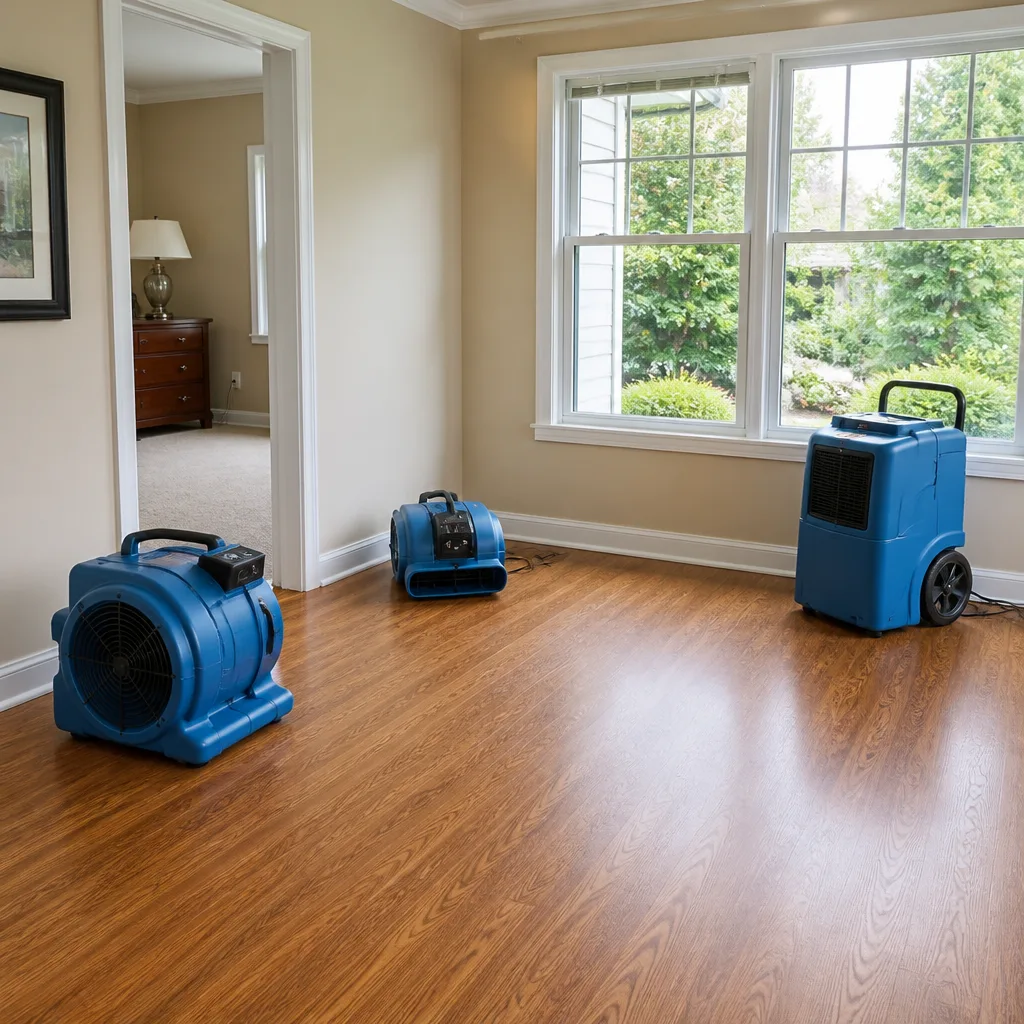 Water damage drying
 Fire & smoke cleanup
 Mold remediation
 Storm response
 Sewage cleanup
 Reconstruction
Free visual inspection and a written scope of work before any mitigation begins - photos, moisture readings, and drying logs go in your claim file
The scope we write is the scope we bill. Anything new gets shown to you, in writing, before we touch it.
Get your free estimateHow to Hire a Damage Restoration Contractor in Fort Worth: A Step-by-Step Guide
Texas has no state licensing requirement for water damage restoration contractors. Read that again. The person you hire on the worst day of your year may have started their company last month with a shop vac, a rental fan, and a Facebook ad. In Fort Worth, where spring hailstorms, flash flooding along the Trinity River, and aging slab foundations all collide, this absence of oversight isn’t theoretical. It’s why some homeowners end up with dried-in-place mold behind baseboards and a contractor who stopped answering their phone. This guide, along with our Complete Guide to Damage Restoration in Fort Worth, gives you a repeatable vetting process you can run in under 20 minutes while water is still standing on the floor.
Restoration work we handle
Quick Answer
Hiring a damage restoration contractor in Fort Worth starts with a 5-question phone screen: verify IICRC certification, confirm you’ll get a written estimate before work begins, ask how you’ll track the technician’s arrival, require disclosure of any subcontractors, and check whether they bill insurance carriers directly. Then verify their local presence, read the written scope of work line by line, and never sign an assignment-of-benefits form without understanding exactly what it gives away.
Table of Contents
- Why Texas Makes This Harder Than It Should Be
- The 5-Question Phone Screen: Run This in 5 Minutes
- Restoration Company vs. Remediation-Only Company: Know the Difference Before You Sign
- Storm-Chaser Patterns in Fort Worth’s Hail Corridor
- What a Legitimate Written Scope of Work Contains
- The Assignment-of-Benefits Trap: Don’t Sign It Blind
- The 20-Minute Hiring Process: Step by Step
- Common Mistakes to Avoid
- When to Call a Professional
- Frequently Asked Questions
- The Bottom Line
Why Texas Makes This Harder Than It Should Be
Most homeowners assume that anyone who shows up with a truck and a moisture meter must be licensed by someone. In Texas, that assumption is wrong. Water damage restoration contractors in Fort Worth are not required to hold a state-issued license. There’s no state board that reviews their training, no state exam they must pass, and no state agency that can pull their license for doing bad work. Plumbing and electrical work require licenses. Water extraction, structural drying, and mold remediation do not.
This creates a specific vulnerability. In an emergency, you don’t have time to run a background check. Water is spreading through your drywall, your floors are buckling, and every hour of delay adds cost. The urgent phone call you make is exactly the condition a bad contractor counts on. You’ll say yes to the first person who picks up because the water isn’t going to stop itself.
The industry does have a voluntary professional standard: IICRC certification. IICRC stands for the Institute of Inspection, Cleaning and Restoration Certification, and it’s the closest thing the restoration industry has to a professional credential. A company operating under IICRC standards has been trained in psychrometric drying (tracking the air’s moisture level so they know when your home is truly dry, not just surface-dry), antimicrobial treatment application, and structural drying protocols. RIA (Restoration Industry Association) and IFA (International Facility Management Association – Restoration Council) standards add additional requirements. At Wendell Restoration Fort Worth home, we were founded in 2006 and every job runs under IICRC, RIA, and IFA standards. But you should verify any company’s claim rather than take a logo on a website at face value. Ask for the certification number and check it against the IICRC’s public registry. It takes 90 seconds.
Fort Worth’s geography adds a second layer. The city sits in a hail corridor, with severe thunderstorms rolling through from March through June. That means restoration contractors here see a predictable surge every spring, and a certain kind of contractor follows the storms. More on that in the storm-chaser section below.
The 5-Question Phone Screen: Run This in 5 Minutes
Before you hang up with any restoration company, ask these five questions. A legitimate operator answers all five without hesitation. A company that hedges, stalls, or gets defensive on any of them is a red flag worth paying attention to.
- “Are you IICRC certified, and can I verify that on the registry?” The correct answer is “yes, here’s our certification number.” The wrong answer is “we’re certified trained” or “our techs have been doing this for years” or any variation that doesn’t include a verifiable credential. IICRC certification means the company’s technicians have passed a proctored exam on water damage restoration standards. It matters because drying a structure correctly requires knowing how moisture moves through building materials, how to size drying equipment to the size of the loss, and when a wall cavity needs to be opened versus when it can be saved. A shop vac and a box fan will dry the surface and leave the framing wet. You’ll know in three weeks when the musty smell arrives.
- “Will you put the price in writing before any work starts?” This is the single most predictive question. A restoration company that gives you a verbal estimate and says “the insurance company will figure it out” is a company that’s going to change the number later. Ask for a written scope of work with line-item pricing before you authorize anything. If they won’t put it on paper, hang up. At Wendell, the price goes in writing before any work starts, always. The number on the screen is the number you pay.
- “How will I know when your technician is arriving?” The right answer is a live arrival time you can track, not a four-hour window. The rideshare expectation has come to home services, and restoration companies that can’t give you a live ETA are operating on a dispatch model from the 1990s. You’ll be staring out the window waiting for a truck that may or may not show. Ask specifically: “Do you send a live tracking link?” If the answer is “we’ll call you when we’re on the way,” that’s better than nothing. But trackable arrival is the new standard, and good companies in Fort Worth already do it.
- “Do you use subcontractors, and will they be disclosed to me before work starts?” Many restoration companies sell the job and then hand it off to a subcontractor you never vetted. That subcontractor may not be IICRC certified, may not be background-checked, and may not care about the company’s reputation because their name isn’t on the invoice. A legitimate company either uses its own employees or discloses its subs before work starts. Background-checked, uniformed technicians should be the baseline. You should know exactly who is walking through your door before they arrive.
- “Do you bill insurance carriers directly, and do you document the loss the way adjusters expect?” If you’re filing an insurance claim, your contractor needs to document the loss in the language adjusters understand. That means XACTIMATE categories, photo documentation of every affected area, and moisture readings recorded at baseline and throughout the drying process. A contractor who doesn’t bill carriers directly means you’ll be managing the money flow between your insurer and the contractor yourself. That’s a full-time job you didn’t apply for. Direct insurance billing means the contractor coordinates with your adjuster, submits documentation directly, and keeps you informed without making you the middleman.
Run these five questions with three different companies. If a company passes all five, you’ve narrowed the field to legitimate operators. If none of the three passes all five, keep calling. In Fort Worth, you have options.
Restoration Company vs. Remediation-Only Company: Know the Difference Before You Sign
Here’s a distinction that costs Fort Worth homeowners thousands of dollars every year. There are two types of companies in the water damage world, and they do different jobs. Hiring the wrong type means signing two separate contracts, managing two timelines, and living in a construction zone twice as long.
Water damage restoration is the emergency response. The restoration company extracts the standing water, sets up the drying equipment, monitors moisture levels until the structure reaches drying goals, applies antimicrobial treatment where needed, and documents everything for your insurer. When the drying is done, the restoration is done. The scope is water removal, drying, and preventing secondary damage like mold. Water Damage Restoration in Fort Worth is the service you call first, the moment you discover the water.
Mold remediation is a separate discipline. If mold has already colonized, or if water sat long enough that mold is likely, the remediation company contains the affected area, removes contaminated materials, cleans the air, and verifies that spore counts have returned to normal levels. Mold Remediation in Fort Worth involves containment barriers, negative air pressure, HEPA filtration, and physical removal of contaminated drywall, insulation, and carpet. It’s a bigger job than drying, and it requires different equipment and different certification.
Then there’s the rebuild. After water damage or mold remediation, you’ll likely need repairs: new drywall, new flooring, new baseboards, maybe new cabinetry. That’s Water Damage Repair in Fort Worth, and it’s the final phase. Some companies do all three: restoration, remediation, and repair. Some do only one or two.
The trap is hiring a restoration-only company for a job that will eventually need mold remediation, then discovering in week two that the first company’s contract doesn’t cover mold, and now you’re negotiating with a second company while your kitchen is torn apart. Or hiring a remediation-only company for a flood, then realizing they don’t actually do the drywall and flooring work, so you’re waiting on a third company before you can move back in. Ask on the phone: “If mold is discovered during drying, does your contract cover remediation?” and “Do you handle the repair and rebuild, or do I need to hire someone else?” The answers should be explicit.
Storm-Chaser Patterns in Fort Worth’s Hail Corridor
Fort Worth sits directly in the hail corridor that runs through North Texas. Every spring, from about March through June, severe thunderstorms roll across Tarrant County. Hail the size of golf balls and larger is common. Roofs get torn up, windows break, and when hail damages a roof, water follows within weeks or months. Our Seasonal Damage Restoration Care for Fort Worth covers how to prepare for these cycles. That’s when the storm chasers arrive.
Storm chasers are out-of-state or out-of-market contractors who descend on a city after a major weather event, work a high volume of jobs fast, and then leave. In the restoration world, the pattern looks like this: a knock on your door within days of a big storm, an unsolicited pitch to “inspect” your roof or your home for hail damage, a hard push to sign something on the spot, and a crew that disappears from town when the work dries up. If a problem develops later, there’s no local office to call, and the phone number on the contract routes to a call center in another state.
Here’s how to verify a company has a real local presence in Fort Worth:
- Ask for a street address, not a PO box. Then look it up on Google Maps. Is there a physical location? A real building? Or is the address a UPS Store in a strip mall off I-35W?
- Ask how long they’ve been operating in Fort Worth specifically. A company that’s been in Tarrant County since 2006 has a local reputation to protect. A company that “just opened their Texas office” after the last storm has none.
- Check their local reviews. Not just the five-star reviews, but the one- and two-star reviews. Are the complaints local? Do they reference Fort Worth neighborhoods? Or do the reviews read like they were written by people in three different states?
- Ask who answers the phone. When you call at 2 a.m. with water spreading through your ceiling, does a live person answer? Water damage doesn’t keep business hours, and neither should your restoration company.
Door-to-door solicitation after a major hail event is legal, but it’s a pattern to be skeptical of. Legitimate Fort Worth restoration companies get their work from referrals, insurance adjusters, property managers, and repeat customers. They don’t need to knock on doors after a storm. A company that shows up uninvited within 48 hours of a hailstorm is working the storm, not your long-term interest.
What a Legitimate Written Scope of Work Contains
The written scope of work is the single most important document you’ll sign during the restoration process. It’s the contract that defines what work will be done, what it will cost, and what “done” means. A legitimate scope is specific. A vague scope is a blank check.
Here’s what a real written scope of work contains, line by line:
- Line-item pricing using XACTIMATE categories. XACTIMATE is the standard estimating software in the restoration and insurance industry. It breaks work into specific categories: extraction, demolition, drying equipment, antimicrobial application, dehumidification, and so on. Each line item has a unit count and a price. If the scope says “water damage repair: $6,500” with no breakdown, that’s not line-item pricing. That’s a round number, and round numbers in restoration scopes should make you nervous.
- Moisture readings at baseline. Before drying starts, the contractor should record moisture readings in every affected area and in unaffected areas for comparison. The baseline numbers are what the drying process is measured against. A contractor who doesn’t record baseline moisture readings has no way to prove the structure is dry at the end, and no defense if the insurance company questions the drying time.
- A projected drying timeline. Drying a structure takes days, not hours. A typical residential water loss in Fort Worth takes 3 to 5 days of equipment runtime, depending on the size of the loss, the materials affected, and the ambient conditions. A legitimate scope includes a projected dry-out timeline with checkpoints. That’s not a promise of an exact date, but it’s a target the contractor is accountable to.
- Equipment list and placement. The scope should list what equipment will be used: how many air movers, how many dehumidifiers, what class of dehumidifier. Professional-grade equipment from brands like Dri-Eaz, Phoenix, XPOWER, B-Air, and Injectidry is the standard. The same certifications and equipment brands used on large commercial loss sites should be what shows up at your house.
- A defined completion standard. How will you know the job is done? The completion standard should be explicit: moisture readings at or below the dry standard for the material, no visible mold, antimicrobial treatment applied per IICRC protocol, and a final walkthrough. “Done” should be measurable, not a feeling.
One more thing on the scope: the 365-Day Done Right Promise matters here. A written guarantee should be included with every repair. If it’s not done right, the company should make it right, and that promise should be in writing, not verbal. At Wendell, the Done Right Promise is stated in writing on every job, along with a free second visit if a repair fails. That’s what a guarantee looks like in practice.
The Assignment-of-Benefits Trap: Don’t Sign It Blind
Here’s the part of the hiring process that trips up even careful homeowners. It’s called an assignment of benefits, usually abbreviated AOB. It’s a legal document that can be buried in the stack of paperwork a contractor puts in front of you on day one, and signing it without understanding what it does can strip you of control over your own insurance claim.
An AOB transfers the rights to your insurance benefits from you to the contractor. In practice, it means the contractor files the claim with your insurance company, communicates with the adjuster directly, and receives the claim payment. You, the homeowner, are out of the loop. The contractor has the right to pursue the claim, negotiate the amount, and cash the check.
In theory, an AOB can be convenient. You don’t have to deal with the insurance company at all. In practice, it creates a specific risk: the contractor now has an incentive to maximize the claim, not to minimize your disruption. In some cases, AOBs have led to inflated claims, disputes between the contractor and the insurer, and the insurer denying the claim entirely because the contractor submitted work that wasn’t authorized. The homeowner is stuck in the middle, and because the AOB was signed, the homeowner has no standing to control the process.
The problem isn’t the AOB itself. It’s signing one without understanding it. Here’s what to do if a contractor puts an AOB in front of you:
- Read every word. If the document uses legal language you can’t parse, ask for an explanation in plain English. If the contractor can’t explain it, that’s a problem.
- Ask what alternative exists. Many legitimate contractors will work on a direct-to-homeowner billing model: they document the loss, you submit the claim, the insurer pays you, and you pay the contractor. It’s slower but keeps you in control.
- Ask what happens if the claim is denied. Under an AOB, who’s responsible for the unpaid balance? The answer should be in writing before you sign anything.
- Never sign an AOB under time pressure. If a contractor says you must sign the AOB before they’ll start mitigation, that’s a red flag. Mitigation is the emergency work. The paperwork can wait. A contractor who holds your emergency response hostage to a legal document is not acting in your interest.
In our experience, the homeowners who get burned by AOBs are the ones who signed them at 2 a.m. while water was soaking through the ceiling, because a contractor said it was required. It’s not required. You have options, and you have time to read what you’re signing.
The 20-Minute Hiring Process: Step by Step
Here’s the entire process, condensed into something you can run from your phone while the water is still spreading. Total time: about 20 minutes. If the situation is truly an emergency, you can run a compressed version in 10 by skipping steps 2 and 3 and coming back to them before you sign the scope.
- Call three companies. Start the clock. (5 minutes) Search “water damage restoration Fort Worth” and call the top three results, or call companies you’ve seen recommended locally. Ask each one the 5-question phone screen from above. A good company answers all five questions in under two minutes per call. A bad company stalls, and the stalling is the signal you need.
- Verify IICRC certification on the registry. (3 minutes) Take the certification number the company gave you and check it on the IICRC public registry. It’s a two-minute search. If the number isn’t there, or if the company gave you a name instead of a number, move on.
- Check local presence. (4 minutes) Look up the company’s address on Google Maps. Check how long they’ve been in Fort Worth. Read a few reviews, especially the negative ones. Look for signage in photos. A real local business has a physical footprint.
- Ask for a written scope of work before you authorize anything. (2 minutes) The scope should include line-item pricing, baseline moisture readings, drying timeline, equipment list, and a completion standard. If you don’t have it in writing before work starts, you don’t have a contract, you have a hope.
- Confirm who will be in your home. (2 minutes) Ask for the technician’s name before they arrive. Background-checked, uniformed technicians with a live arrival time you can track should be the standard. You should know who’s walking through your door before they do.
- Review any AOB before you sign it. (4 minutes) If the contractor uses an AOB, read it. Ask what alternatives exist. Understand who controls the claim and who’s responsible if it’s denied. Don’t sign under pressure.
- Make the call and start mitigation. (Under 1 minute) Once you’ve verified the company and reviewed the scope, authorize the work. The faster mitigation starts, the less damage you’ll have, and the lower your total cost will be.
That’s the whole process. It’s not complicated, and it doesn’t require any special knowledge. It requires asking the right questions and not being rushed into signing something you haven’t read. The water is already there. Twenty minutes of vetting won’t make the damage meaningfully worse, but skipping the vetting can.
Common Mistakes to Avoid
- Hiring the first company that answers the phone without asking any questions. The company with the fastest response time is not necessarily the best company. It may be the company with no other work because nobody with good referrals will hire them. Run the 5-question screen even in an emergency.
- Accepting a verbal estimate. A contractor who says “it’ll be around $4,000 or so” but won’t put it in writing is a contractor who’s planning to charge you more at the end. The price should be in writing before work starts, always.
- Signing an AOB without reading it. An assignment of benefits can transfer control of your entire insurance claim to a company you’ve known for four hours. Read it, ask questions, understand the alternative.
- Hiring a restoration-only company for a mold job or a remediation-only company for a flood. Know what type of company you’re hiring and what their contract actually covers. Ask explicitly: “If mold is discovered, does this contract cover remediation?”
- Falling for the door knock after a Fort Worth hailstorm. Legitimate local companies don’t solicit door-to-door after storms. A company that shows up uninvited within 48 hours of hail is working the storm, not your neighborhood.
- Assuming someone else licensed the contractor. Texas has no state licensing requirement for water damage restoration. The only thing standing between you and a bad contractor is the vetting you do yourself.
- Not asking about the completion standard. How will you know the job is done? If the contractor can’t define “done” in measurable terms, you’ll be arguing about it later. Moisture readings, visible mold checks, antimicrobial treatment confirmation. Get it in writing.
When to Call a Professional
Call a professional the moment you discover water damage that extends beyond what you can wipe up with towels. That includes water from a burst pipe, a leaking water heater, a roof leak, an overflowing appliance, or storm water that entered your home. The rule is simple: if the water has soaked into drywall, flooring, or framing, the clock is running. Mold colonization can begin within 24 to 48 hours. DIY drying with fans and open windows doesn’t address moisture trapped inside wall cavities, and that trapped moisture is where the real problems start. If you smell mustiness, see visible mold, or have water damage from a sewage backup, don’t attempt to handle it yourself. Wendell Restoration Fort Worth offers free estimates in Fort Worth, call (682) 432-0584.
Frequently Asked Questions
Water damage restoration in Fort Worth typically costs between $1,200 and $7,500 depending on the size of the affected area, the water category (clean, gray, or black), and how long the water has been sitting. A small clean-water leak from a supply line in a single room may run $1,200 to $3,000. A multi-room flood with contaminated water and affected drywall can run $5,000 to $15,000 or more. The only way to get an accurate price is a written scope of work with line-item pricing. Call (682) 432-0584 for an exact quote, estimates are free.
For water that soaked into building materials, you really need a professional. Fans and open windows dry the surface, but water trapped inside wall cavities, under flooring, and in framing will continue to damage the structure and fuel mold growth. Professional drying uses psychrometric drying principles: measuring the air’s moisture level so the tech knows when your home is truly dry, not just surface-dry. In Fort Worth’s humid climate, especially from May through September, ambient air alone won’t reach the dryness needed for structural drying. Our Water Damage Restoration Maintenance Checklist for Fort Worth Homeowners can help you stay ahead of these conditions.
In most cases yes, if the damage was sudden and accidental. A burst pipe, a failed water heater, or storm water entering the home are typically covered perils. Gradual leaks that happened over months are usually not covered, because insurers classify that as maintenance, not sudden loss. The best move is to document everything, call your insurer immediately, and work with a restoration company that bills carriers directly and documents the loss the way adjusters expect.
A good restoration company in Fort Worth should be able to get a technician to your door within a few hours of your call, often faster. The key is calling a company that has live-answer dispatch and real local coverage, not a call center that routes to an out-of-state office. Water damage doesn’t keep business hours, and your restoration company shouldn’t either. Call (682) 432-0584 and a live person will answer.
Water damage restoration is the emergency response: extract the water, dry the structure, prevent secondary damage. Mold remediation is the removal of mold growth that has already occurred, typically through containment and physical removal of contaminated materials. A restoration job may not require remediation if drying starts quickly. A mold job always requires specialized containment and HEPA filtration. Mold Remediation in Fort Worth is a separate service with separate protocols. Ask any contractor you’re considering whether their contract covers both.
Usually not, but it depends on the scope. For a typical clean-water loss in one or two rooms, you can usually stay in the home while drying equipment runs. For a sewage backup, extensive mold remediation, or flood damage affecting most of the home, you may need temporary housing until containment is removed and the structure passes clearance testing. Your insurance policy may cover additional living expenses in those cases. The written scope of work should tell you whether the home will be habitable during the project.
The Bottom Line
Texas won’t protect you from a bad restoration contractor. You have to do that work yourself, and you have to do it fast. That means running the 5-question phone screen, verifying IICRC certification, checking for a real Fort Worth presence, getting a written scope of work before anything starts, and reading any assignment-of-benefits form before you sign it. It takes about 20 minutes. Those 20 minutes are the difference between a company that dries your home to a measurable standard and a company that leaves moisture in your walls and disappears. In Fort Worth, you have access to legitimate, professional water damage restoration. You just have to know how to tell the real ones from the storm chasers. For more guides & resources, visit our blog.
Written by Blake Sorensen, Owner at Wendell Restoration Fort Worth, serving Fort Worth since 2006.
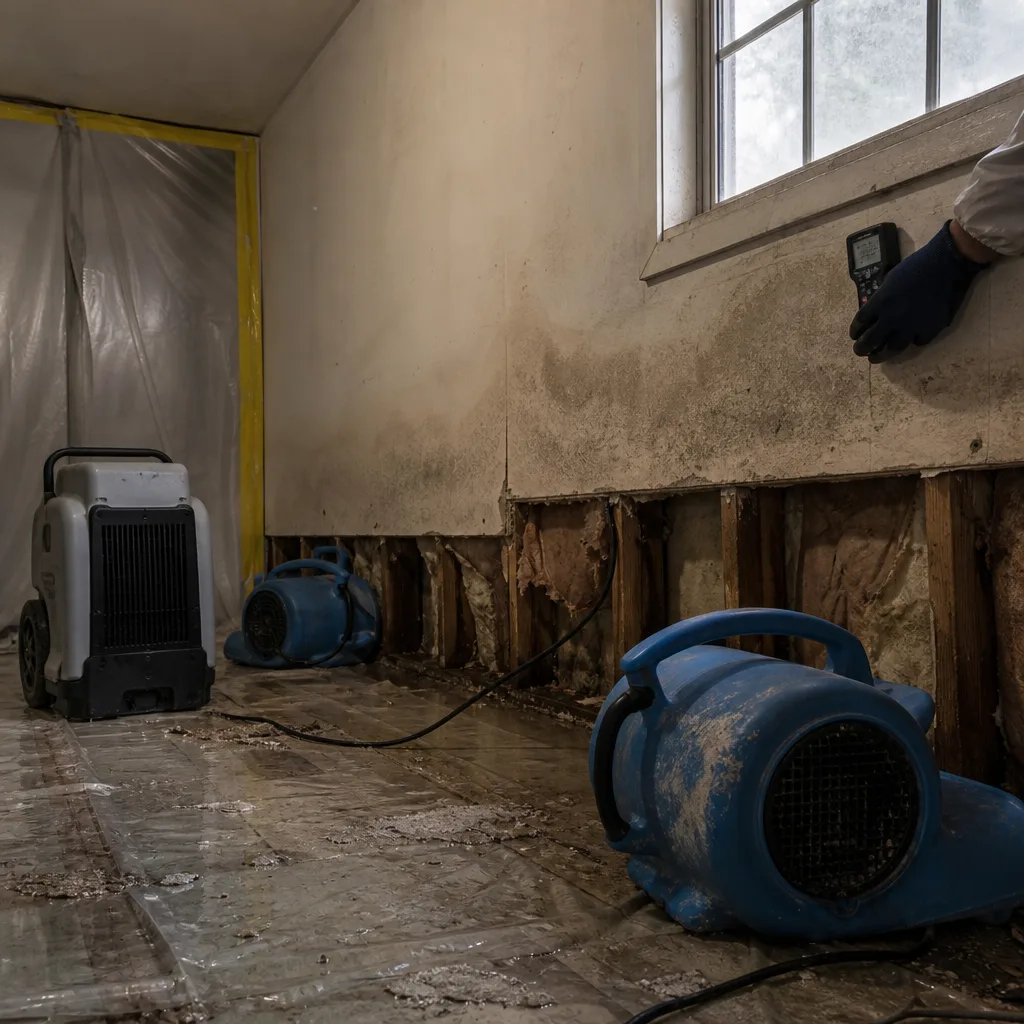
See the difference
 Before
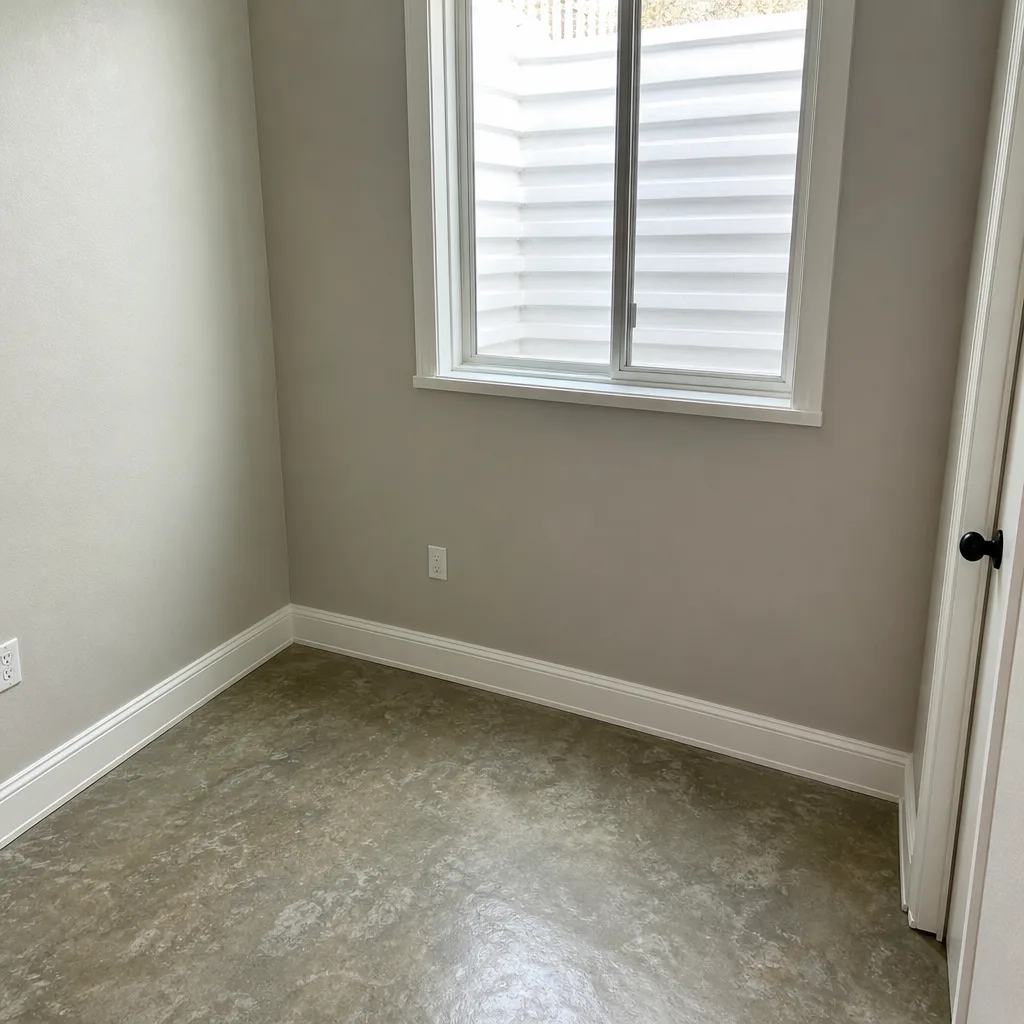 After
After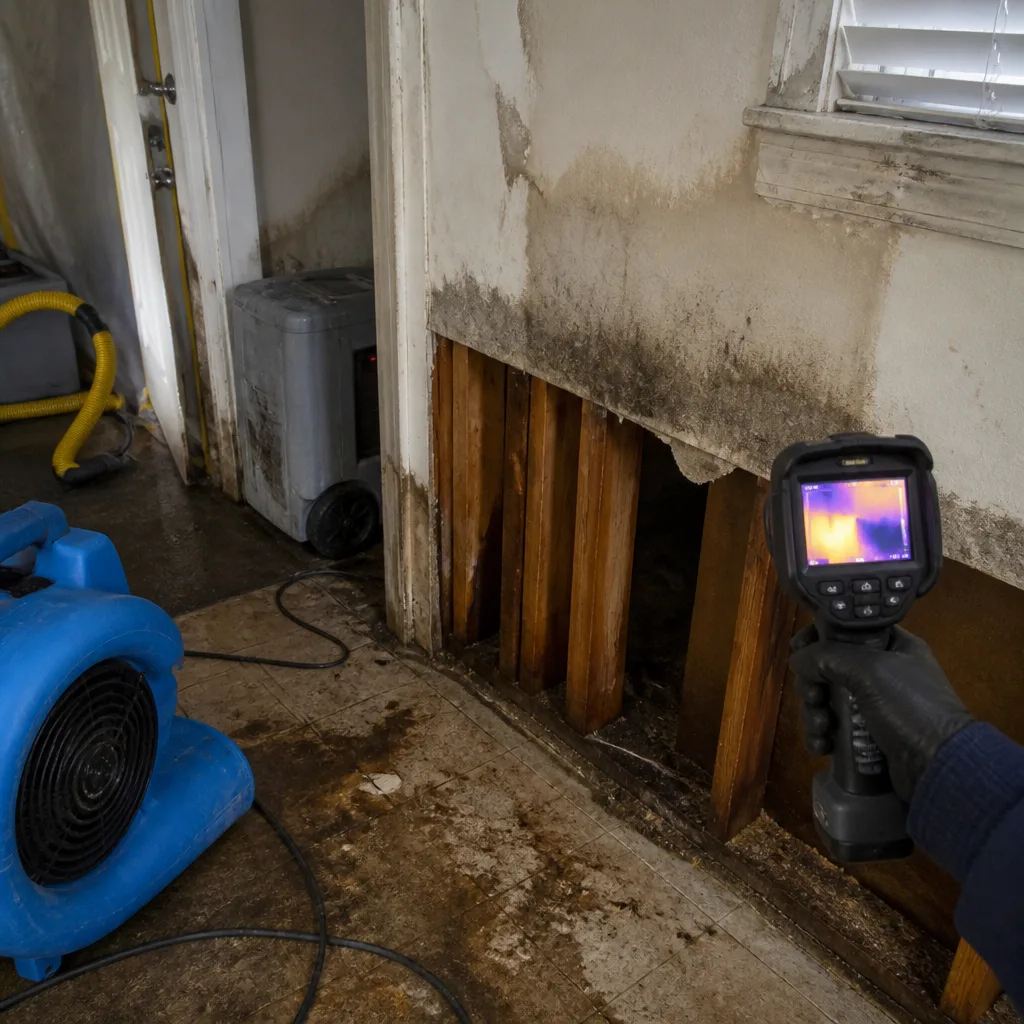 Before
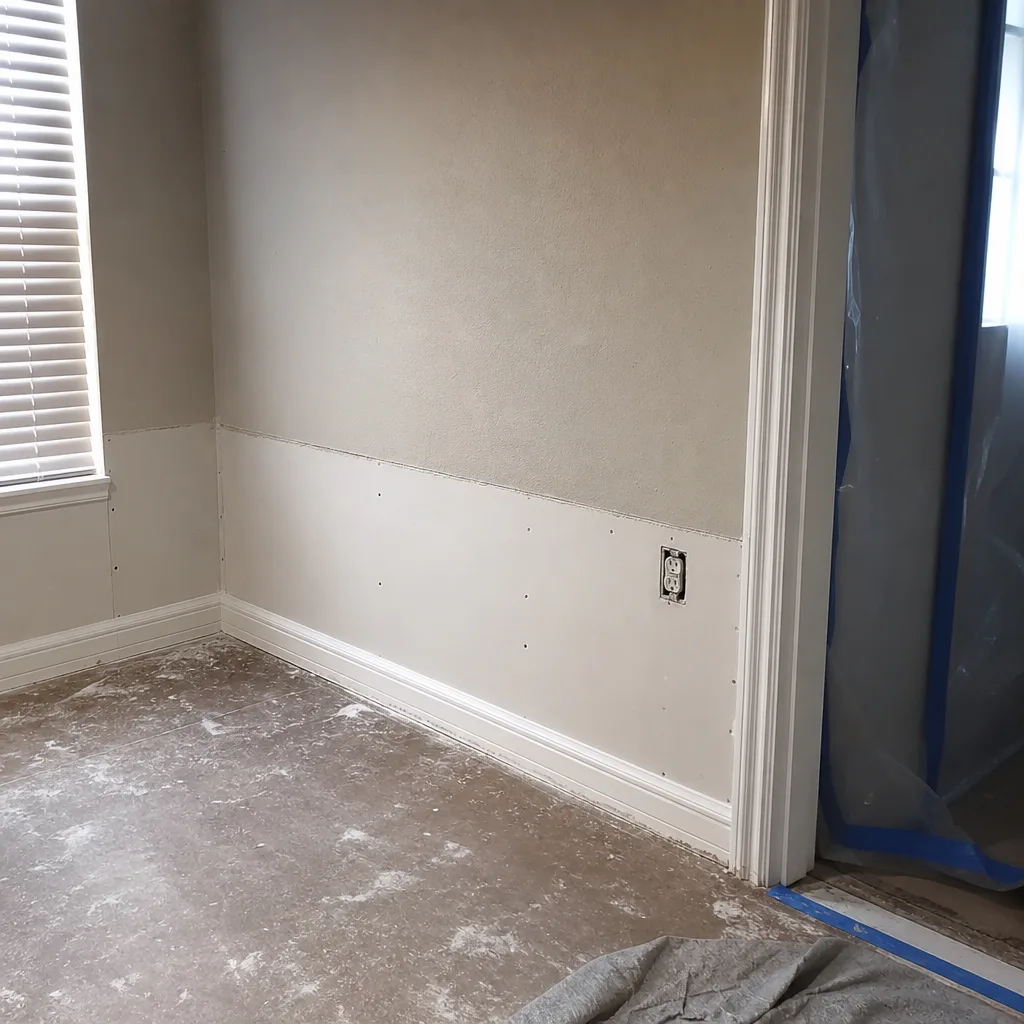 After
After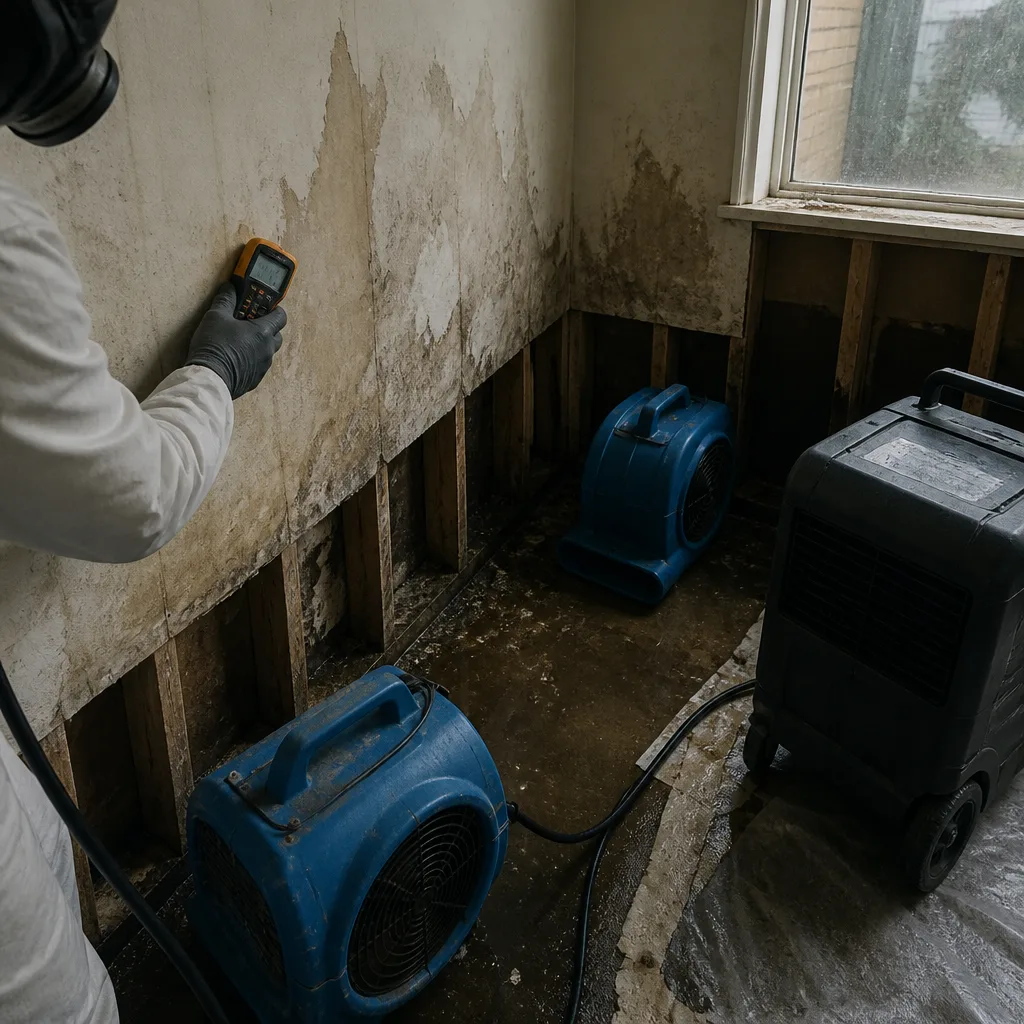 Before
 After
After