
 Water damage drying
 Fire & smoke cleanup
 Mold remediation
 Storm response
 Sewage cleanup
 Reconstruction
Free visual inspection and a written scope of work before any mitigation begins - photos, moisture readings, and drying logs go in your claim file
The scope we write is the scope we bill. Anything new gets shown to you, in writing, before we touch it.
Get your free estimateFast, Reliable Water Damage Repair Across Richland Hills
Water damage repair in Richland Hills usually costs between $1,200 and $4,500 for a typical slab leak or ceiling collapse, and our crew can be at your door within 60 to 90 minutes of your call. That’s the answer most homeowners need before they do anything else. Richland Hills has a particular way of hiding water damage, mostly because of the mid-century slab-on-grade homes and clay-heavy soil that shifts and cracks pipes under the foundation. When water starts moving sideways through the floor instead of down into a basement, you need a local team that knows exactly where to look. Call (682) 432-0584 and you’ll talk to a live person who can tell you what to do in the next ten minutes, whether that’s shut off the water, kill the breaker, or move the furniture.
Why Wendell Restoration Fort Worth Is Richland Hills’s Preferred Water Damage Repair Company
Richland Hills homeowners call us because we pick up the phone. Not a callback queue, not a voicemail, not a phone tree. A person in our Dallas-Fort Worth office answers 24/7 and gets a crew rolling toward your street. We know the difference between a water damage repair job off Baker Boulevard and one off Glenview Drive, and our technicians arrive in uniform with a live arrival time you can track on your phone, the same way you’d track a rideshare.
Blake Sorensen runs our operation and he’s built our reputation on one rule that most restoration companies won’t commit to: the price goes in writing before any work starts. Not an estimate after the tools are out. Not a surprise line item at the end. You get a written scope, a written price, and a digital invoice texted to your phone. The number on the screen is the number you pay. That’s the way we’ve done it since 2006, and it’s why Richland Hills homeowners stick with us for the messy jobs.
Restoration work we handle
Water Damage Inspection in Richland Hills
Water Damage Inspection in Richland Hills starts with moisture mapping, not just a visual walkthrough. In a city where slab leaks and aging cast iron lines send water sideways under flooring, the visible wet spot is almost never the full extent of the damage. We use thermal imaging and penetrating moisture meters to find what’s hiding under tile, behind baseboards, and inside wall cavities before we recommend any repair.
What we check on every inspection
Our inspectors run a full psychrometric evaluation, meaning we measure temperature, relative humidity, and dew point in every affected room and the air itself. Then we set up a drying plan with target moisture readings, not guesses. A Richland Hills inspection typically runs $199 to $450, and that fee is credited toward repair work if you hire us.
When you need one now
If you can smell mustiness but can’t see a stain, or if your water bill spiked last month, or if the hallway floor feels warmer than the rest of the house, book an inspection. We’ll trace the source, not just dry the symptom. In Richland Hills, that usually means checking the original cast iron drain lines under the slab before we look anywhere else.
Water Damage Ceiling in Richland Hills
Water Damage Ceiling in Richland Hills is usually the first visible sign of a roof issue, an AC condensate overflow, or a slow plumbing leak in an upstairs bath. In the 1950s and 60s ranches common here, original single-pane windows and limited attic ventilation make ceiling moisture worse because the hot, humid attic air never fully vents out. Ceiling repairs in Richland Hills typically range from $800 to $2,800 depending on whether we’re replacing drywall, insulation, or structural framing.
Signs your ceiling needs repair
A yellow or brown ring, sagging drywall, peeling paint, or a musty odor from the attic all point to trapped water. If you see any of these, get it checked before it spreads to the adjacent wall or drops onto your furniture. We cut out the affected drywall, remove any wet insulation, treat the framing with antimicrobial solution, and dry the cavity to pre-loss moisture readings before we close it back up.
The slab versus the attic
Here’s what most homeowners don’t realize: a ceiling stain in a Richland Hills ranch might actually be a slab leak. Water wicks up through the wall framing and shows up where you least expect it. Our techs always check the plumbing rough-in and the original cast iron through the wall before assuming it’s a roof problem.
Trusted Brands We Service in Richland Hills
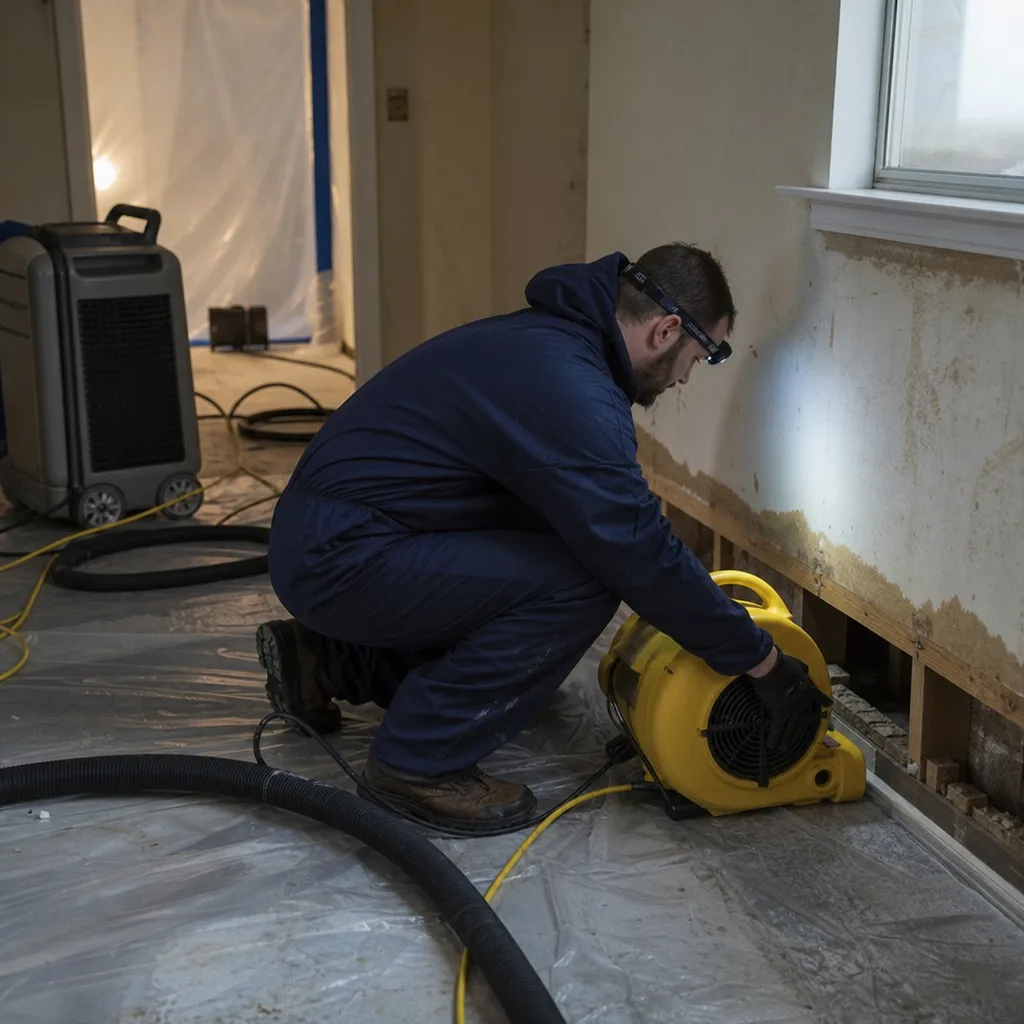
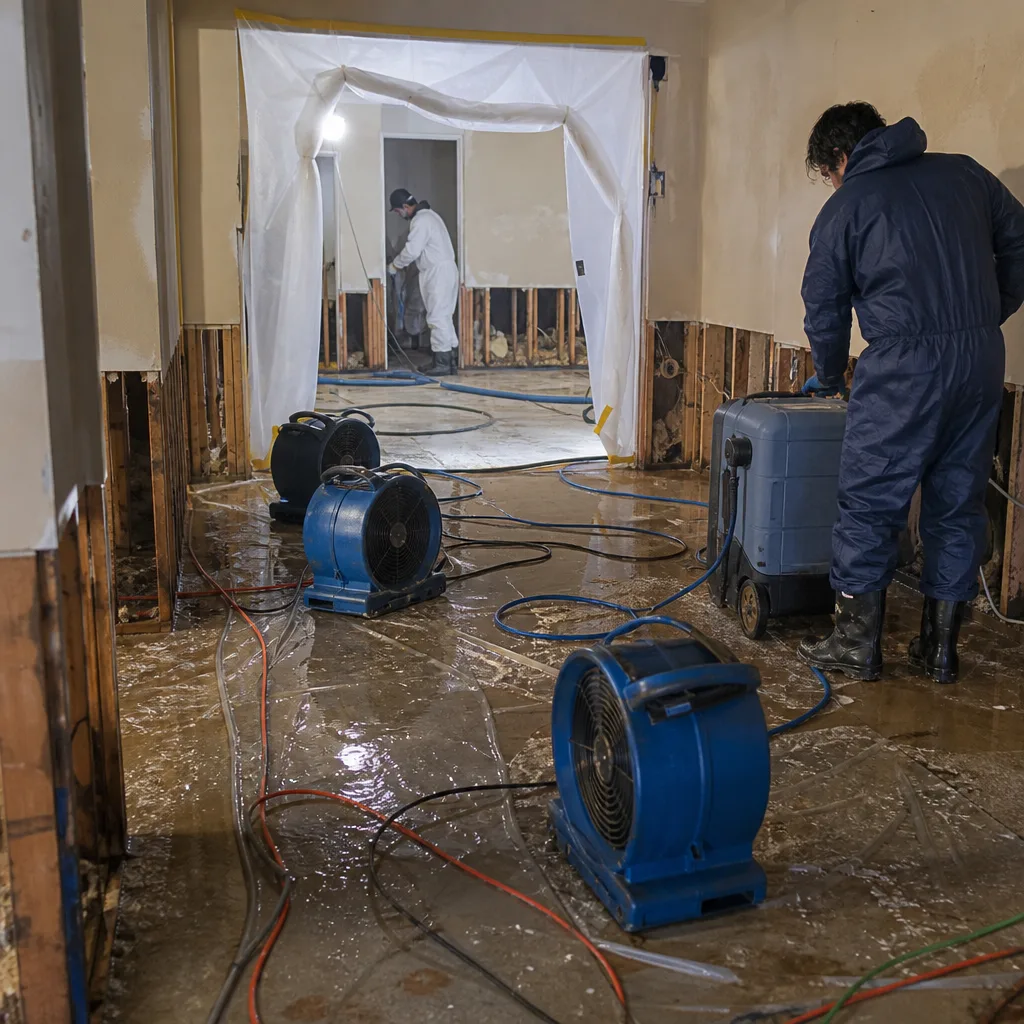
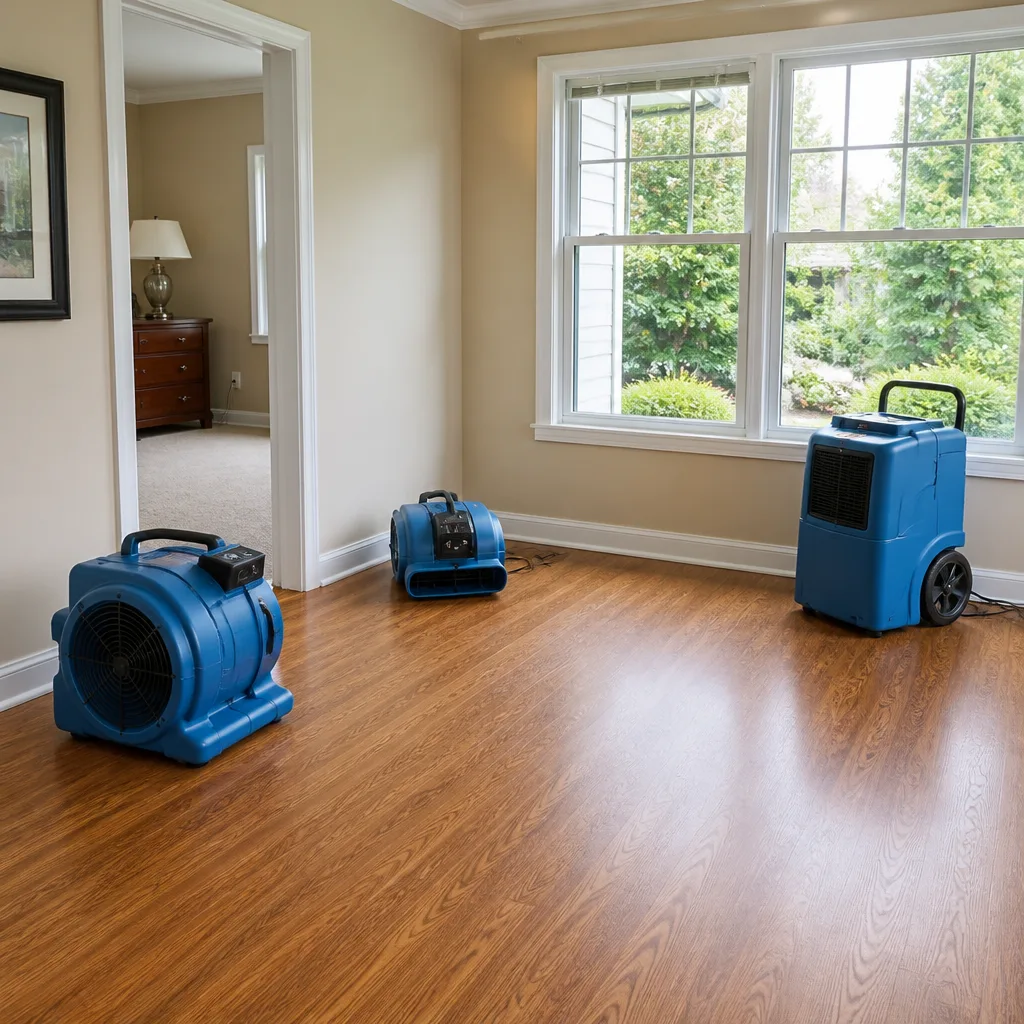
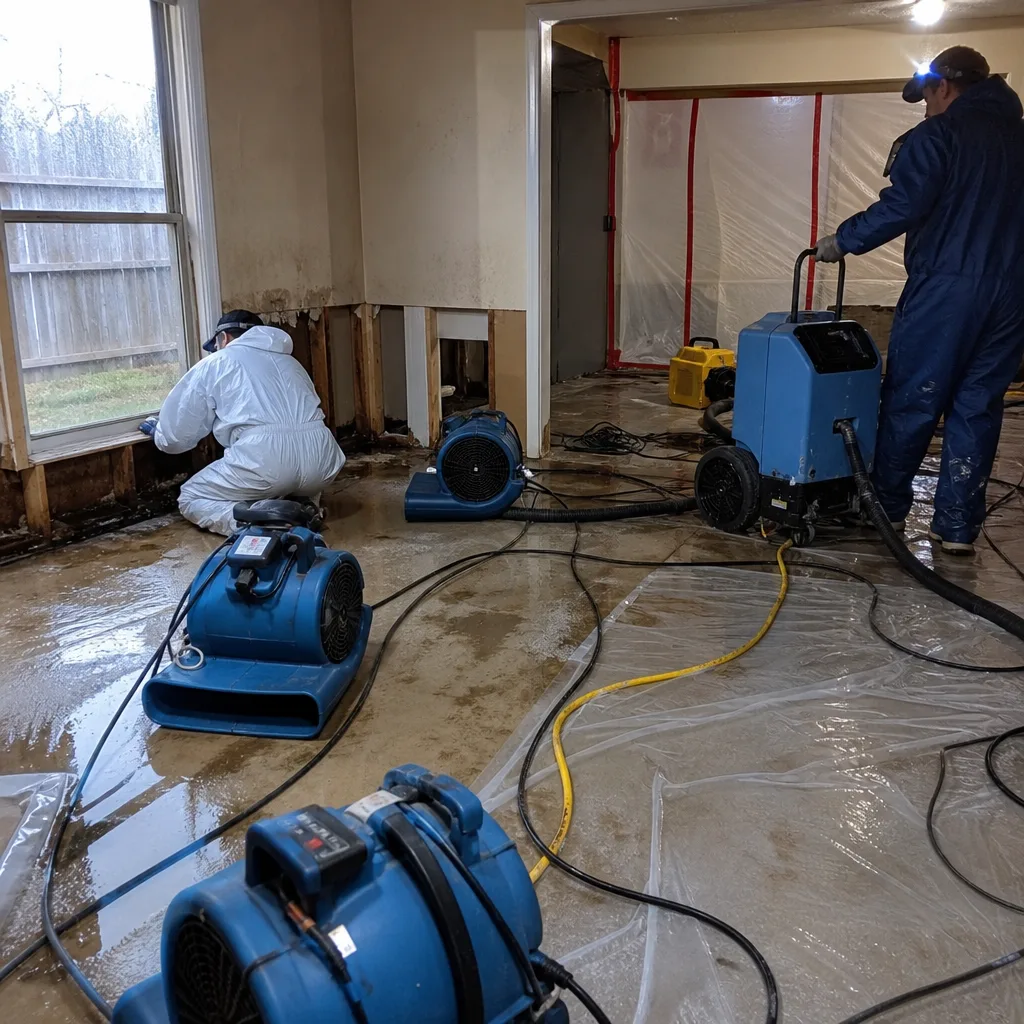
We run professional-grade drying equipment from Dri-Eaz, Phoenix, and XPOWER, the same brands used on large commercial loss sites. Richland Hills homes with long service drives and detached workshops need heavy-duty air movers, not the residential-grade units that sit in a rented van and barely move air. When you hire us for Water Damage Repair, you don’t get a one-size-fits-all equipment setup. We spec the job based on how many rooms are affected, how far the water wicked under the slab, and what type of flooring you have. All work follows IICRC standards, and we track moisture levels daily until the structure is truly dry, not just surface-dry to the touch.
See the difference
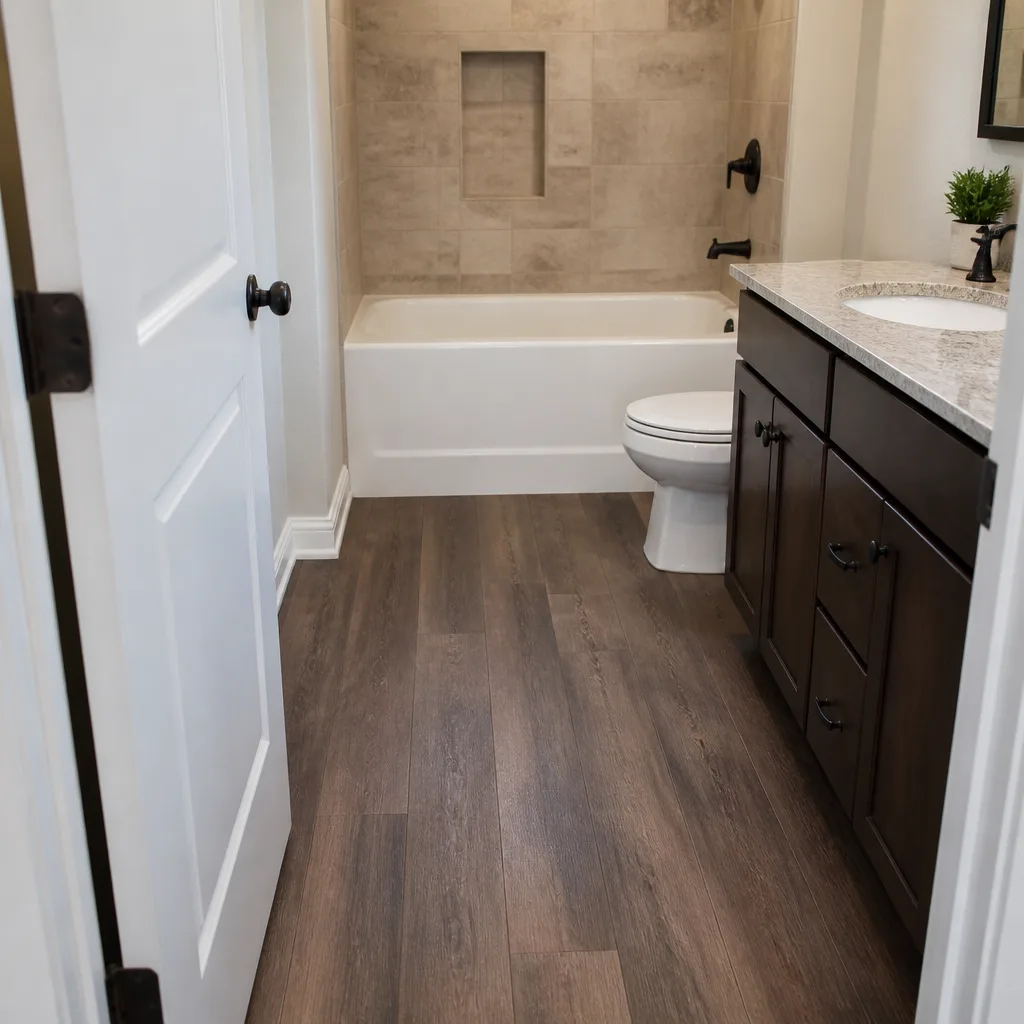
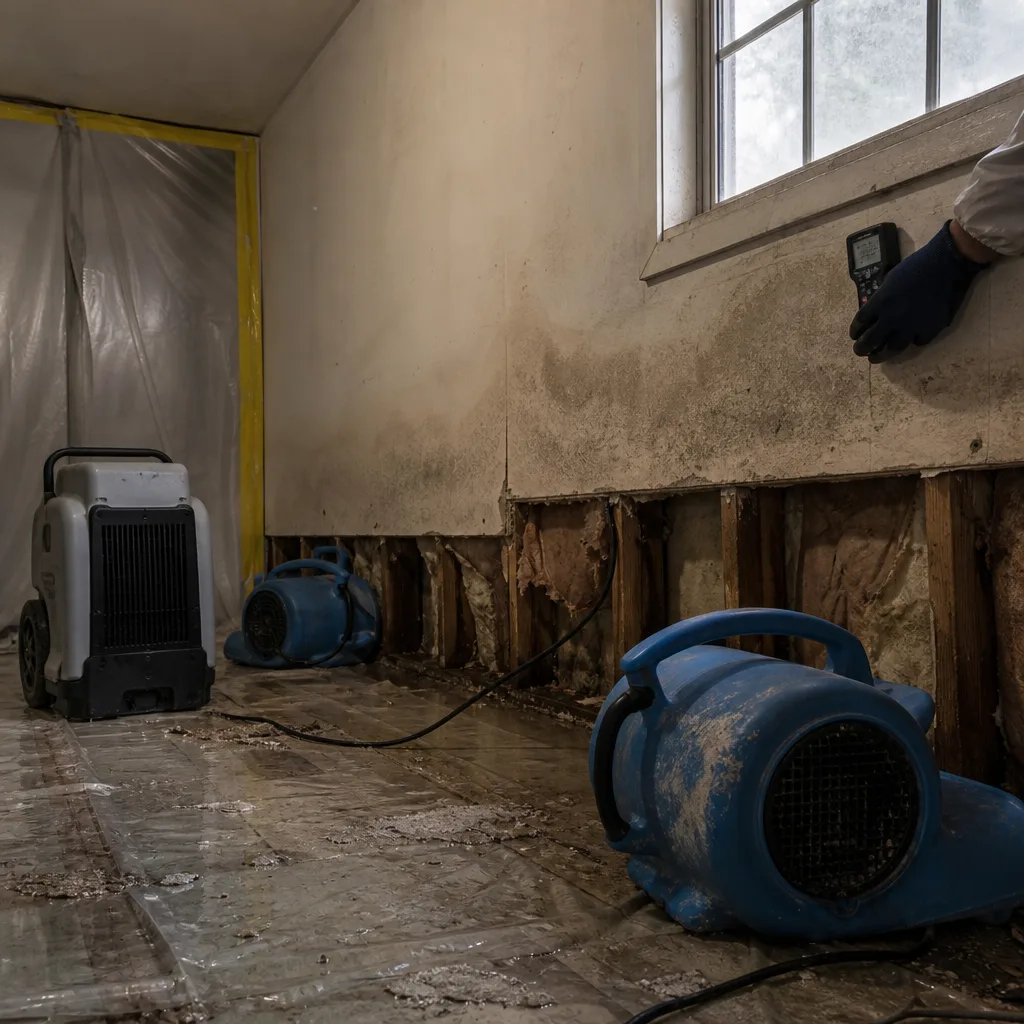 Before
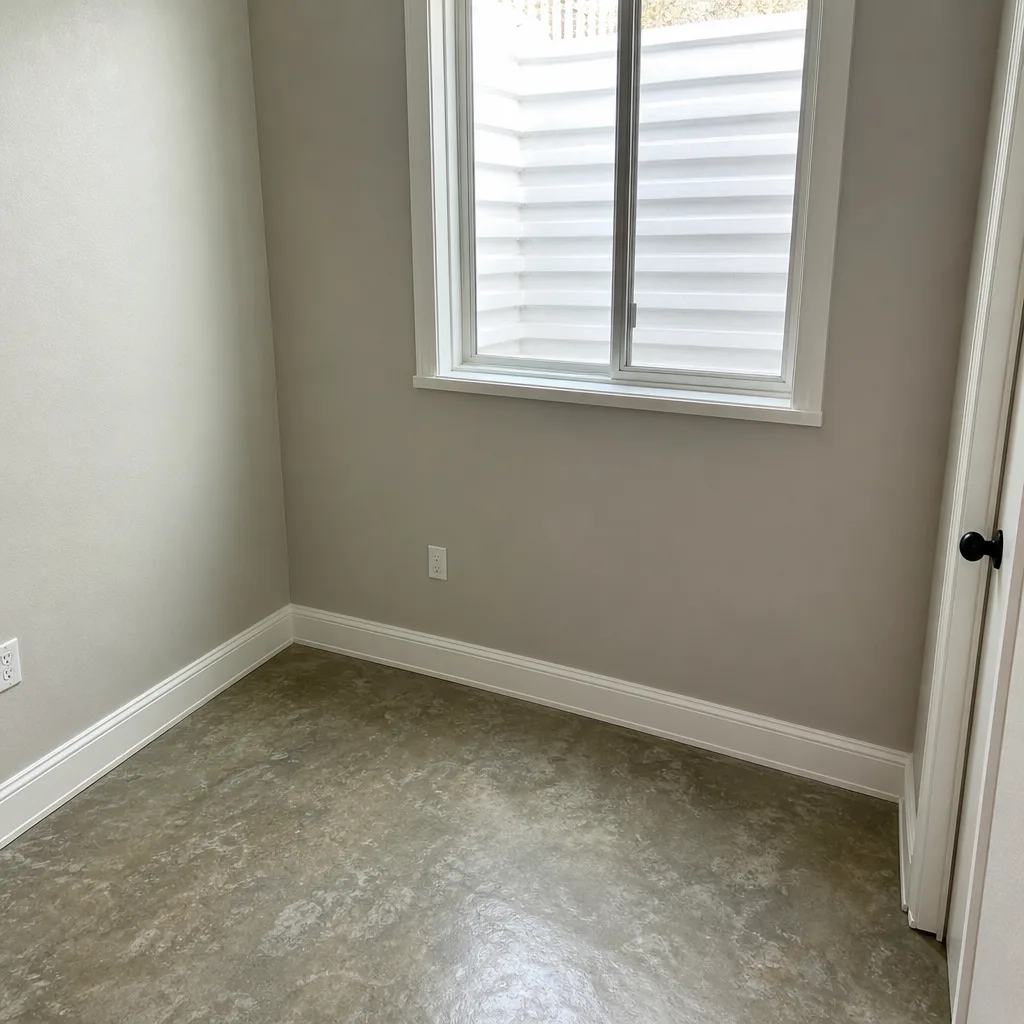 After
After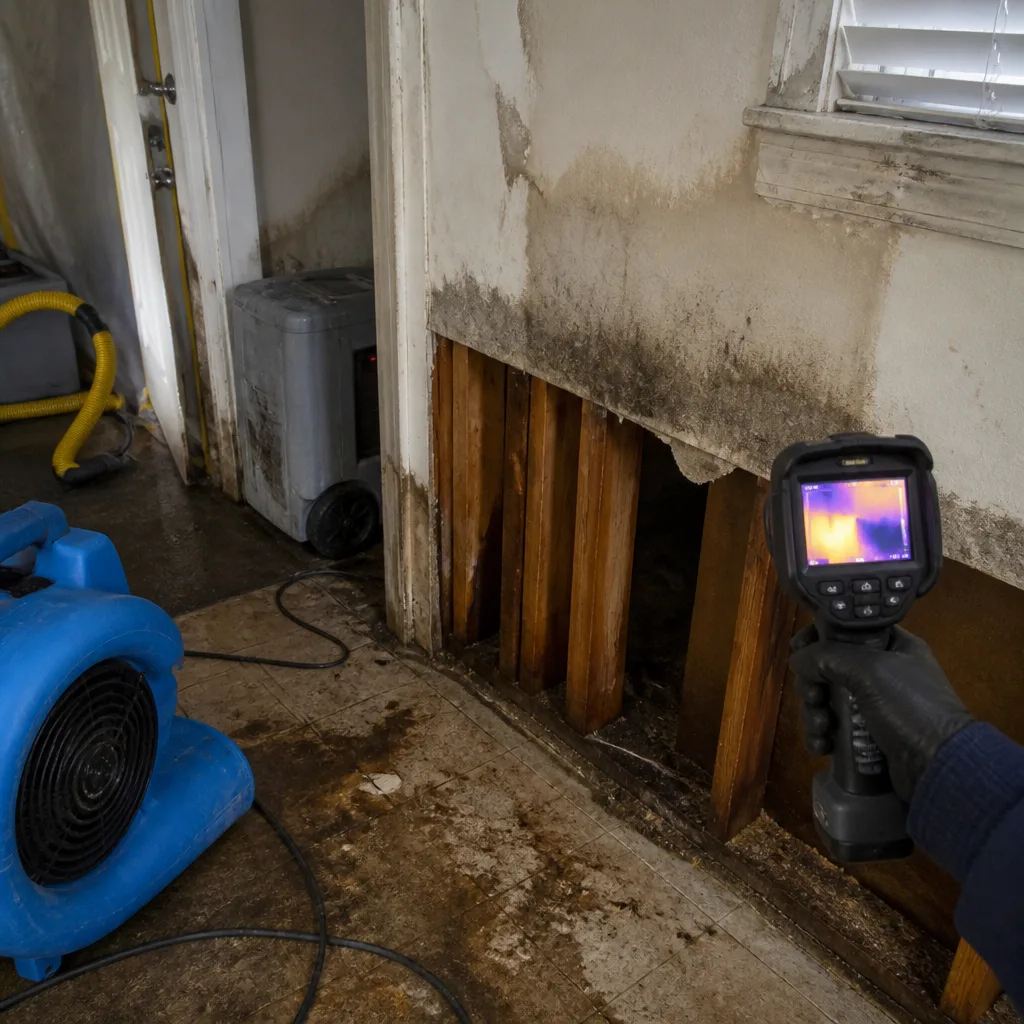 Before
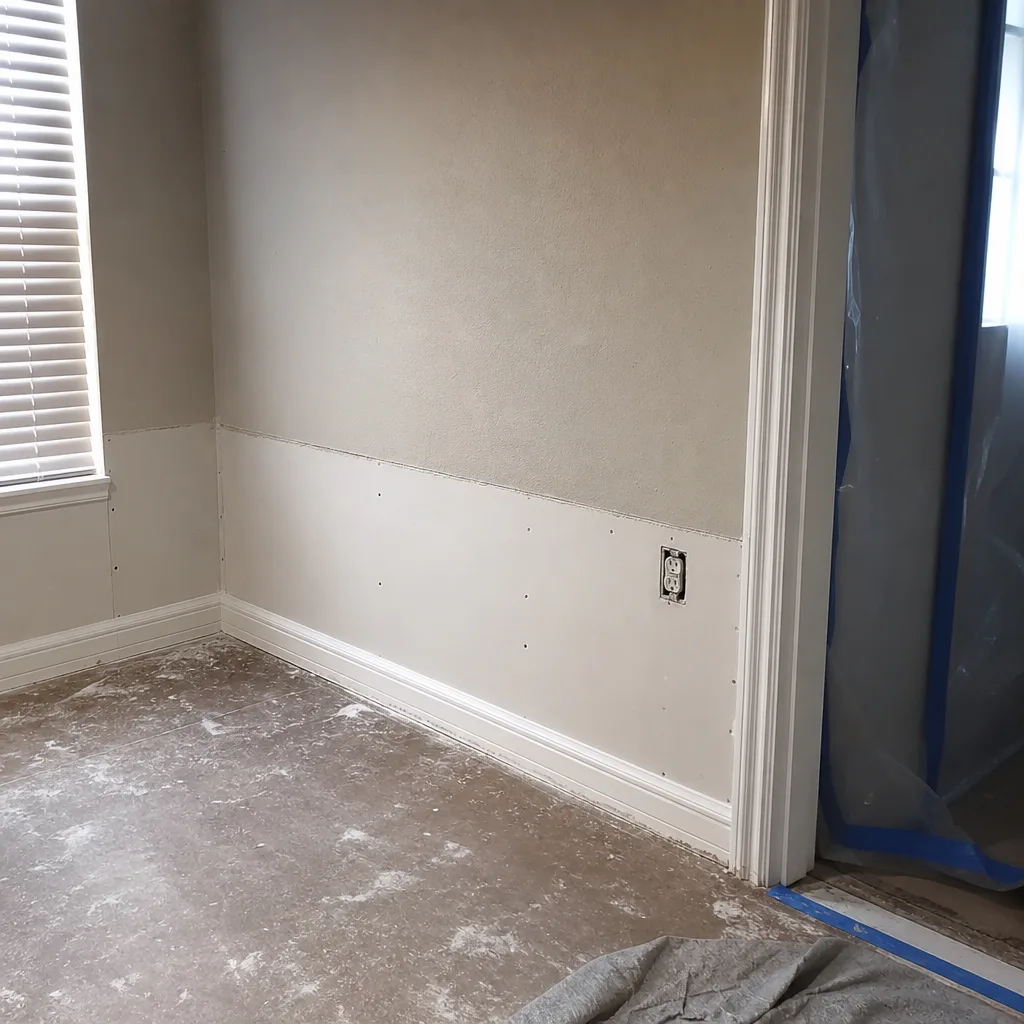 After
After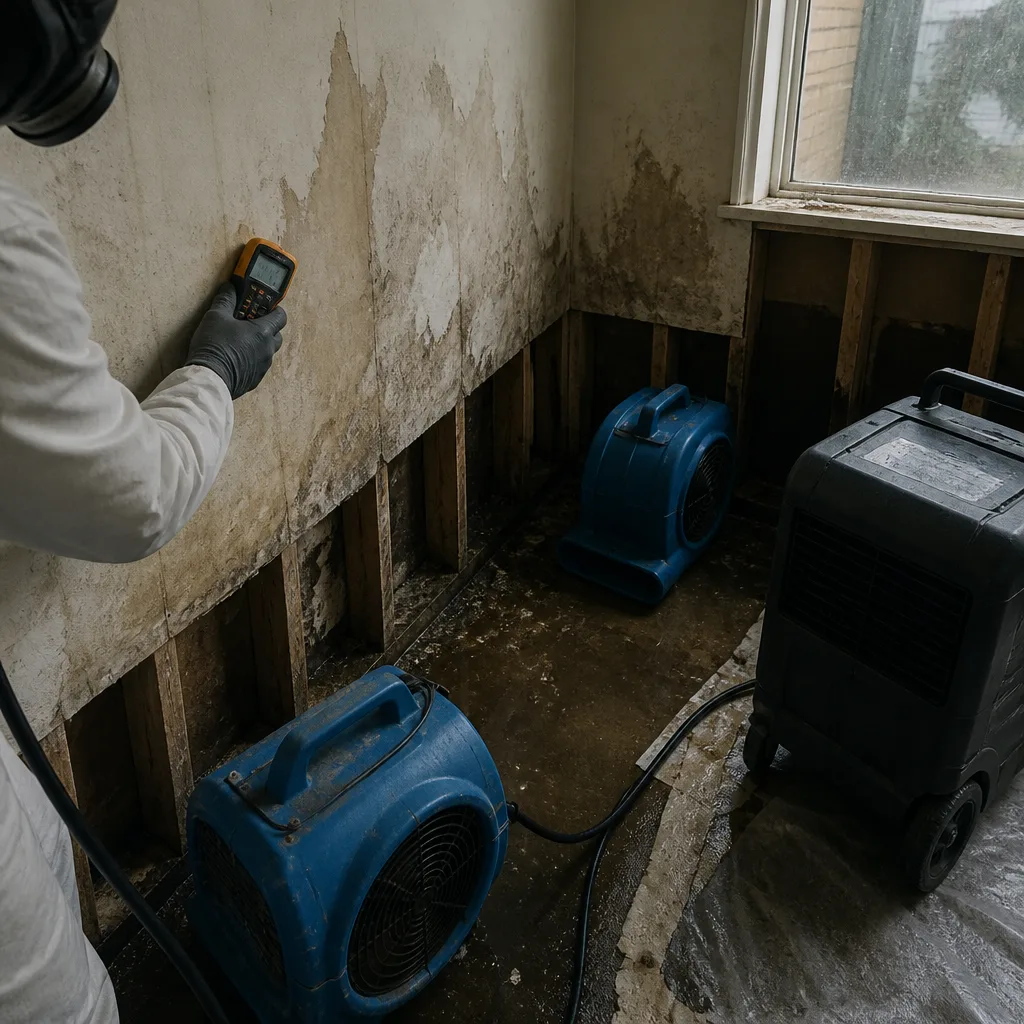 Before
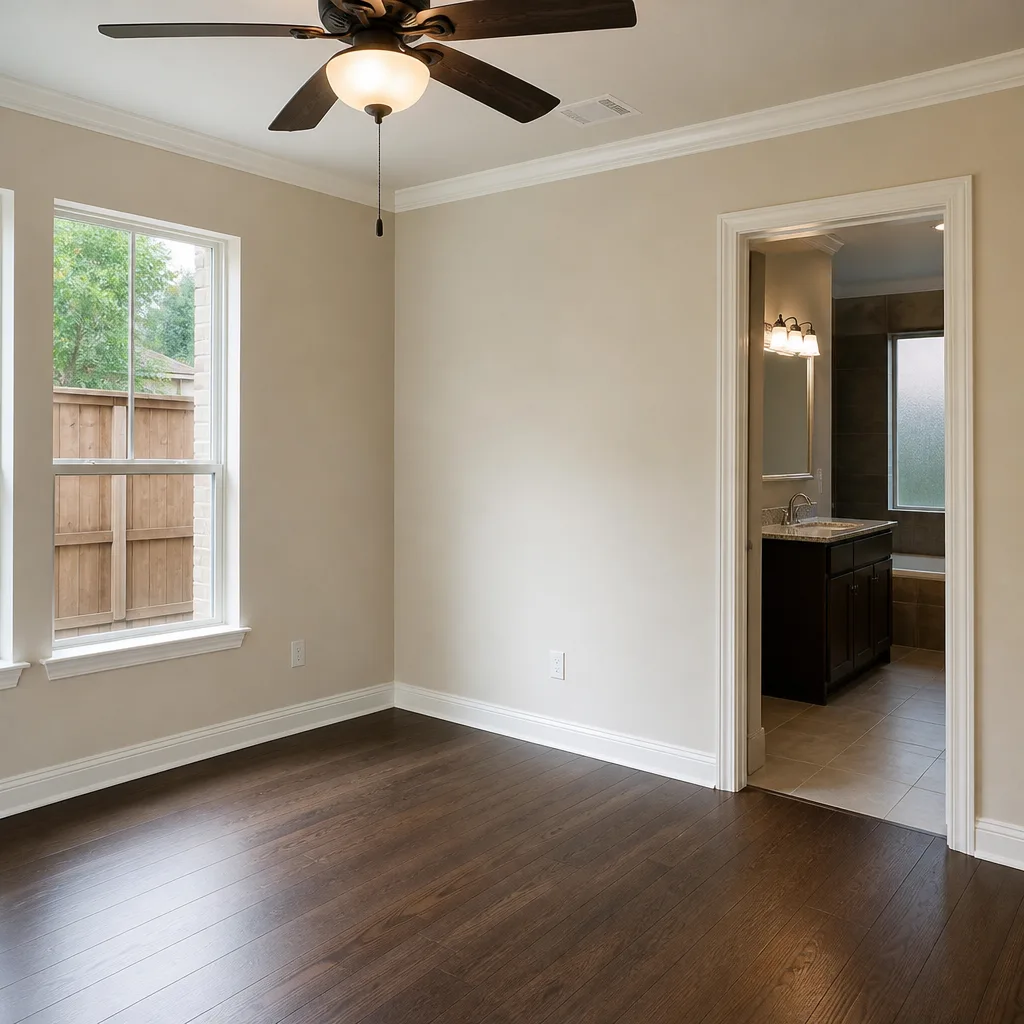 After
AfterCommon Water Damage Repair Problems We See in Richland Hills Homes
- Cast iron drain lines cracking under slabs. The original plumbing in homes east of Rufe Snow Drive is 60 to 70 years old, and the shifting clay soil finally gets to it. What looks like storm flooding is often a sewage backup that needs Category 3 protocol.
- Sideways water migration through floor coverings. On a slab foundation, water doesn’t drain down. It travels horizontally under hardwood, tile, and laminate into rooms that look dry. By the time you see it in the hallway, it’s already under the bedroom tack strips.
- Rusting galvanized supply lines in walls. These older ranches often have original galvanized pipe behind plaster or paneling. A pinhole leak inside a wall can soak insulation for weeks before you notice a soft spot.
- HVAC condensate lines backing up. With limited attic ventilation and extreme summer humidity, the drip pan overflows and water seeps through the ceiling. It’s a slow but steady source of hidden damage that warps hardwood below.
Pricing for Water Damage Repair in Richland Hills, TX
We Also Serve Cities Near Richland Hills
We handle water damage repair across the northeast Tarrant County area. If your home is in Fort Worth, Haltom City, Benbrook, or Hurst, our crews cover those city limits too. See our Water Damage Repair in Richland Hills page for the local specifics, or call us and we’ll send a technician your way.
Serving Richland Hills, TX - Our Local Coverage Area
We offer Mold Remediation in Richland Hills and know this community well. Use the map below to see our service coverage - if you’re nearby, we can almost certainly help.
FAQs About Water Damage Repair in Richland Hills
Why does Richland Hills water damage often show up in the hallway floor rather than the ceiling?
Because homes here sit on slab foundations, not basements or crawl spaces, so water from a cracked cast iron line under the concrete has nowhere to go but sideways. It follows the path of least resistance under the flooring, often pooling in the hallway because that’s the natural low point of the slab. The water travels under the oak or tile until it saturates the tack strips and shows up as a dark stain. By the time you see it, the damage underneath is usually bigger than the visible spot. Call (682) 432-0584 and we’ll trace the actual source before recommending any repair.
How do you tell the difference between storm flooding and a cracked cast iron sewer line in an older Richland Hills home?
The tell is the smell and the timing. Storm flooding is usually clean water that arrives during or right after heavy rain and dries fairly quickly. A cracked cast iron sewer line leaks Category 3 water continuously, and it has that sewage odor even when the weather is dry. We test the water, check the moisture readings, and inspect the drainage lines with a camera. If it’s sewage, we set up full containment, use negative air pressure, and follow IICRC Category 3 sanitizing protocol. This is not a DIY cleanup, and you don’t want a general handyman handling sewage in a house with original plaster walls. Our team handles Water Damage Repair and remediation for these exact scenarios every month in Richland Hills.
Can water damage on a Richland Hills slab foundation affect rooms that look dry?
Yes, and this is the single biggest miss in Richland Hills homes. Water on a slab moves laterally under the flooring, wicking into adhesive, tack strips, and the underside of laminate or hardwood. A leak in the hallway can migrate 10 to 15 feet into an adjacent bedroom without ever showing a visible stain on the tile there. We use penetrating moisture meters and thermal imaging to map the full extent of the damage before we start. If you only dry the visible wet spot, you’ll have mold behind the baseboards within weeks.
What does a one-trip water damage repair look like for a Richland Hills ranch with a detached workshop?
We plan for the long drive and the detached structure in the first visit. Our crew arrives with commercial-grade XPOWER air movers, a Dri-Eaz dehumidifier, and enough drying capacity for the house and the workshop. We set containment, remove saturated materials, treat the slab with antimicrobial, and run the drying equipment. You get photo updates by text so you can see the moisture readings dropping, and we don’t leave until the structure meets pre-loss moisture levels. One trip, done right, with a written guarantee.
Why is a mid-century Richland Hills home more likely to need a pack-out during water mitigation?
Because the homes are smaller than new construction and the water spreads through the entire footprint before anyone notices. When the hallway, two bedrooms, and the living room are all affected, we can’t run air movers around your furniture. A pack-out moves your contents to our secured, climate-controlled storage while we dry the structure. We inventory everything with photos, and your insurance company can coordinate directly with us for the documentation and billing.