
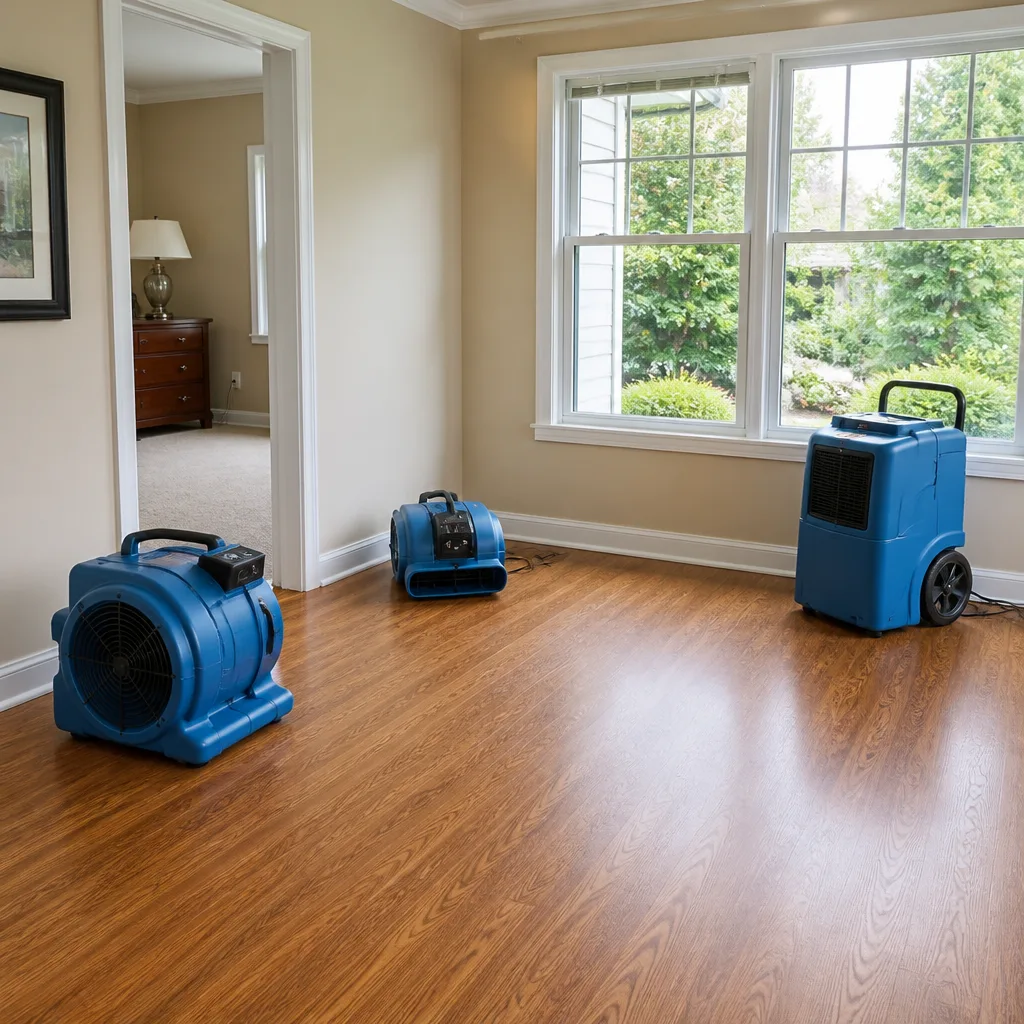
 Water damage drying
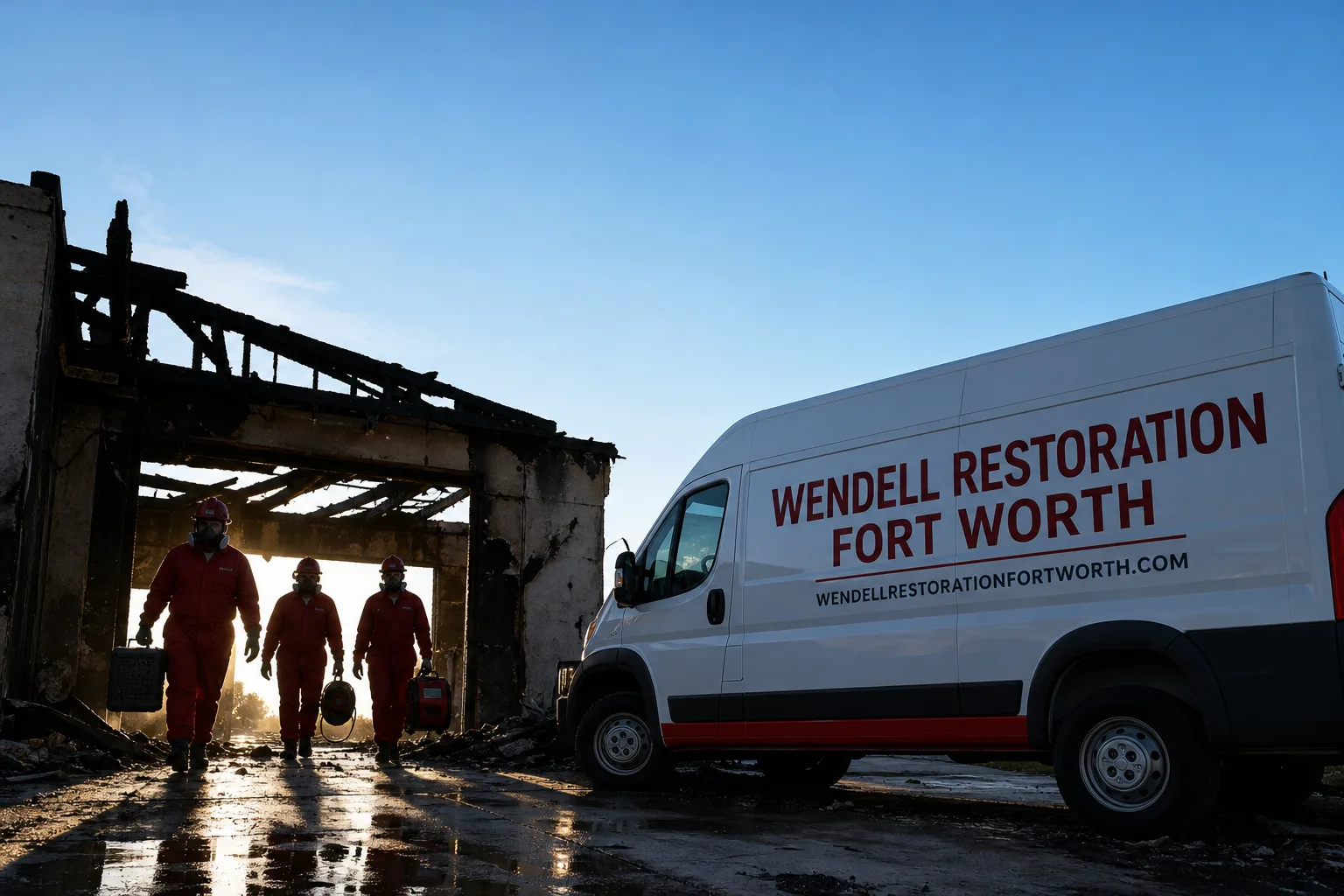
 Fire & smoke cleanup
 Mold remediation
 Storm response
 Sewage cleanup
 Reconstruction
Free visual inspection and a written scope of work before any mitigation begins - photos, moisture readings, and drying logs go in your claim file
The scope we write is the scope we bill. Anything new gets shown to you, in writing, before we touch it.
Get your free estimateRestoration work we handle
See the difference
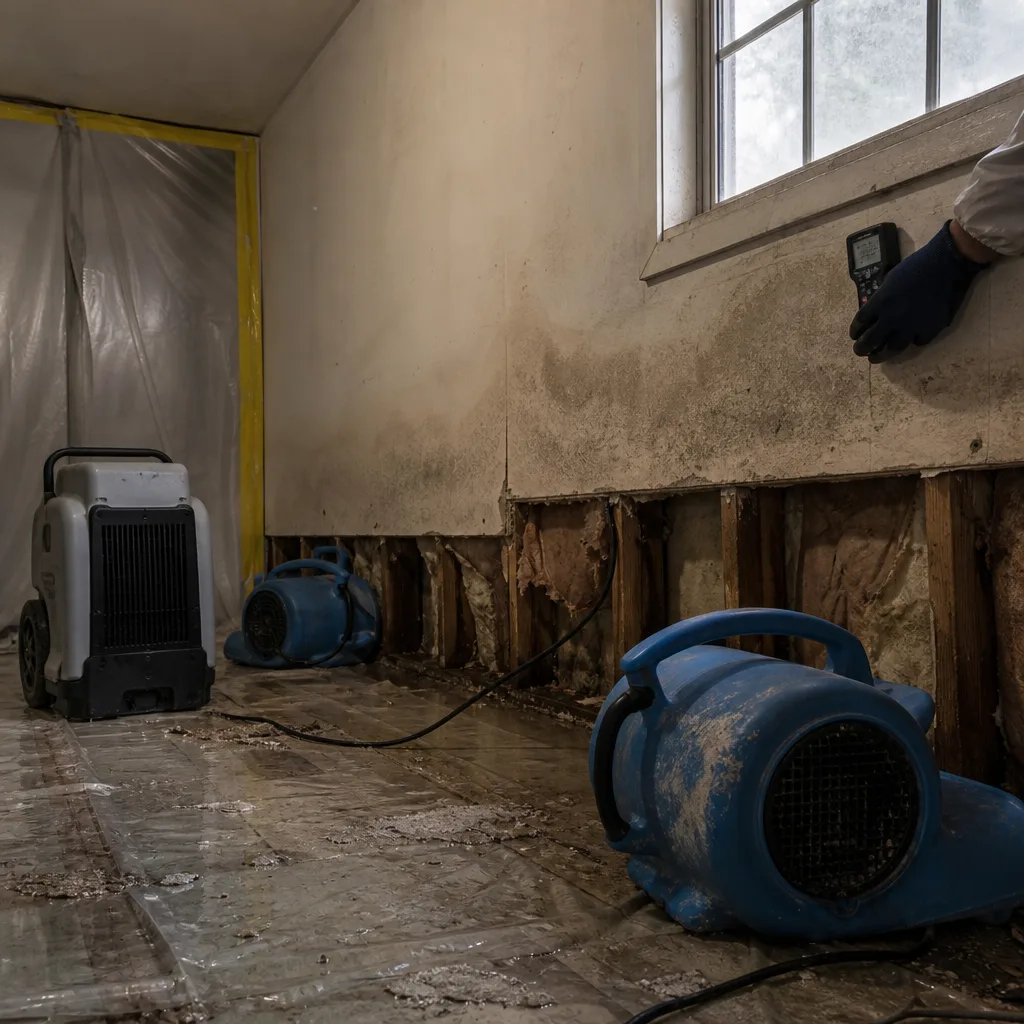 Before
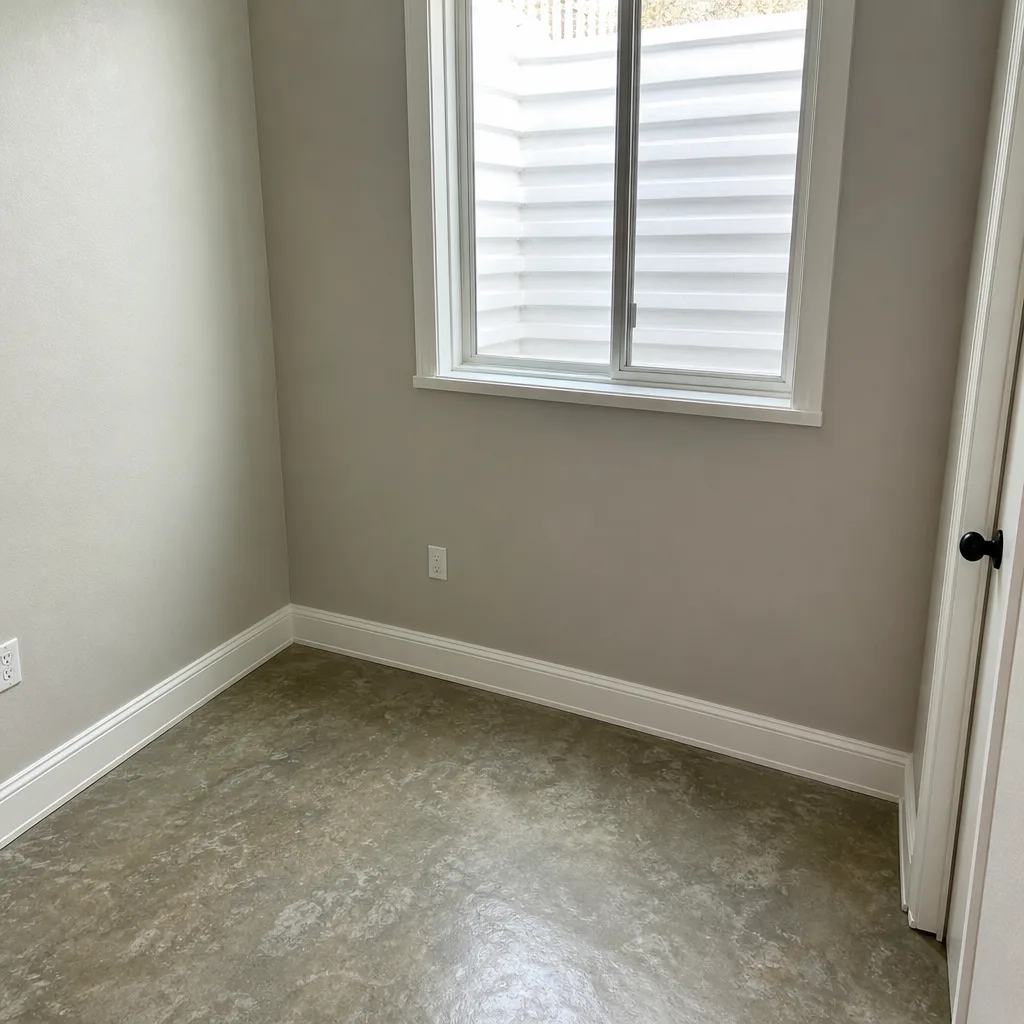 After
After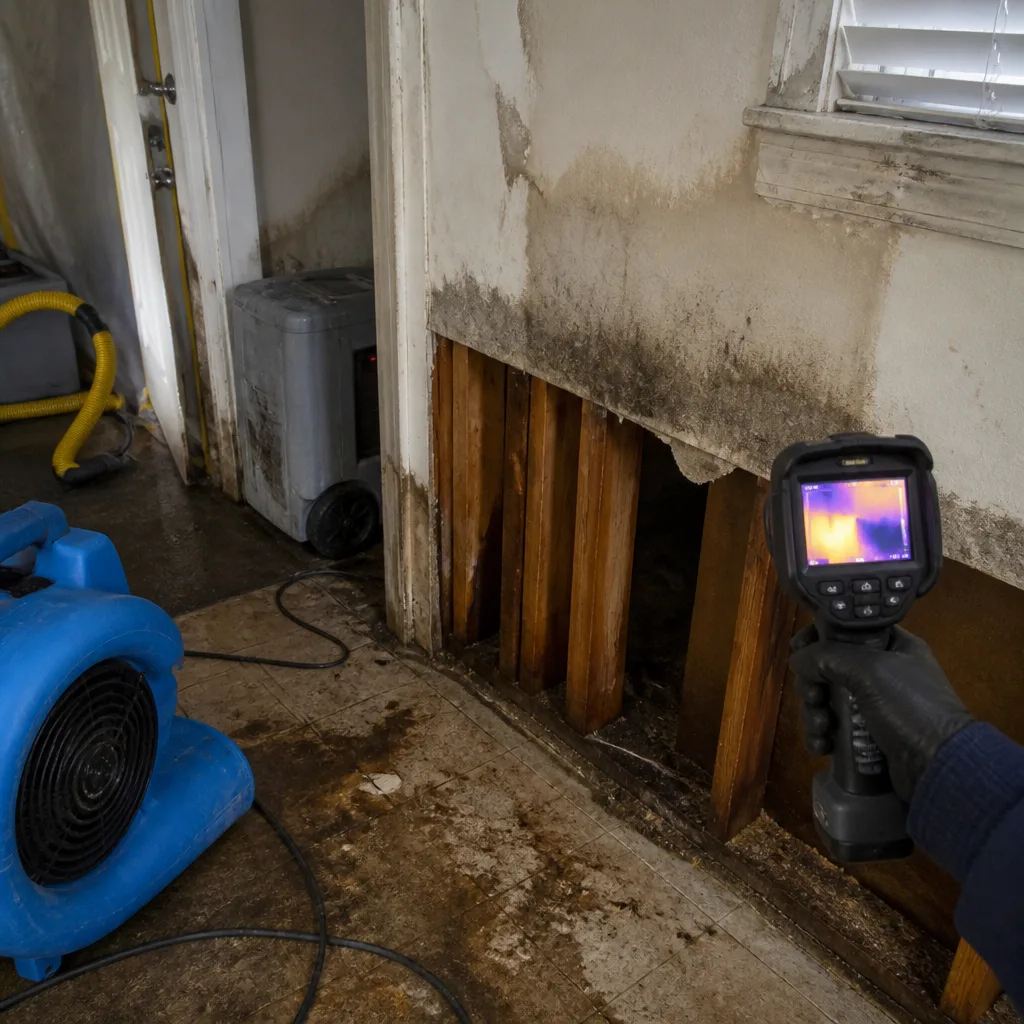 Before
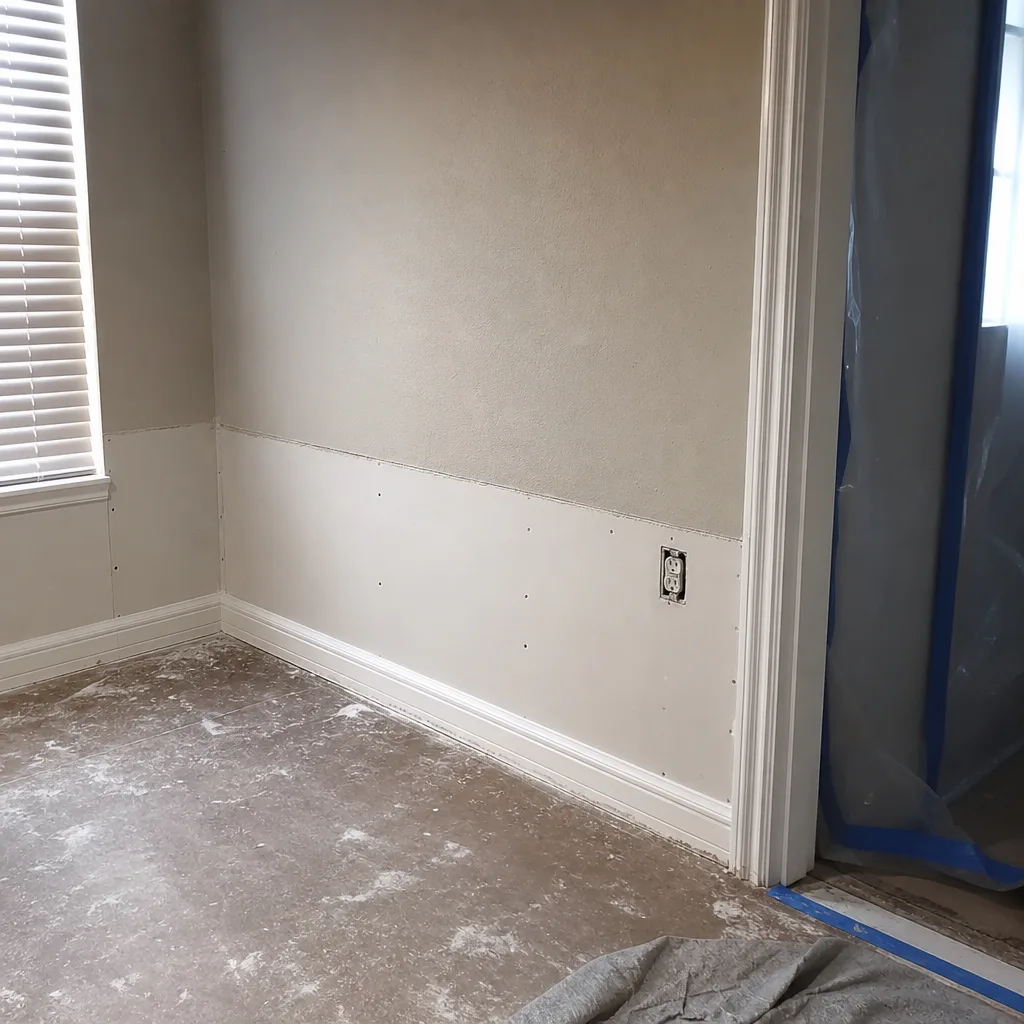 After
After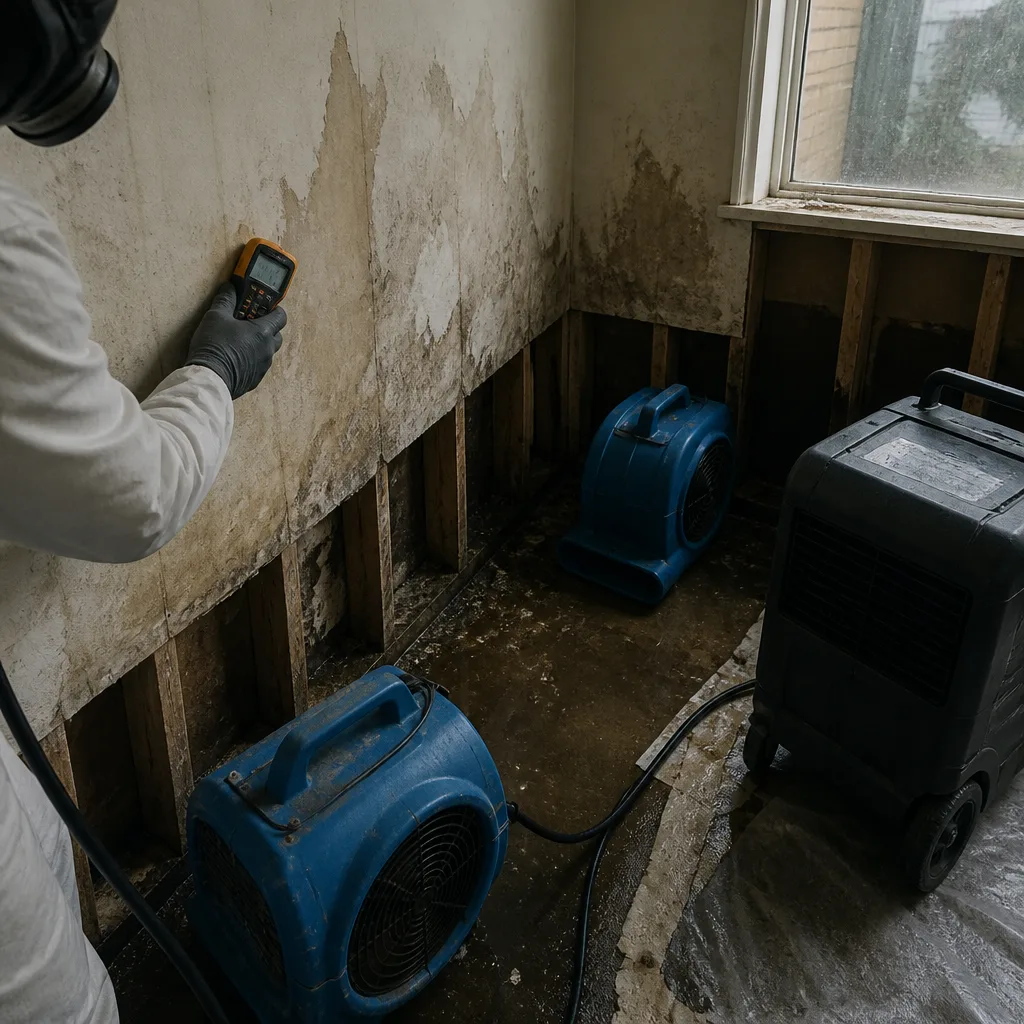 Before
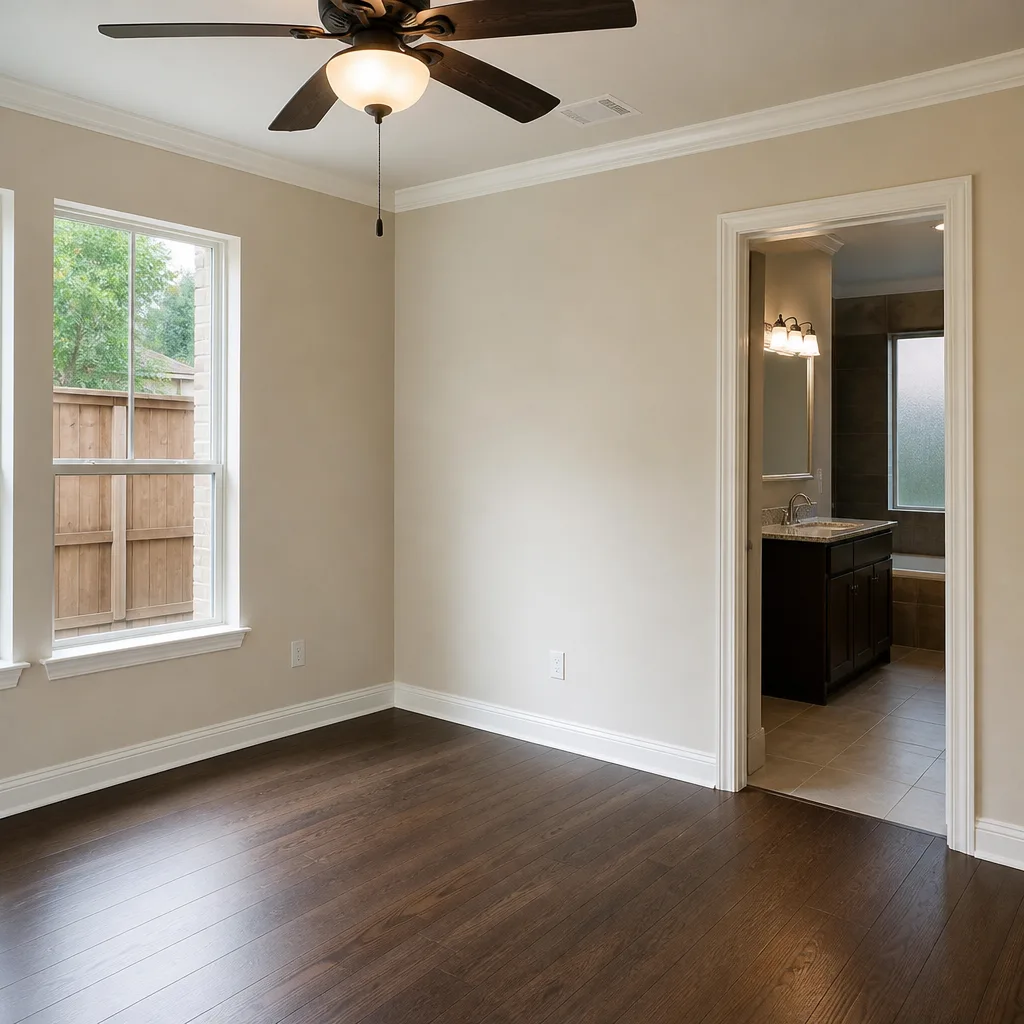 After
AfterHow Much Does Water Damage Restoration Cost in Fort Worth?
Water Damage Restoration services in Fort Worth typically cost between $1,800 and $6,500, with most homeowners paying around $3,400 for a standard Category 1 clean-water event affecting 200 to 400 square feet. Severe cases involving sewage backups, roof leaks that soaked through multiple floors, or floodwater from storms like those that hit the Trinity River basin push totals to $12,000 or more. The price depends on the water category, how far moisture has traveled, and whether structural drying or full material replacement is required.
If you’re standing in a flooded living room right now, you want a number, not a lecture. Here’s the short version: a burst supply line under a kitchen sink that gets caught within a few hours usually lands between $1,500 and $2,800. A water heater that failed while you were at work and soaked through drywall, baseboards, and into the slab typically runs $3,500 to $7,000. A sewage backup requiring containment, antimicrobial treatment, and full flooring replacement often exceeds $8,000. Wendell Restoration Fort Worth puts your price in writing before any work starts, so the number on the estimate is the number you pay. Call (682) 432-0584 and a live person answers, 24/7.
Water Damage Restoration Cost Breakdown (2026)
Here’s what Fort Worth homeowners actually paid across hundreds of water damage jobs in 2025 and early 2026. These aren’t national averages pulled from a chart. These are local numbers reflecting Fort Worth labor rates, material costs, and the specific ways homes here get wet: foundation shifts cracking supply lines, summer storms overwhelming drainage, clay soil expanding and contracting against slab plumbing.
| Service or Scenario | Typical Cost Range | What You’re Paying For |
|---|---|---|
| Water extraction only (single room, up to 200 sq ft) | $500 – $1,200 | Standing water removal, initial assessment, moisture mapping |
| Drying and dehumidification (3-5 days) | $800 – $2,500 | Commercial air movers, dehumidifiers, daily moisture readings |
| Burst supply line (kitchen or bath, caught same day) | $1,500 – $2,800 | Extraction, drying, baseboard replacement, minor drywall repair |
| Water heater failure (multi-room spread) | $3,500 – $7,000 | Extraction, drywall removal up to 2 ft, drying, rebuild, paint |
| Roof leak (attic, insulation, ceiling) | $1,800 – $4,500 | Insulation removal, drying, ceiling repair, mold prevention treatment |
| Category 2 (gray water: washing machine overflow, dishwasher) | $2,500 – $5,500 | Extraction, antimicrobial treatment, drying, affected flooring replacement |
| Category 3 (sewage backup or floodwater) | $8,000 – $15,000+ | Containment, full removal of affected materials, sanitization, rebuild |
| Mold remediation (post-water event) | $1,200 – $6,000 | Containment, HEPA air scrubbing, removal, treatment, prevention |
| Whole-home flood (foundation or storm event) | $15,000 – $30,000+ | Full extraction, structural drying, material removal, rebuild |
Every one of these jobs includes a written price before work starts. Not an estimate scribbled on a clipboard that grows by the hour. A line-item breakdown you can read while the water is still being extracted. Wendell Restoration Fort Worth texts you the digital invoice, so you can pay from a link and keep a record. That’s the home service standard we’ve held since 2006, and we’ve never budged on it.
Your final number moves based on the water category, how long the water sat, how far it wicked into walls and subfloor, whether Fort Worth’s summer heat accelerated mold growth before anyone arrived, and whether your home is on a slab or pier-and-beam. Slab homes in neighborhoods like Wedgwood, Ridglea Hills, and Meadowbrook tend to trap moisture against the foundation, which means longer drying times. Pier-and-beam homes in areas like Arlington Heights and Fairmount often drain more readily but hide moisture under floor joists that standard meters miss without specialized probes.
If you want full coverage on what Wendell does on site, read our Water Damage Restoration in Fort Worth page. It walks through the process step by step, from the first call to the final moisture reading.
What Affects Water Damage Restoration Pricing in Fort Worth
Six factors move your price more than anything else. Some you can control. Some you can’t. Knowing which is which helps you make faster decisions with less stress.
- Water category. Category 1 (clean water from a supply line) costs less to remediate. Category 2 (gray water from washing machines, dishwashers, or sump pump failures) requires antimicrobial treatment on top of drying. Category 3 (sewage or Trinity River floodwater) forces full removal of drywall, flooring, and insulation up to the saturation line, plus full containment and sanitization. Category 3 jobs in Fort Worth routinely double or triple the cost of a Category 1 job in the same square footage.
- Time water sat before response. A supply line that breaks at 2 a.m. and gets noticed at 7 a.m. is usually a drying job. The same break that happens while a family is on vacation for four days during a Fort Worth July becomes a mold-remediation job. Heat accelerates mold growth, and Fort Worth sees 95-degree-plus days for weeks each summer. The faster you call, the smaller the bill, which is why every Wendell call is answered by a live person, 24/7, not a voicemail.
- How far moisture wicked. Drywall wicks water upward. Carpet pad spreads it sideways. Subfloor holds it against the slab. The standard in this trade is to remove drywall up to the visible water line plus 12 to 24 inches to capture the moisture that crept invisibly higher. In Fort Worth slab homes, water often travels under the baseplate into adjacent rooms even when the floor looks dry. More rooms involved means more equipment days and more material replacement.
- Square footage affected. A single laundry room flood (60-100 sq ft) is a one-day extraction and three days of drying. A water heater failure that crosses a hallway into two bedrooms (400-700 sq ft) needs multiple air movers, at least two dehumidifiers, daily monitoring, and likely flooring replacement. Equipment runs on every affected square foot, every day. The math is direct.
- Flooring type. Tile on slab dries and stays. Engineered hardwood often delaminates and gets replaced. Carpet may be salvageable if caught fast, but carpet pad is almost always removed and replaced. In Fort Worth’s pier-and-beam homes, hardwood over a crawl space can cup even when the surface reads dry because moisture rises from underneath. Each flooring type carries a different removal, drying, and replacement cost.
- Whether rebuild is required. Extraction and drying are one price. Cutting out soaked drywall and baseboards, hauling it away, and reconstructing the wall is another. Most Fort Worth water damage jobs between $1,500 and $4,500 include some drywall and baseboard repair. Jobs above $6,000 usually involve full wall sections, flooring, and sometimes cabinet or vanity replacement.
How to Save on Water Damage Restoration
Saving money on Water Damage Restoration Near Me in Fort Worth, TX is mostly about speed and documentation. The homeowners who pay the least are the ones who catch the problem early, take photos immediately, and call before the water has time to brew anything worse. Here’s what consistently lowers the final bill in Fort Worth.
Call within the first hour. Every hour of standing water expands the affected area. A toilet supply line that gets shut off in 30 minutes is a mop-and-dry situation. The same line left running for three hours soaks through the subfloor and into the ceiling below if you have a two-story. That’s the difference between a $600 job and a $4,000 job. Wendell’s live-answer phones mean you reach someone the moment you call, not after a callback.
Stop the water source if you can do so safely. Shut off the supply valve at the appliance or fixture, or kill the main if you can’t identify the source. If the water is coming from an electrical appliance, do not touch it or stand in the water. Cut power at the breaker first, and if you are unsure, wait outside and call. Safety comes before savings, always.
Move small items out of the water. Furniture legs, cardboard boxes, rugs, anything that can be relocated without risk. Removing items reduces the square footage that needs extracting and the contents that need cleaning or replacing.
Take photos before anything is moved or dried. Insurance claims go smoother with documentation. Photos of the standing water, the source, the affected rooms, and any visible damage help the adjuster move faster and help us scope the job accurately. You’re not expected to know what’s relevant. Shoot wide shots of the room and close-ups of the water line.
Don’t dry it yourself with household fans. It seems like the budget move, but household fans and a wet vac do not pull moisture from wall cavities, subfloor, or tile underlayment. By the time you rent equipment or buy a home dehumidifier, days have passed and the moisture has spread. Professional psychrometric drying uses commercial air movers from Dri-Eaz, Phoenix, XPOWER, B-Air, and Injectidry to track the air’s moisture level and confirm when your home is truly dry, not just surface-dry. A botched DIY drying job often becomes a bigger restoration job within a few weeks.
Get a written price before work starts, not after. If a restoration company won’t give you a number before touching a tool, walk. Wendell gives you a written price upfront, texts you the digital invoice, and the number on the screen is the number you pay. Estimates are free. Call (682) 432-0584 and you’ll have a number in minutes, not days.
Fort Worth Water Damage Factors You Won’t Read on National Sites
National cost guides pull from averages across the country. They don’t tell you what actually drives water damage in Fort Worth. Here’s what we see on the ground, in the homes, in the neighborhoods.
Foundation movement and slab leaks. Fort Worth sits on expansive clay soil. It swells when wet and shrinks when dry, which means foundations shift constantly. Over time, that movement stresses copper and PEX supply lines under the slab, and they crack. A slab leak often goes unnoticed for weeks or months because the water runs underneath the foundation instead of pooling visibly, making Basement Water Removal more complex when it’s finally discovered. By the time homeowners notice a warm spot on the floor, a spike in the water bill, or cracking drywall, the moisture has already spread far further than they realize. These jobs are consistently among the most expensive we quote, not because the extraction is hard, but because the water had a head start.
Storm season and flash flooding. Fort Worth gets heavy spring storms and the occasional tropical system remnant that dumps inches in hours. Neighborhoods near the Trinity River, along the Clear Fork, and in low-lying sections like Stop Six and east Fort Worth are more flood-prone than the higher ground in southwest Fort Worth. Flash flooding introduces Category 3 water, which means full material removal and sanitization, not just drying. Storm-season jobs also spike demand, which means longer wait times with companies that don’t staff 24/7. Wendell does.
The Fort Worth summer heat. Mold starts growing in 24 to 48 hours in normal conditions. In an un-air-conditioned Fort Worth house in July, that window shrinks to 12 to 24 hours. The heat accelerates moisture movement too, pushing humidity through drywall and forcing it deeper into building materials. Summer water damage in Fort Worth tends to involve more mold remediation than the same event would cause in December.
Slab vs. pier-and-beam. Your home’s foundation type changes the drying plan. Slab homes trap moisture between the slab and the flooring, which often means more flooring removal and longer drying times. Pier-and-beam homes drain downward, but water pools in the crawl space, and insulation under the floor becomes a soaked sponge that must be removed and replaced. Both scenarios are manageable, but they require different equipment setups and a restoration company that understands Fort Worth construction.
How Wendell Restoration Fort Worth Prices a Water Damage Job
You deserve to understand the pricing process before you call. It’s not a mystery. It’s a method, and we follow it on every single job.
- You call and a live person answers. No phone tree, no callback, no “leave a message and we’ll get back to you.” You reach a human being who starts collecting the details of your situation immediately. We ask about the water source, the affected rooms, the flooring type, and whether the water is still running. Every question is designed to help us tell you what to do right now, even before a technician arrives.
- We give you immediate guidance over the phone. If you can safely stop the water, we tell you exactly how. If you should cut power, we tell you to cut power and wait outside. If you need to move valuables, we walk you through what’s safe to move. This isn’t fancy restoration talk. It’s practical, right-now help from someone who does this every day.
- A technician arrives with a live arrival time you can track. You’re not given a four-hour window. You’re given a specific time and you can watch the technician’s progress on your phone, like tracking a rideshare. When the truck pulls up, you already know exactly who is walking through your door. Every Wendell technician is background-checked and in uniform.
- The technician scopes the job and writes up a detailed price. We use moisture meters and thermal imaging to map the actual affected area, not a guess based on what’s visibly wet. The written price covers every line item: extraction, equipment days, drying time, material removal, antimicrobial treatment if needed, and rebuild. You see the full number before we touch a single tool.
- You approve the work, and we proceed immediately. You don’t wait for a manager to call back or an office to “process the paperwork.” The technician starts extraction right then. Every hour we save is an hour the water isn’t spreading.
- We run professional-grade drying equipment and monitor daily. Commercial air movers from Dri-Eaz, Phoenix, XPOWER, B-Air, and Injectidry run continuously. We check moisture levels daily and adjust the equipment plan based on actual readings, not a timer. Psychrometric drying – tracking the air’s moisture so we know when your home is truly dry, not just surface-dry – is the standard on every Wendell job, aligned with IICRC, RIA, and IFA protocols.
- You get before-and-after photos by text. Throughout the job, we send photo updates so you can see the progress even if you’re at work. When the job is complete, you have a full visual record of what was done and what your home looked like before and after.
- You receive a digital invoice and pay from a link. The invoice is texted to you. The number matches the written estimate you approved. You tap a link to pay. No surprises, no adjustment calls, no “there were unforeseen complications.”
- Your 365-Day Done Right Promise is in writing. Every Wendell job includes a written guarantee: if it’s not done right, we make it right. And if the repair fails, we come back for a free second visit. The promise is stated on every job, in writing, for 365 days.
This process is the Relay Standard. It exists because most restoration companies don’t do it. Book in a tap, live arrival time, photo updates, price in writing, text invoice. Wendell has held that standard since 2006, as part of the Relay Home Co. family. Each location is independently owned and operated, and Fort Worth gets the same visibility guarantee as every other Wendell market.
FAQs – Water Damage Restoration Cost
How much does water damage restoration cost per square foot in Fort Worth?
Water damage restoration in Fort Worth averages $8 to $20 per square foot, depending on water category and what needs replacing. A Category 1 clean-water extraction with drying in a 300-square-foot living room runs about $2,400 to $4,000. Category 3 sewage work on the same square footage can hit $10,000 or more because full material removal and sanitization are required. Call (682) 432-0584 for a written price on your specific situation, free.
Is it cheaper to repair or replace water-damaged flooring in Fort Worth?
Repairing one damaged section of hardwood or carpet in a Fort Worth home costs $300 to $1,500. Replacing the entire affected room runs $2,000 to $8,000 depending on material. The decision hinges on how far the moisture spread, not just what looks stained. We quote both options in writing and make a recommendation based on what will actually dry properly versus what will fail within a year. The 365-Day Done Right Promise means if we repair something and it fails, we return for a free second visit.
How much does a slab leak repair cost in Fort Worth?
Slab leak water damage restoration in Fort Worth typically ranges from $4,000 to $12,000 when you factor in locating the leak, accessing the slab, repairing the pipe, then drying and rebuilding affected areas. Fort Worth’s expansive clay soil makes slab leaks more common here than in most Texas markets. The longer a slab leak runs undetected, the wider the moisture plume spreads, which is why a higher-than-normal water bill or a warm spot on the floor should trigger an immediate call.
Can you come today for water damage in Fort Worth?
Yes. Wendell Restoration Fort Worth runs crews 24/7, and calls are answered by a live person around the clock. Same-day response is standard for active water events. A technician arrives with a live arrival time you can track on your phone, not a vague four-hour window. Water damage does not keep business hours, and neither does Wendell. Call (682) 432-0584 and someone starts working on your situation immediately.
Does homeowner’s insurance cover water damage restoration in Fort Worth?
Yes, most Fort Worth homeowners policies cover sudden and accidental water damage, like a Burst Pipe Restoration, water heater failure, or storm-related roof leak. Typical coverage pays for extraction, drying, and rebuild after your deductible. What’s usually excluded is gradual damage: slow leaks that ran for months, seepage, or pre-existing mold. We document everything thoroughly with photos and moisture readings so your adjuster has the information needed to process the claim. The price is in writing before any work starts, which also makes things simpler with your insurance company.
How long does water damage restoration take in Fort Worth?
Most water damage restoration jobs in Fort Worth take 3 to 7 days for extraction and drying, plus 1 to 2 weeks for rebuild if walls or flooring need replacement. A single-room Category 1 event might be dry in 3 days. A whole-home Category 3 flood with full material removal can run 3 to 4 weeks. Wendell technicians monitor moisture daily and you’ll get photo updates throughout, so you’re never wondering what’s happening at your house while you’re at work.
Get a Written Price Before Any Work Starts
You’re calling because water is where it shouldn’t be. You don’t need a sales pitch. You need a number, a plan, and a team that shows up when they say they will. Wendell Restoration Fort Worth gives you all three.
The price is in writing before any work starts. The technician arrives with a live arrival time you can track. Before-and-after photos hit your phone by text. The invoice is digital, and the number on the screen is the number you pay. Every job carries the 365-Day Done Right Promise in writing: if it’s not done right, we make it right, and if the repair fails, we return for a free second visit.
Call (682) 432-0584 now. A live person answers, 24/7. Founded in 2006 and part of the Relay Home Co. family, Wendell Restoration Fort Worth has been answering that phone ever since.
Written by Blake Sorensen, Owner at Wendell Restoration Fort Worth, serving Fort Worth since 2006.
Pricing reflects the Fort Worth market as of 2026. Wendell Restoration Fort Worth offers free estimates – call (682) 432-0584.
What Our Customers Say
"Insurance paperwork was easy since everything was in one portal."
- Manny R."Water damage repair to the baseboards and drywall was clean."
- Ted H."Dishwasher leak went under the floor. They found the wet area with a camera and dried it without tearing it all out."
- Aaron D.