
Last updated October 16, 2026
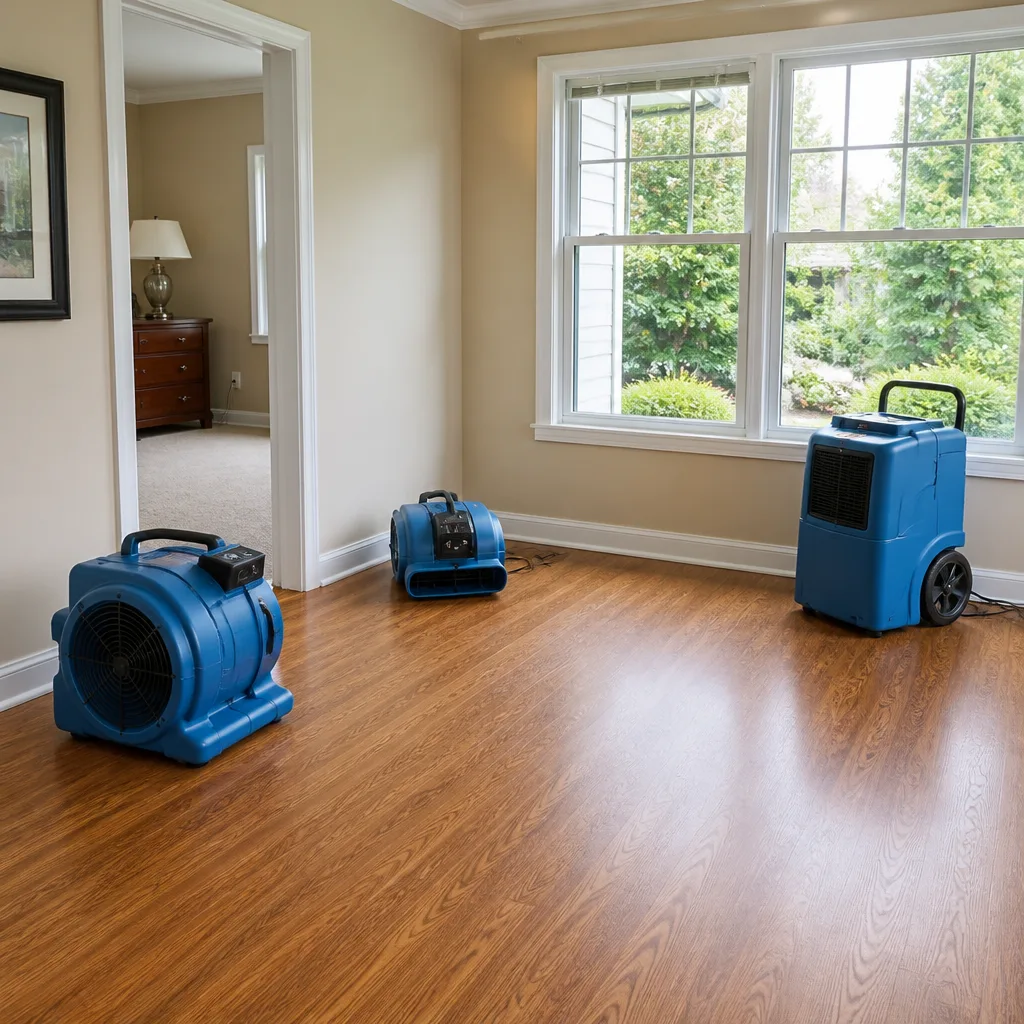 Water damage drying
 Fire & smoke cleanup
 Mold remediation
 Storm response
 Sewage cleanup
 Reconstruction
Free visual inspection and a written scope of work before any mitigation begins - photos, moisture readings, and drying logs go in your claim file
The scope we write is the scope we bill. Anything new gets shown to you, in writing, before we touch it.
Get your free estimateWater Damage Restoration Maintenance Checklist for Fort Worth Homeowners
Slow leaks hidden inside walls cause roughly 40% more structural damage than sudden pipe bursts because they go undetected for weeks or months. Most of those slow leaks start at maintenance points homeowners skip, not because they’re lazy, but because nobody ever told them why those specific spots matter in Fort Worth’s housing stock. This guide walks through the actual failure points we see on service calls across Fort Worth every week: aging cast-iron sewer lines, pier-and-beam crawl spaces, HVAC condensate pans overwhelmed by North Texas summers, and galvanized supply lines in 1960s-to-1980s slab homes. You’ll learn what to check, what a real problem looks like before it becomes a restoration job, and when a finding means grab a moisture meter versus make a call for our Water Damage Restoration services today.
Quick Answer
A water damage prevention checklist for Fort Worth homeowners should prioritize five areas: supply lines and angle stops on older slab homes, cast-iron drain stacks in pre-1980 neighborhoods, HVAC condensate lines during summer’s high run-times, pier-and-beam crawl space moisture after heavy rains, and post-hailstorm roof and flashing inspections from March through June. Each item takes 10 to 20 minutes to inspect and catches the slow leaks that turn into water damage restoration in Fort Worth projects costing $4,000 to $18,000 on average once framing, drywall, and flooring are involved.
Restoration work we handle
Table of Contents
- Foundation Slabs and Galvanized Supply Lines: The 1960s-1980s Fort Worth Problem
- Pier-and-Beam Crawl Spaces in Fairmount and the Near Southside
- Aging Cast-Iron Drain Stacks in Older Fort Worth Neighborhoods
- HVAC Condensate Lines: The North Texas Summer Ceiling Damage Culprit
- Post-Hailstorm Walkthrough: March Through June in Tarrant County
- Water Heater Inspection: The Anode Rod Predicts Failure Within 18 Months
- When a Moisture Meter Reading Is Required Versus an Immediate Call
Foundation Slabs and Galvanized Supply Lines: The 1960s-1980s Fort Worth Problem
Fort Worth added tens of thousands of slab-on-grade homes between 1960 and 1985, and a large share of those still have original galvanized steel supply lines running under the slab. Galvanized pipes corrode from the inside out. The first sign is usually a drop in water pressure at a single fixture, not a visible leak. Inside the pipe, rust and mineral scale narrow the opening year by year until a pinhole forms. By the time you see water staining on a baseboard or hear water running with all fixtures off, the pipe has been leaking into the soil or up through the slab for weeks.
What to check on a slab home:
- Water meter baseline. Turn off all faucets, ice makers, and irrigation. Watch the meter dial. If the small flow indicator keeps moving, water is moving somewhere it should not be. This catches a leak before it surfaces.
- Angle stops under sinks and toilets. These are the small shutoff valves where the supply line meets the fixture. Galvanized angle stops corrode at the threads. Look for white crust, green patina, or moisture at the junction. A corroding angle stop fails suddenly, not gradually, and it can release full line pressure into a cabinet or wall cavity.
- Copper-to-galvanized connections. Where a renovation spliced in new copper or PEX and the original galvanized remains, electrolysis accelerates corrosion at the joint. Look for discoloration or pitting within six inches of any transition fitting.
- Baseboard swelling in rooms adjacent to bathrooms or kitchens. Slab leaks travel up through the foundation and wick into bottom plates and drywall. A baseboard that has warped or separated from the wall, or a floor that feels warm in one spot, is a classic underground hot-water line leak indicator.
We see slab leaks in older Fort Worth neighborhoods most often after soil movement. The expansive clay that covers much of Tarrant County shrinks in summer drought and swells after rain, and that movement stresses copper and galvanized lines embedded in or beneath the slab. Homes in Wedgwood, East Fort Worth, and the Como neighborhood built in the 1960s and 1970s sit on some of the most movement-prone soil in the metro.
If your meter check suggests a leak but nothing is visible, the next step is a professional acoustic or thermal scan to pinpoint the source before anyone cuts into the slab. A written scope and price first is non-negotiable on that kind of work. We provide exactly that before any restoration work starts, so you know the number before any tool is touched, as detailed in our Damage Restoration Cost Breakdown: The Fort Worth Homeowner’s Reference for 2026.
Pier-and-Beam Crawl Spaces in Fairmount and the Near Southside
Fort Worth’s historic districts, Fairmount, Ryan Place, Mistletoe Heights, and much of the Near Southside, are built on pier-and-beam foundations with a crawl space underneath. That crawl space is the most overlooked water damage risk in the city because homeowners rarely go down there. A crawl space with standing water or chronically damp soil sends moisture up into floor joists, subflooring, and eventually into living spaces. That moisture supports mold growth and wood rot, and it attracts termites, which compound structural damage.
Here is the crawl space checklist we recommend at least twice a year, once in spring and once after the fall rains:
- Look for standing water after heavy rain. Fort Worth’s clay-heavy soil drains slowly. If water ponds under the house for more than 48 hours after a storm, grading or drainage issues are pushing water toward the foundation instead of away from it.
- Check the foundation vents. Vent screens get blocked by leaves, dirt, or critter nests. Blocked vents trap humidity. Crawl space humidity above 60% sustained for weeks promotes microbial growth on joists and subfloor. A $15 hygrometer placed in the crawl space gives you a real number.
- Inspect the subfloor from below for stains. Use a flashlight. Dark water stains on plywood or OSB mean a leak above, typically from a supply line, a tub drain, or a toilet wax ring. The underside of the floor tells you about leaks long before the finished floor above shows anything.
- Look at the sill plate, the horizontal wood beam that sits on the foundation wall. In Fort Worth’s older pier-and-beam homes, sill plates are often original timber. Rot at the sill plate is a structural issue, not just a cosmetic one, and it often starts with chronic moisture from poor drainage or a plumbing leak inside the wall above.
- Feel for soft spots in the floor inside the house. Walk every room. A bounce or softness underfoot, especially near exterior walls or under bathrooms, often means subfloor damage from a leak below. This pairs with what you see in the crawl space to confirm the problem before it becomes a full water damage repair in Fort Worth scope.
Fairmount and the Near Southside have another compounding factor: many of these homes have had additions and renovations over the decades, and not all of that work included proper moisture barriers. New framing connected to old, uninsulated, unvented crawl sections creates condensation zones where warm, humid air meets cooler surfaces. A Crawl space vapor barrier, which is a reinforced plastic sheet across the dirt floor, is one of the highest-value preventive upgrades we recommend in these neighborhoods.
Aging Cast-Iron Drain Stacks in Older Fort Worth Neighborhoods
Homes built before 1980 in Fort Worth often have cast-iron drain and vent stacks. Cast iron lasts a long time, but it does not last forever. The typical lifespan in North Texas soil conditions is 50 to 70 years, which means a home built in 1955 is now running on borrowed time. Cast iron fails from the inside: hydrogen sulfide gas from decomposing waste combines with moisture to form sulfuric acid, which eats the pipe from the top of the flow line outward. The pipe develops a channel of thinning metal along the bottom, and eventually it cracks or collapses.
What a failing cast-iron stack looks and smells like:
- A sewer-gas smell that comes and goes. This is not a vent blockage problem most of the time. It is a cracked stack letting gas escape inside the wall cavity. Gas follows the plumbing chases and enters living spaces through outlet holes and gaps around pipes.
- Recurring drain clogs in the same fixture. When the pipe bottom has eroded, the drain’s internal surface is rough and catches waste. Snaking clears the clog but does not fix the eroded pipe, and the clog returns in weeks or months.
- Sagging or misaligned joints visible in exposed sections. Basements are rare in Fort Worth, but exposed stacks in garages, utility rooms, and crawl spaces show the pipe’s true condition. Look for rust blooms, flaking metal, and joints that have separated by even an eighth of an inch.
- Staining or efflorescence on walls or ceilings below bathrooms. A cracked drain stack leaks gray water, not clean water. It does not smell like mold; it smells like sewer. But the damage to framing, drywall, and insulation is the same class of restoration work.
- Look at the primary drain line exit outside your home. On hot, humid days with the AC running, you should see a steady drip. No drip means the line is clogged or the pan is leaking before the water reaches the exit. A gushing stream means the primary is blocked and the system is overwhelming the overflow.
- Check the emergency drain pan under the indoor unit. This pan catches overflow from the primary pan because it is not inside the air handler. Look for standing water, rust, or a high-water line mark inside the pan. Standing water means the primary drain line is clogged and the pan is doing all the work.
- Inspect the float switch. Most North Texas systems have a float switch in the emergency pan that shuts the AC off when the pan fills. Test it by slowly pouring water into the pan and watching whether the system shuts down. A failed float switch means the first warning sign of an overflow is water coming through your ceiling.
- Listen for gurgling or dripping sounds from the attic or mechanical closet when the AC starts. Water that has accumulated and is being pushed through a partially clogged line makes a distinct gurgle. It is quieter than the blower, but once you know the sound, you hear it.
- Look for ceiling stains near the air handler location. Water damage from a condensate overflow often appears as a yellow-brown stain on the ceiling of the room below the unit. Homeowners frequently attribute these stains to roof leaks. In North Texas, the AC condensate line is a more common cause during summer than the roof.
- Walk the perimeter and look at the roof from the ground. Use binoculars if needed. Look for missing shingles, shingles that have shifted, and exposed underlayment. Hail impact leaves a distinct bruise pattern on asphalt shingles: small circular areas where the granules are missing and the fiberglass mat is visible.
- Check gutters and downspouts for granular debris. After a hailstorm, asphalt shingle granules collect in gutters. A heavy accumulation of granules, especially in a concentrated area, indicates significant roof impact and potentially compromised shingle life.
- Inspect flashing around chimneys, vent pipes, and skylights. Hail dents metal flashing. Denting does not always create an immediate leak, but it compromises the flashing’s ability to channel water away from the penetration. Over time, water works through the dented seams and into the roof deck.
- Look in the attic during daylight hours. Turn off the attic light and look for pinholes of light coming through the roof deck. Those pinholes mean the roof decking has been breached. Also look for water staining on the underside of the roof decking, especially around penetrations and in valleys.
- Check ceilings and walls on the top floor for new water stains. Hail-induced leaks often show up days after the storm, not during it. Water pools on the roof deck and slowly works through. A new water stain after a hailstorm is a roof leak until proven otherwise.
- Age of the water heater. The serial number on the manufacturer’s label encodes the date. Most water heaters in Fort Worth’s hard water conditions last 8 to 12 years. If yours is past 10 years, the anode rod is almost certainly depleted unless it has been replaced.
- Rust on the tank exterior, especially at the bottom seam. Surface rust on the outer jacket is not necessarily a failure indicator because it is exposure to moisture and scratches over time. But rust and discoloration around fittings, like the temperature and pressure relief valve or the drain valve, often means internal corrosion.
- Moisture around the base of the tank. This is never normal, even in a garage. Some Fort Worth homes have water heaters in the garage where a small puddle might be attributed to condensation. Do not assume. If the floor is wet around the tank, dry it, wait 24 hours, and check again. Persistent moisture means a slow leak.
- The anode rod itself. The anode rod is accessible under a cap on top of the tank. You can remove it with a socket wrench, but the tank’s water pressure makes this a job that requires turning off the water and releasing pressure first. If you are not confident doing this yourself, a plumber can inspect it in under 30 minutes. A depleted anode rod looks like a thin wire or is completely gone, eaten away to a stub. A healthy anode rod is roughly the diameter of a finger and covered in a rough, chalky surface.
- The TPR valve. The temperature and pressure relief valve is the small brass valve on the side or top of the tank with a small lever. This valve prevents overpressure. Test it once a year by lifting the lever briefly while a bucket is positioned under the discharge pipe. Water should flow freely. If nothing comes out, the valve is fused and needs replacement. A failed TPR valve is a catastrophic failure risk.
- You see staining on drywall or baseboards that does not feel wet to the touch. Stains mean the material got wet; a moisture meter tells you whether it dried completely or still holds moisture inside the cavity. Materials can look dry on the surface and still hold 20%+ moisture content inside, above the threshold where mold grows.
- Your meter test found a moving water indicator, but no visible leak. An acoustic or thermal scan pinpointing a hidden leak is much cheaper than exploratory demolition.
- You smell a musty odor in one area but see no visible water or staining. The source is hidden, and a professional assessment with moisture mapping identifies it without needless drywall removal.
- You recently had a leak that was repaired by a plumber, and you want confirmation the surrounding materials dried completely before you close up the wall. Insurance adjusters want this documentation too.
- Water is currently flowing or pooling inside your home from any source. The first 24 to 48 hours are the critical window for extraction and drying before microbial growth accelerates.
- Water is coming through a ceiling, especially if the ceiling is sagging. A sagging ceiling under water weight can collapse without warning.
- You see visible mold growth on any surface larger than a dinner plate. This is a mold remediation in Fort Worth scope, not a cleaning job. Disturbing the growth without proper containment spreads spores through the HVAC system.
- Water has come into contact with electrical outlets, switches, or any wiring. Cut power at the breaker to the affected area and call a professional before re-energizing anything.
- Gray water or sewage is involved. Wastewater carries contaminants beyond viruses and bacteria, and the cleanup requires proper PPE, containment, and disposal protocols under Wendell Restoration Fort Worth home standards, which follow IICRC and RIA guidelines.
In our experience across Fort Worth, cast-iron failures cluster in neighborhoods built in the 1940s through the 1960s: Ridglea, Westcliff, Meadowbrook, and parts of Polytechnic. If your home was built in that window and still has original cast-iron drain lines, this is not a “wait for the smell” situation. A plumber can run a camera scope through the cleanout to document the pipe’s condition. The camera footage gives you a real answer about remaining service life, and it gives you a baseline for future comparisons.
HVAC Condensate Lines: The North Texas Summer Ceiling Damage Culprit
Fort Worth summers push air conditioners to run 12 to 18 hours a day from June through September. Every hour of runtime produces condensate, the water that forms on the cold evaporator coil. A typical North Texas system produces 5 to 10 gallons of condensate per day in peak summer. That water is supposed to drain through the condensate line to the outside or into a plumbing drain. When the line clogs, or when the drain pan cracks from heat and age, that water overflows into the ceiling, the attic floor, or the mechanical closet.
Here is the specific checklist for condensate lines and drain pans:
Condensate lines clog with algae and mineral scale, a combination of dust from the attic, humidity, and the slightly acidic nature of the condensate itself. Flushing the line with warm water and a mild vinegar solution twice a season prevents most clogs. But do not skip the visual pan inspection. We have been called to Fort Worth homes where a cracked drain pan had been slowly leaking onto ceiling drywall for weeks, and the homeowner only noticed when the ceiling sagged. By then the repair includes drywall replacement, insulation removal, and antimicrobial treatment on the framing below the leak.
Post-Hailstorm Walkthrough: March Through June in Tarrant County
Fort Worth sits in hail alley. The window from March through June brings thunderstorms that produce hail, high winds, and occasional tornadoes across Tarrant County. Hail damages shingles, gutters, flashing, skylights, and roof vents. Most of that damage does not create immediate interior water intrusion. It creates slow leaks that find their way into the attic and walls over the following weeks or months. The roof leak you discover in July often traces back to a hailstorm in April.
Perform this walkthrough within 72 hours after any significant hailstorm:
One specific Fort Worth pattern we see after spring storms: damage to the roof vents, which are the metal or plastic caps on plumbing vent pipes and the exhaust vents for bathroom fans. A hailstone can crack the plastic housing of a vent cap, and that crack is invisible from the ground. Water enters through the cap during the next rain and drips straight down through the attic insulation onto the ceiling drywall like a small leak at a single point. The fix is a $40 vent cap. The restoration if it is ignored is a ceiling patch, insulation replacement, and potentially drywall replacement if the leak continued long enough.
If your walkthrough raises questions, many roofing contractors in Fort Worth offer free inspections. But keep a clear line between a roof inspection and the interior damage that may already exist. If you find active water intrusion or staining inside, the interior water damage needs to be addressed by a restoration company, not a roofer, as explained in The Complete Guide to Damage Restoration in Fort Worth. The roof fix stops the water source; it does not dry the walls, treat the mold risk, or replace the damaged drywall and insulation.
Water Heater Inspection: The Anode Rod Predicts Failure Within 18 Months
Water heaters are the most predictable water damage source in any Fort Worth home, and the failure signal is visible to a naked eye if you know what to look for. The anode rod is a sacrificial metal rod inside the tank that corrodes instead of the tank wall. When the anode rod is depleted, the tank starts corroding instead. The corrosion creates pinholes in the tank liner, and those pinholes release water at full line pressure. A 50-gallon water heater that fails while the residents are at work releases 50 gallons of water plus continuous inflow from the supply line. The resulting damage easily exceeds the cost of the water heater by a factor of ten.
What to check, in order:
Fort Worth’s water is moderately hard, typically 8 to 12 grains per gallon depending on the source. Hard water accelerates anode rod depletion and sediment buildup at the bottom of the tank. Sediment creates hot spots on the tank floor, which accelerates corrosion. If you hear popping or rumbling sounds when the water heater fires, that is sediment boiling under the burner. The tank is working harder than it should, and the strain shortens its life. Flushing the tank annually removes most sediment and extends the tank’s life by years.
When a Moisture Meter Reading Is Required Versus an Immediate Call
Not every water-related finding requires a restoration company. Some do. Here is the threshold we use ourselves when talking to Fort Worth homeowners.
A professional moisture meter reading is the right next step when:
An immediate restoration call is the right move when:
In our experience, the most expensive jobs are the ones where a homeowner waited because the damage did not look that bad. Water hides. A small stain on a ceiling is often the visible tip of a much larger wet area in the cavity above. By the time the stain appears, water has been moving through that space for days or weeks. The difference between a $800 drying job and an $18,000 rebuild often comes down to whether the source was caught in week one or week six.
Common Mistakes to Avoid
- Treating visible water as the full scope of the problem. Water migrates. It follows framing, subflooring, and drywall far beyond the visible puddle. A professional moisture map using thermal imaging and penetrating meters shows the full wet area, and the full wet area is what needs drying.
- Assuming a roof leak is the cause of every ceiling stain in a Fort Worth summer. The HVAC condensate overflow described above is at least as common. Before you call a roofer, check the drain pan and condensate line.
- Skipping the crawl space because it is dark and uncomfortable. The crawl space is where slow leaks live in pier-and-beam homes. If you have not inspected it in the past year, you are flying blind on the most expensive potential damage source in your home’s structure.
- Using a consumer-grade pin meter and treating the number as definitive. Consumer moisture meters are helpful for a first pass, but they do not perform the same calibration or depth function as professional meters. If the number is elevated, get a professional reading before deciding the materials are dry.
- Waiting for an insurance adjuster before starting mitigation. Insurance policies require the homeowner to mitigate further damage. Document everything with photos, then start drying. The adjuster coordinates with the restoration company, and photo documentation submitted by the restoration team supports your claim. Direct adjuster coordination is part of how we work on every insured job.
- Ignoring the water heater because it works fine. The failure mode is not a slow decline in performance. It is a sudden tank rupture. The anode rod tells you what is coming, and it is a $100 repair that prevents a five-figure restoration.
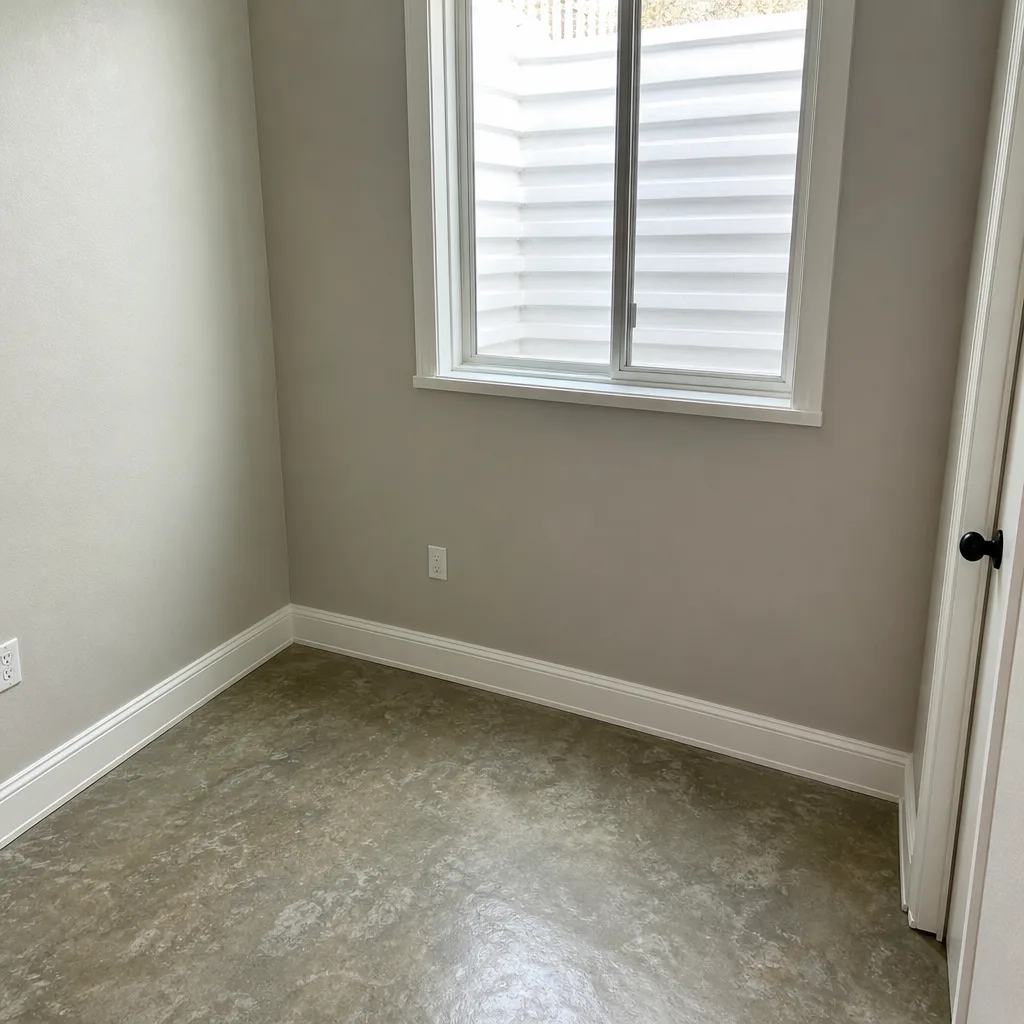
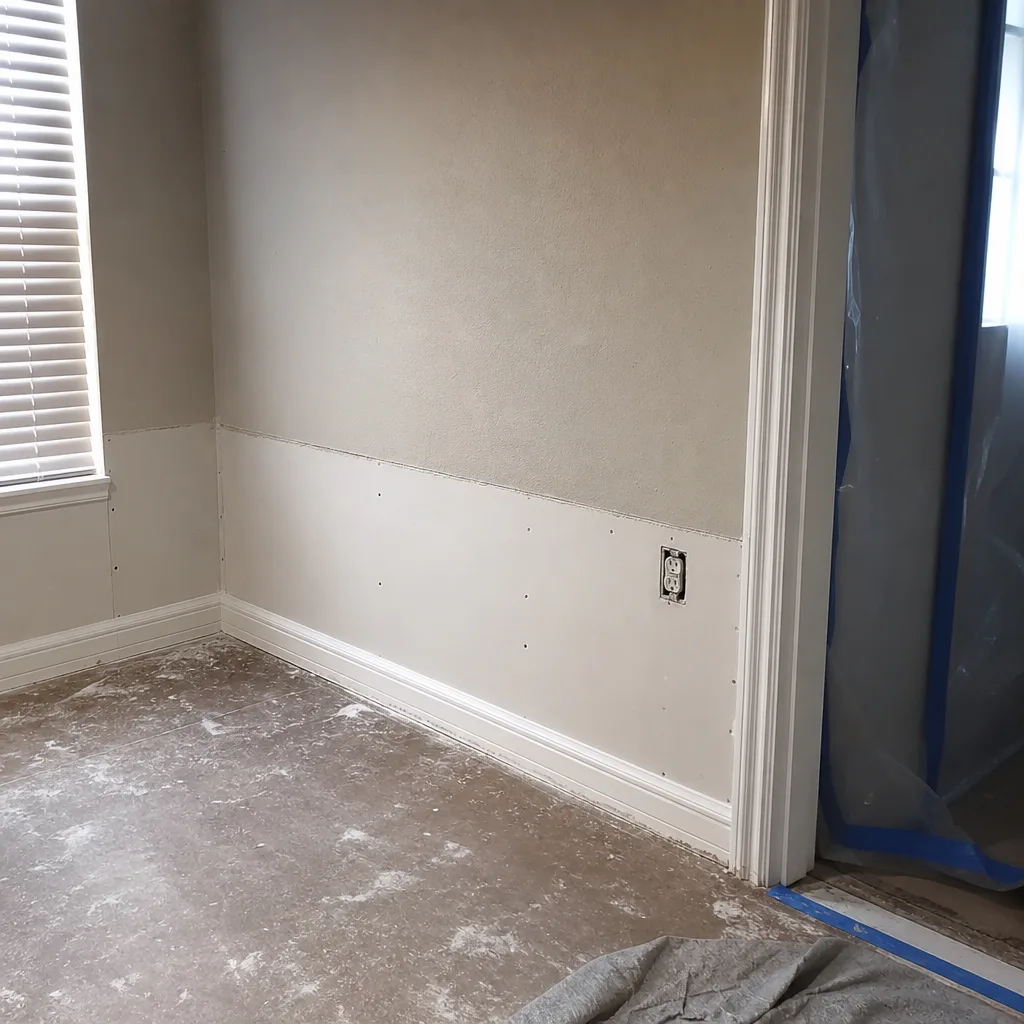
See the difference
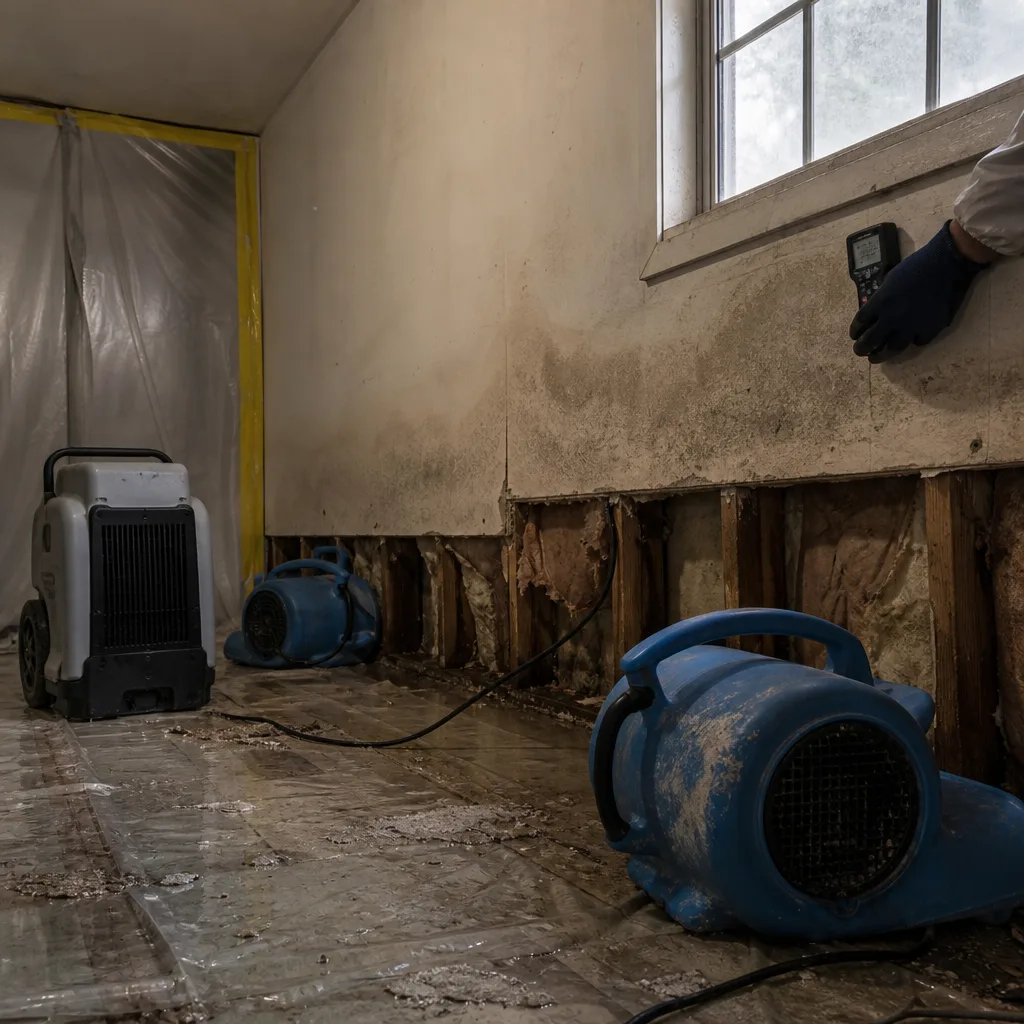 Before
 After
After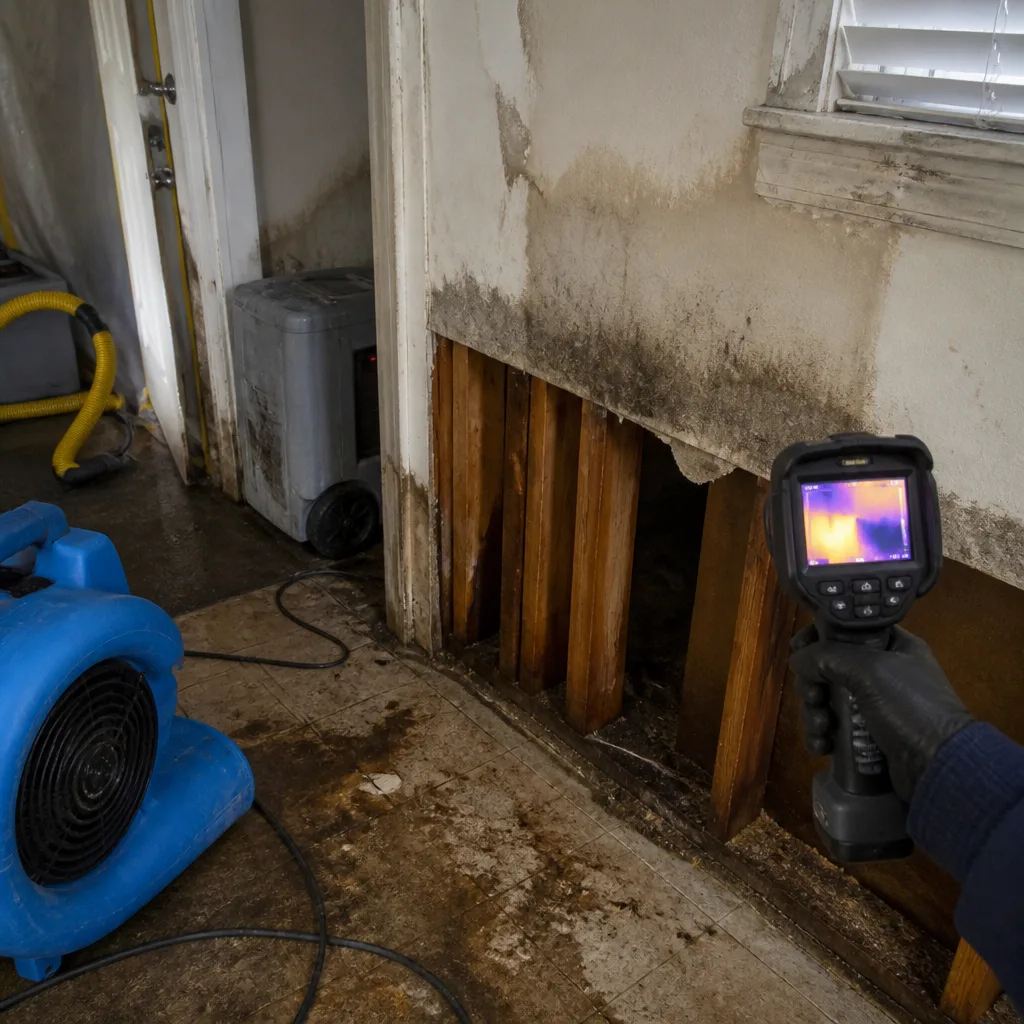 Before
 After
After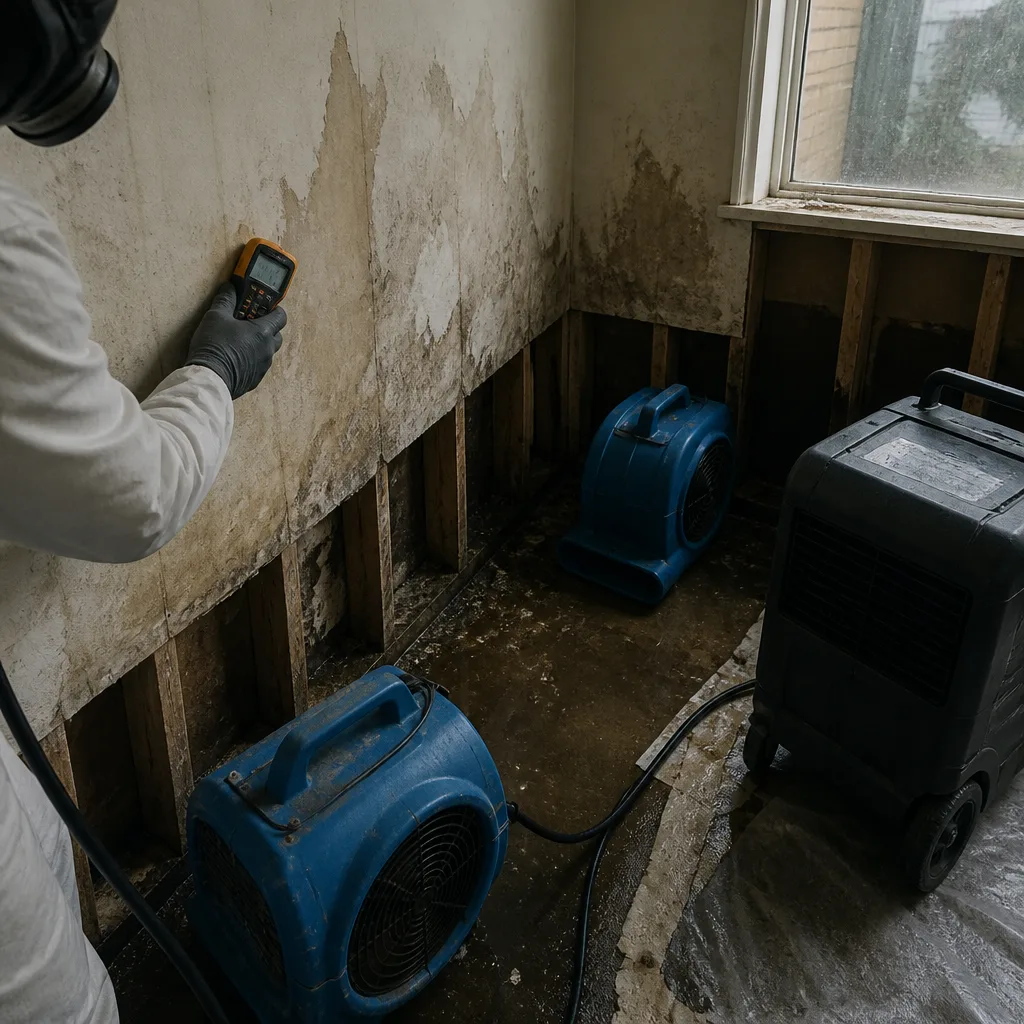 Before
 After
AfterWhen to Call a Professional
Call a professional water damage company when you have active water intrusion from a plumbing failure, an appliance, a roof leak, or weather. Call when you see ceiling sagging, when water has touched electrical, or when you see mold. Call when your meter check shows water moving but you cannot find the source. Call when you bought a home in an older Fort Worth neighborhood and want a baseline moisture inspection of the crawl space or slab before problems appear. Wendell Restoration Fort Worth offers free estimates in Fort Worth. Call (682) 432-0584 for an assessment with a written price before any work starts, and a live technician arrival time you can track, so you are never waiting on a vague window.
Frequently Asked Questions
Twice a year at minimum: once in early spring before hail season, and once in late fall before winter freeze threats. Homes in pier-and-beam districts like Fairmount benefit from a third crawl space check after heavy spring rains because Fort Worth’s clay soil holds moisture against foundation walls for weeks.
The most common sources we document are failing water heaters, HVAC condensate overflows, slab leaks in 1960s and 1970s homes with galvanized supply lines, cast-iron drain stack failures in pre-1980 neighborhoods, and roof leaks after spring hailstorms. Each of these has a specific inspection point that catches the problem before it becomes a restoration project.
Most Texas homeowners policies cover sudden and accidental water damage, which includes burst pipes, water heater ruptures, and appliance failures. Gradual leaks that occurred over weeks or months are often excluded or partially covered, which is why preventive inspections matter financially. We work directly with insurance adjusters and provide photo documentation that supports your claim from the first day.
Same-day dispatch is standard for active water intrusion, because the first 24 to 48 hours determine whether you are dealing with drying or a full rebuild. Calls are answered by a live person 24/7, and a technician shows up with a tracked live arrival time, not a four-hour window. Call (682) 432-0584 and you will have a real ETA before you hang up.
Fans dry surfaces, not wall cavities. Water inside a wall or under flooring requires professional extraction and drying equipment like the high-flow air movers and dehumidifiers we run on every job, using Dri-Eaz, Phoenix, XPOWER, and B-Air equipment under IICRC and RIA standards. If the visible water was from a clean source, was caught within a few hours, and the materials are hard surfaces, DIY drying may suffice. If water touched drywall, insulation, or subflooring, get a professional moisture reading before deciding.
Fort Worth sits on expansive clay soil that shrinks and swells with moisture changes. That movement stresses pipes embedded in and under slabs, creating slow leaks that travel upward through the concrete and into framing. Homes built in the 1960s through 1980s also often have galvanized supply lines that have reached the end of their service life, and those two factors combined make slab leaks a defining Fort Worth water damage pattern.
The Bottom Line
Water damage prevention in Fort Worth is not a seasonal chore list. It is a targeted inspection routine built around the specific ways homes fail in this city: galvanized supply lines under 1960s to 1980s slabs, cast-iron drains in pre-1980 neighborhoods, condensate overflows during North Texas summers, crawl space moisture in pier-and-beam districts like Fairmount, and hail damage from March through June. Each inspection point takes minutes and costs nothing. Each one catches a problem that would have cost thousands if left alone. When you find something you cannot identify, or when water is already moving inside your home, make the call early. Wendell Restoration Fort Worth puts the price in writing before any work starts, and that is how every job should begin. Call (682) 432-0584 for a free estimate.
Written by Blake Sorensen, Owner at Wendell Restoration Fort Worth, serving Fort Worth since 2006.