
Last updated October 16, 2026
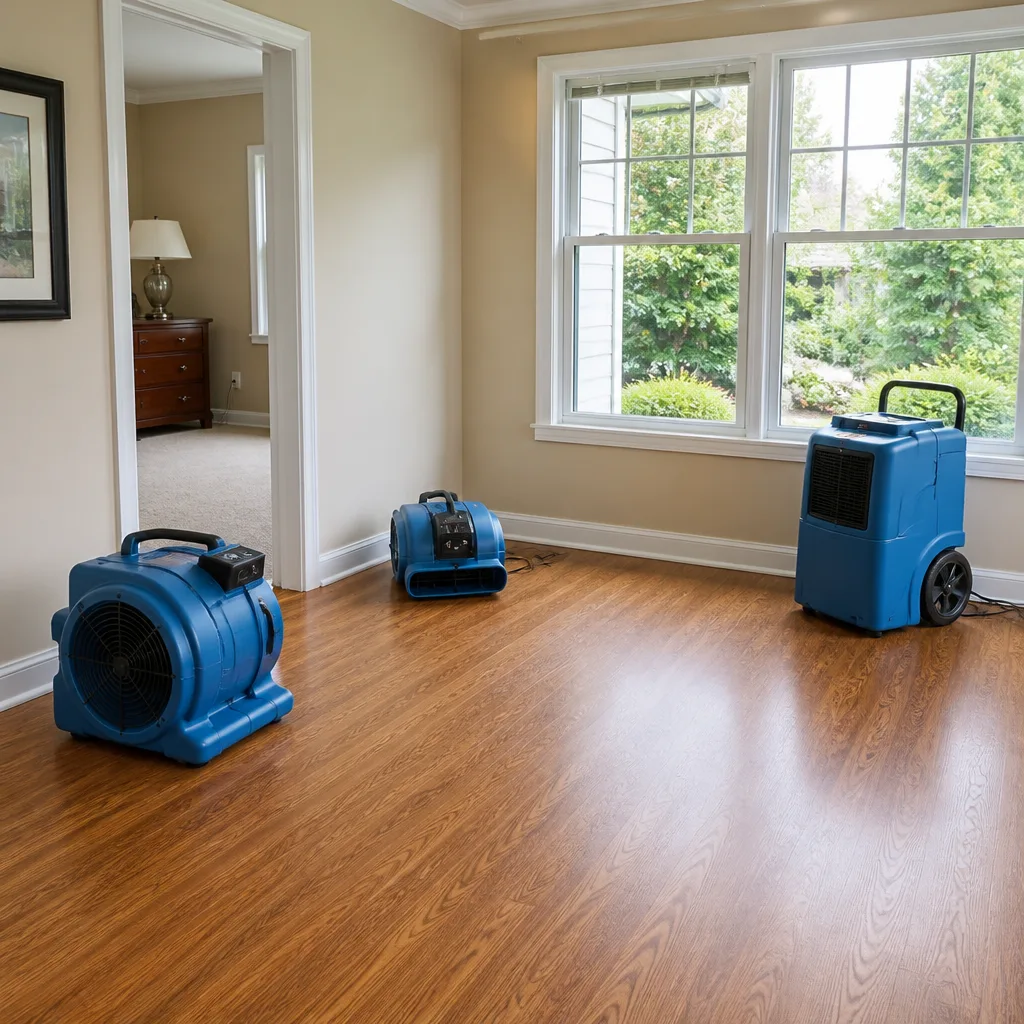 Water damage drying
 Fire & smoke cleanup
 Mold remediation
 Storm response
 Sewage cleanup
 Reconstruction
Free visual inspection and a written scope of work before any mitigation begins - photos, moisture readings, and drying logs go in your claim file
The scope we write is the scope we bill. Anything new gets shown to you, in writing, before we touch it.
Get your free estimateDamage Restoration Warning Signs: A Fort Worth Homeowner’s Reference Guide
The most expensive restoration jobs our technicians walk into in Fort Worth are rarely the surprise catastrophes. They’re the ones where a homeowner noticed something small 14 months ago, told themselves it was probably nothing, and called us only after a ceiling fell in or a wall started staining through the paint. This guide and our more guides & resources exist to give you a different outcome. By the time you finish reading, you’ll know which warning signs in a Fort Worth home are harmless quirks, which ones deserve a call this week, and which ones mean you should stop reading and dial a restoration company today.
Restoration work we handle
Quick Answer
The water damage warning signs in a Fort Worth home that predict a future restoration job are small and easy to rationalize: a musty smell that appears only after rain, a water bill that crept up without explanation, a door that started sticking months ago and never went back, efflorescence (white chalky residue) on brick, or hardwood floors cupping in summer. Fort Worth’s clay soil, slab foundations, and freeze-thaw winters make several of these signals more common here than in other Texas markets. Most of them cost under $1,000 to address early and over $10,000 to address late.
Table of Contents
- Attic Warning Signs
- Exterior Warning Signs
- Plumbing Warning Signs
- Foundation Warning Signs
- HVAC Warning Signs
- Severity Ratings: What Each Sign Actually Means
- What a Professional Moisture Assessment Involves
- Common Mistakes to Avoid
- When to Call a Professional
- Frequently Asked Questions
- The Bottom Line
Attic Warning Signs
Attics in Fort Worth are the first place moisture problems announce themselves, because the temperature swings are so extreme. A 140-degree attic in August against a 72-degree air-conditioned ceiling creates condensation conditions that most other markets never experience. Here are the signs that tell you something is moving through your attic that shouldn’t be.
Rust on nail heads protruding through the roof decking. This is the earliest attic warning sign and almost nobody checks for it. If you can see the underside of your roof decking, look at the nails. Rusted nail heads mean condensation has been forming on those nails for at least one season. In Fort Worth attics, this usually means inadequate ventilation, not a roof leak, but either way, moisture is present where it should not be. Schedule an inspection this week if you see this.
Dark staining on roof decking that follows the rafter lines. This pattern is different from a single dark patch under one shingle. When staining follows the framing, it’s a ventilation problem. Warm, moist air from the house is rising into the attic, hitting the underside of the cold roof deck at night, and condensing along the wood framing. This is what we see on homes in older Fort Worth neighborhoods where bathroom exhaust fans vent into the attic instead of through the roof. The fix is often simple. The damage from ignoring it is not.
Insulation that looks matted, compressed, or darkened in specific spots. Fiberglass batt insulation that’s been wet loses its loft, the same way a down jacket looks flat after getting rained on. If one area of your attic insulation looks like it got stepped on while the rest looks fluffy, that section absorbed water at some point. Wet insulation has an R-value near zero, which means that area of your ceiling is conducting heat, which creates more condensation, which compounds the cycle.
A musty smell that’s stronger in the attic than anywhere else. Attics concentrate odors. If you only notice a musty smell when you open the attic hatch, the source is up there, and it’s been there long enough to saturate the wood and insulation. This is a call-today situation, not a wait-and-see one.
Exterior Warning Signs
Fort Worth’s residential streets are dominated by brick veneer and pier-and-beam homes, and those two construction types produce specific exterior warning signs that homeowners routinely misread. Walking your exterior once a season with this list in hand will catch most problems before they become restoration jobs.
Efflorescence on brick. This is the white, chalky residue that appears on brick faces, and most Fort Worth homeowners dismiss it as dust or pollen. Efflorescence is not dirt. It’s mineral salt left behind when water migrates through brick and evaporates on the surface. That water is moving through your wall. On a brick veneer home in Fort Worth, efflorescence usually means one of three things: failed or clogged weep holes at the base of the wall, missing or deteriorated mortar joints, or a drainage problem at the foundation that’s keeping the bottom courses of brick wet. The severity depends on how much and where. A light dusting low on the wall near the ground is common and usually manageable. Efflorescence climbing higher than the bottom three or four brick courses, or appearing in concentrated vertical streaks, deserves a professional look this month.
Weep holes that are painted over, caulked shut, or buried in mulch. Brick veneer is a drainage wall system. The brick is not waterproof, and it’s not meant to be. Water that gets behind the brick is supposed to drain out through small gaps in the bottom mortar joints called weep holes. When a Fort Worth homeowner caulks those holes shut because “bugs were getting in,” or when a landscaper buries them under raised flower beds, the water that enters the wall has nowhere to go. It sits against the sheathing and framing and does exactly what standing water does. If your weep holes are blocked, unblock them. That one action prevents more wall rot in Fort Worth than any other single exterior fix.
Cupped or warped wood siding near the ground. On the wood-sided pier-and-beam homes common in older Fort Worth neighborhoods like Ryan Place and Mistletoe Heights, the bottom two feet of exterior siding tells you everything about grading and drainage. Cupping (the wood curving up at the edges), paint peeling in sheets rather than fading, and soft spots at the bottom edge all mean the ground is holding water too close to the structure. The fix is often a grading adjustment and some new vapor barrier, not a full re-side. But wait until the siding rots through and you’re replacing framing, sheathing, insulation, and interior drywall on that wall too.
Plumbing Warning Signs
Plumbing leaks in Fort Worth are different from leaks in other markets because of the slab. Most homes here sit on concrete slab foundations, which means the supply lines that feed your bathrooms and kitchen run through or beneath the concrete. When those lines leak, there is no wet spot in the yard and no visible puddle under a sink. The water goes into the slab, into the soil, or into the walls. You have to read the indirect signals.
A water bill that increased without a matching change in usage. This is the single most commonly ignored warning sign in Fort Worth homes. A $18 to $35 monthly increase that persists for two or three months is not a rate hike. It’s a slab leak, a running toilet, or a pinhole leak in a wall. Pull up your water bill. Compare the last 12 months of usage in gallons, not dollars. If usage has trended up month over month while your habits haven’t changed, you have an active leak somewhere. At minimum, shut off all water in the house, note the meter reading, wait 30 minutes, and check it again. If the meter moved, you have a leak. This is a scheduled-inspection-this-week situation, because the leak only gets more expensive the longer it runs.
A hot spot on the floor. Slab leaks on the hot water side announce themselves through the floor. If you feel a section of tile or concrete floor that’s warm when the rest of the floor is not, the hot water line below that spot is leaking into the slab. This is the classic Fort Worth slab leak signal, and it’s one of the few warnings that homeowners almost always correctly identify on their own. What they don’t do is act on it, because a warm floor in winter feels almost pleasant. It is not pleasant. That water is moving through your foundation, eroding the soil, and wetting everything it touches. Call today.
Water pressure that dropped in one fixture but not others. A single shower that’s lost pressure, a single sink that trickles while the others run fine, is a localized leak or blockage. The leak may be in the wall, under that fixture, or in the line feeding it. Run the fixture, then listen against the adjacent wall. If you hear water moving through the wall when the fixture is off, that’s the leak. This one is easy to write off as “just an old pipe,” and the longer it runs, the more drywall, baseboard, and framing it soaks.
The sound of running water when nothing is on. Turn off everything. No TV, no appliances, no HVAC fan running. Walk through the house and listen against the walls and floors. If you hear water moving, you have a leak. Fort Worth slab foundations transmit sound strangely, so this is less common than the hot-spot signal, but when you hear it, it’s real. Call today.
Foundation Warning Signs
Fort Worth sits on expansive clay soil, the kind that swells when wet and shrinks when dry. That soil movement is the underlying cause of most foundation issues in Tarrant County, and foundation movement is itself both a cause and an effect of water problems. A foundation that’s moving can crack plumbing lines, which leak water into the soil, which causes more movement, which cracks more plumbing. Reading the foundation warning signs early breaks that cycle.
Doors that started sticking and never went back. Seasonal door sticking in Fort Worth is normal. The clay soil expands during the spring rains, the foundation shifts slightly, doors stick for a few weeks, then the summer heat dries the soil and doors return to normal. That cycle is familiar to every Fort Worth homeowner. The warning sign is a door that started sticking in a dry month, like August, and still sticks in October. If a door binds during dry weather, the foundation is not cycling. It has moved and stayed moved. That’s a structural sign, and it often means water has saturated the soil under one side of the slab and is holding it there. Call for a foundation evaluation this week.
Cracks in drywall that run diagonally from door or window corners. Hairline cracks that run straight along drywall seams are usually cosmetic, the result of temperature changes and normal settling. Diagonal cracks that angle down from the corner of a door frame or window are the foundation talking. They mean the structure has shifted enough to transfer load through the wall. In Fort Worth, this frequently traces back to water: either a plumbing leak under the slab, a drainage problem saturating one side of the foundation, or a downspout discharging against the footing. The crack itself is not the emergency. The water problem causing the crack is.
Gaps opening between the baseboards and the floor. When a slab drops or heaves on one side, the baseboards separate from the floor along whichever wall is dropping. If you notice a gap that wasn’t there, or a gap that opens and closes with the seasons but is wider in the dry months than it used to be, the foundation is moving more than it used to. This sign pairs frequently with sloping floors, which you can check with a marble or a level on a hard surface. A floor that slopes more than a quarter-inch over ten feet needs evaluation.
HVAC Warning Signs
Your air conditioner is a moisture management system as much as a temperature management system. In a Fort Worth summer, the HVAC system is pulling gallons of water out of the air every single day, and that water has to go somewhere. When it goes somewhere it shouldn’t, the warning signs show up near the unit, in the drain lines, and in the rooms closest to the air handler.
Water pooling around the indoor air handler. The evaporator coil inside your air handler produces condensate as it cools the air. That water drips into a drain pan and flows out through a condensate line. When the line clogs, which happens in Fort Worth because of the dust and the algae that grows in the warm, wet line, the water overflows the pan and pools around the unit. If you see water puddled near your indoor unit, or a water stain on the ceiling below a second-floor air handler, the line is clogged and actively overflowing. The immediate fix is simple, but the damage from repeated overflows is not, especially if the unit sits in an attic above finished ceilings. Call today if you see this.
A sudden spike in indoor humidity, or musty air when the AC runs. If your home suddenly feels clammy when the AC is running, or if passing by a vent produces a musty smell, the system is either not draining properly or it’s circulating air through mold growth inside the unit or the ductwork. Ducts in a Fort Worth attic that leak conditioned air into the hot attic air create condensation inside the ducts, and that condensation breeds mold in the duct liner. The musty smell at the vent is that mold, and it’s being blown through your house. Schedule a professional HVAC and duct inspection this week.
Insulation or drywall staining near ceiling registers. Registers in the ceiling that show discoloration around them, or insulation in the attic that’s wet or stained near the supply ducts, indicate condensation at the duct connection. The cold air is hitting warm attic air at that junction, and moisture is forming. Over time, that moisture stains and then deteriorates the drywall around the register. This is common in Fort Worth homes that added AC after original construction, where the duct connections were never properly sealed and insulated. The fix is sealing and insulating the connections. The cost of ignoring it is replacing drywall and sections of duct.
Severity Ratings: What Each Sign Actually Means
Every warning sign fits into one of three response categories. The category depends on whether water is actively moving into your home, how long it has likely been moving, and what it’s touching. Use these ratings to calibrate your response so a minor issue doesn’t become an expensive one, and an emergency doesn’t get rationalized as a minor issue.
Tier 1: Schedule an Inspection This Week
These signs indicate a moisture problem exists, but it’s not actively flooding anything. You have time to schedule a professional assessment without the problem getting dramatically worse in the next few days.
- Rust on attic nail heads
- Efflorescence low on brick, near grade level
- A water bill that’s increased for 2-3 consecutive months
- Door sticking during dry months
- Diagonal drywall cracks from door or window corners
- Baseboard gaps or mild floor sloping
- Musty smell at AC vents
- Insulation staining near ceiling registers
Tier 2: Call Today
These signs mean water is actively moving into a place it should not be, and every day it continues, the scope of the eventual restoration grows. Mitigation work begun today costs substantially less than mitigation begun next month.
- Dark staining on attic decking following rafter lines
- Matted or compressed insulation in specific attic areas
- A warm spot on the floor indicating an active slab leak
- Water pooling around the indoor air handler
- Sound of running water with all fixtures off
- Efflorescence climbing more than 3-4 brick courses, or in vertical streaks
- Water stains on ceilings in any room
- A musty smell in the attic that’s strong enough to notice immediately upon opening the hatch
Tier 3: Active Emergency – Call Right Now
These are the situations where the damage is compounding by the hour. Water is actively flowing or flooding, and delays mean the difference between drying and demo. In these situations, the cost of a same-day response is far lower than the cost of the damage that accrues overnight.
- Visible standing water anywhere in the home
- Ceiling bulging with water and at risk of collapse
- Water running through light fixtures or electrical outlets
- Sudden water release from a burst pipe or failed water heater
- Any water event involving sewage or gray water from an overflowing fixture
- Active water intrusion through the roof during a storm
If you’re looking at a Tier 3 situation in Fort Worth right now, call a restoration company immediately. If you’re looking at a Tier 1 or Tier 2 situation, schedule an assessment and get a written evaluation before small signs become big ones. Our step-by-step guide on hiring a damage restoration contractor in Fort Worth can help you choose the right professional.
What a Professional Moisture Assessment Involves
One of the biggest reasons Fort Worth homeowners delay on warning signs is that they don’t know what happens when they call a restoration company. They picture a crew showing up with fans and cutting holes in walls. That’s not what an assessment is. Understanding the process removes the hesitation that lets warning signs become crises. Here’s what a professional moisture assessment actually looks like, step by step.
- Visual inspection of the affected area. The technician looks at the warning sign you’ve noticed, plus the areas around it. If you see a ceiling stain, they look at the room above, the attic above that, the roof above that, and the walls adjacent. Moisture problems rarely stay in one spot.
- Moisture mapping with meters. The technician uses a moisture meter to test the actual moisture content of walls, floors, ceilings, and structural materials. This is not guesswork. Different materials have different acceptable moisture levels, and the meter gives a reading that tells the technician whether what they’re seeing is active moisture, residual moisture, or normal. On a Fort Worth slab home, they’ll also test concrete moisture levels in the areas where you’ve noticed signs.
- Thermal imaging where needed. Infrared cameras show temperature differences inside walls and ceilings, which often correspond to moisture. A thermal camera can identify a wet area behind drywall that shows no visual signs yet, which is exactly what you want to find before the paint stains or the drywall softens.
- Humidity and psychrometric readings. The technician measures the relative humidity and temperature of the air in the affected space and compares it to the rest of the house. This is psychrometric drying science: understanding how moisture is moving through the air in your home, not just what’s in the materials. These readings tell us whether the air itself is holding enough water to cause secondary damage in adjacent rooms.
- Written findings and a written scope. You get a report that tells you what was found, what the moisture levels are, what the likely source is, and what it will cost to address. At Wendell Restoration Fort Worth, that scope is put in writing before any work starts. You know the price before anything gets touched, and if we’re wrong about the diagnosis, our 365-Day Done Right Promise means we make it right.
An assessment takes about an hour and it’s the most valuable hour you can spend on a warning sign. It either gives you the all-clear or it gives you a plan.
Common Mistakes to Avoid
In our experience across Fort Worth, homeowners make the same handful of mistakes when they first notice a warning sign, including trying DIY instead of professional damage restoration. Every one of these increases the eventual cost of the restoration. Avoiding them is free.
- Waiting to see if the sign goes away on its own. Moisture problems do not self-resolve. A wet floor joist does not dry out and remain structurally sound. A slab leak does not seal itself. Waiting costs money, every single time.
- Painting over a stain or covering a crack. Paint seals the evidence, not the problem. The water that caused the stain keeps moving under the paint until the paint blisters, the drywall softens, and the repair is twice what it would have been.
- Using a box fan and hoping for the best. You cannot dry structural wood and drywall with a box fan and an open window. What you can do is spread moisture through the air into rooms that were dry. Professional drying requires air movers, dehumidifiers sized to the space, and monitoring. The equipment brands we use, including Dri-Eaz and Phoenix units, are engineered for this exact work.
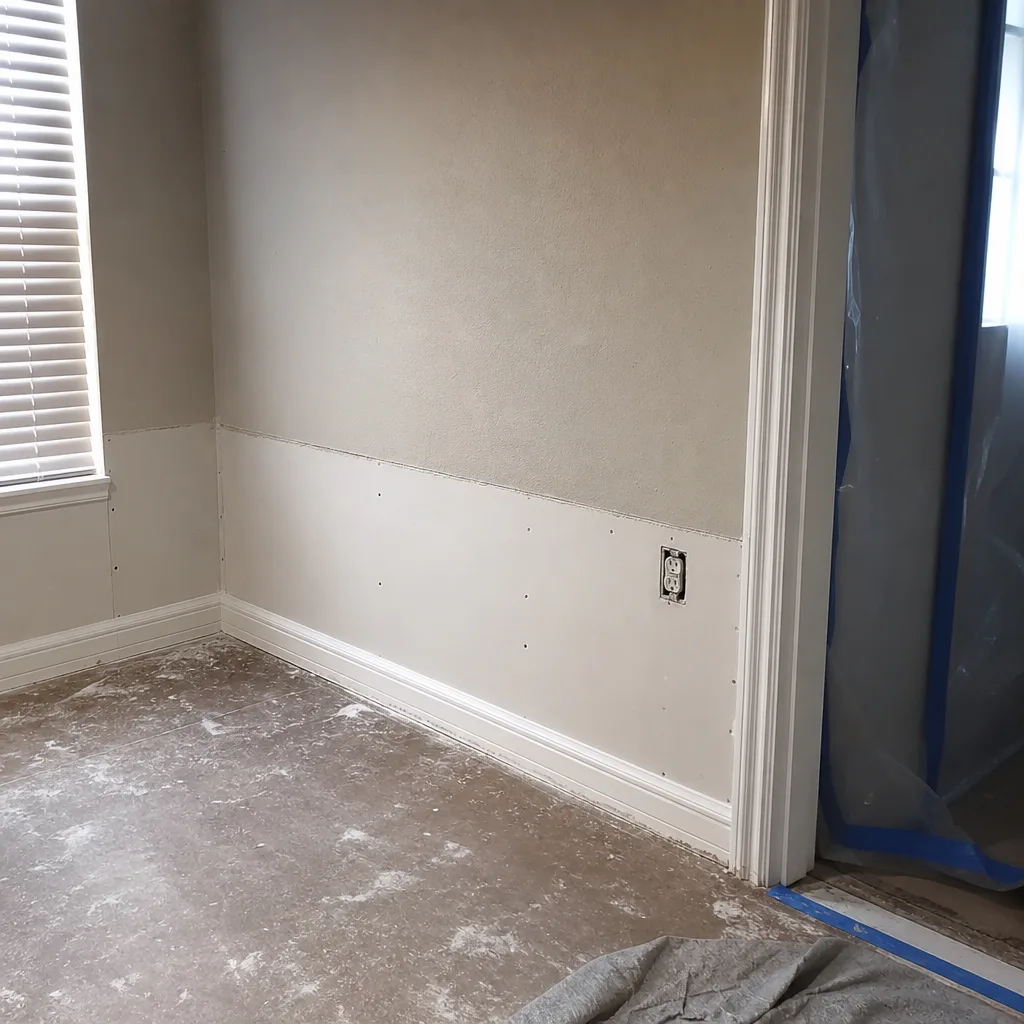
- Calling a general contractor before a restoration company. A general contractor will tear out drywall and rebuild it, but they may not address the moisture source or the structural drying. Restoration comes before reconstruction. Do the mitigation first, then the rebuild.
- Assuming insurance won’t cover it. Many Fort Worth homeowners skip the call because they assume their policy won’t cover a slow leak or a slab leak. The only way to know is to file. We provide photo documentation and can work with your adjuster directly, which makes the claim process far less painful than most people expect.
- Believing a musty smell is normal for an older home. Older homes sometimes smell like old wood. They do not smell like mildew. If the smell is distinct enough that you notice it, the source is active, and it will not go away until someone removes the water and treats the affected materials.
- Putting off the foundation evaluation because you’re afraid of the answer. A foundation evaluation is not the same as a foundation repair. Evaluation tells you what’s happening. Ignoring the signs means you find out what’s happening when a wall shifts or a pipe bursts.
When to Call a Professional
Call a professional when any of the signs above appears and you cannot identify a benign source. If you see a water stain on the ceiling and you know a toilet overflowed directly above it yesterday, clean it up, dry it out, and monitor. If you see a water stain and you have no idea where the water came from, that’s the call. If you notice two or more warning signs at the same time, even mild ones, make the call. Multiple signs mean a system problem, not an isolated event. Wendell Restoration Fort Worth offers free estimates for Fort Worth homeowners, and every assessment comes with written findings before any work is quoted. Call (682) 432-0584 and a live person answers, 24/7, not a voicemail.
Frequently Asked Questions
You’ll usually notice one of three signals: a warm spot on the floor where the hot water line runs, a water bill that’s increased without explanation, or the sound of running water when all fixtures are off. Fort Worth’s clay soil makes slab leaks common, and the only way to confirm one is with professional leak detection equipment. If you suspect a slab leak, call a restoration company this week because the water is eroding the soil under your foundation while you wait.
That specific pattern, musty smell after rain but not other times, almost always means water is entering from outside rather than from a plumbing leak. The rain saturates the soil, water moves toward your foundation or crawl space, and the resulting humidity carries the smell of wet earth and wood. On a pier-and-beam home, it’s usually inadequate crawl space drainage or ventilation. On a slab home, it’s typically a grading issue at the foundation. It will not fix itself, and it gets worse with every rain cycle.
Yes. Efflorescence is the mineral deposit left when water travels through brick and evaporates on the surface. It tells you that water is entering the wall, and in Fort Worth brick veneer homes, it usually points to clogged weep holes or a drainage problem at the base of the wall. Light efflorescence near grade is a schedule-an-inspection situation. Heavy or high efflorescence is a call-today situation.
Faster in summer than winter, because Fort Worth’s heat accelerates evaporation, which pushes moisture deeper into building materials and spreads it through the air. Within 48 hours, wet drywall and wood can begin developing mold, and within a week, structural wood begins to warp. The first 48 hours are the mitigation window. After that, the scope expands from drying to replacing.
It depends on your policy and the cause of the leak. Sudden and accidental events, like a burst pipe, are typically covered. Slow leaks that have been running for months may not be, though many policies do cover the resulting damage even if the repair itself is excluded. The only way to know is to file a claim and have an adjuster evaluate it. We provide photo documentation of all damage and coordinate directly with your adjuster to make the process as straightforward as possible.
Not necessarily. If the leak was caught within 48 hours and the affected area was properly dried, mold is unlikely. If water sat for days or weeks before being discovered, or if the affected materials were not dried to IICRC standards, mold growth is likely and remediation may be needed. The only way to know is a professional moisture assessment with mold testing if indicated. Learn more about our Mold Remediation in Fort Worth process here.
The Bottom Line
Fort Worth homes send clear warning signals long before a water problem becomes a restoration job. Attics show rust and staining, exteriors show efflorescence and blocked weep holes, plumbing shows up in your water bill and on your warm floors, foundations announce themselves through sticking doors and diagonal cracks, and HVAC systems warn you with pooling water and musty vents. The homeowners who catch these signs early spend hundreds on mitigation. The ones who wait spend thousands on restoration. Learn to read the signs. When something shows up, get a written assessment before the next rain or the next billing cycle. If you want to know where your home stands, call us. We’ll look, we’ll tell you what we find, and we’ll put the number in writing before anything gets touched. That’s how we’ve done it in Fort Worth since 2006.
Written by Blake Sorensen, Owner at Wendell Restoration Fort Worth, serving Fort Worth since 2006.
See the difference
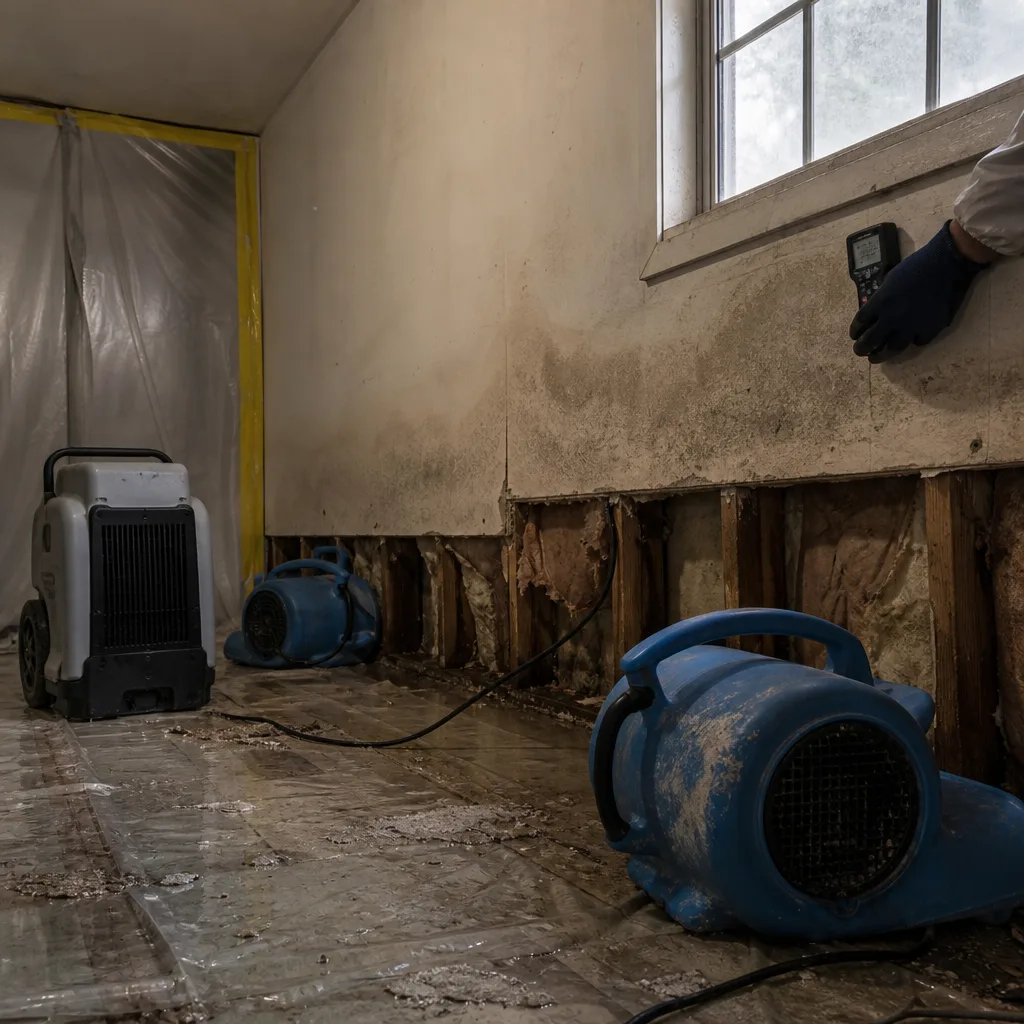 Before
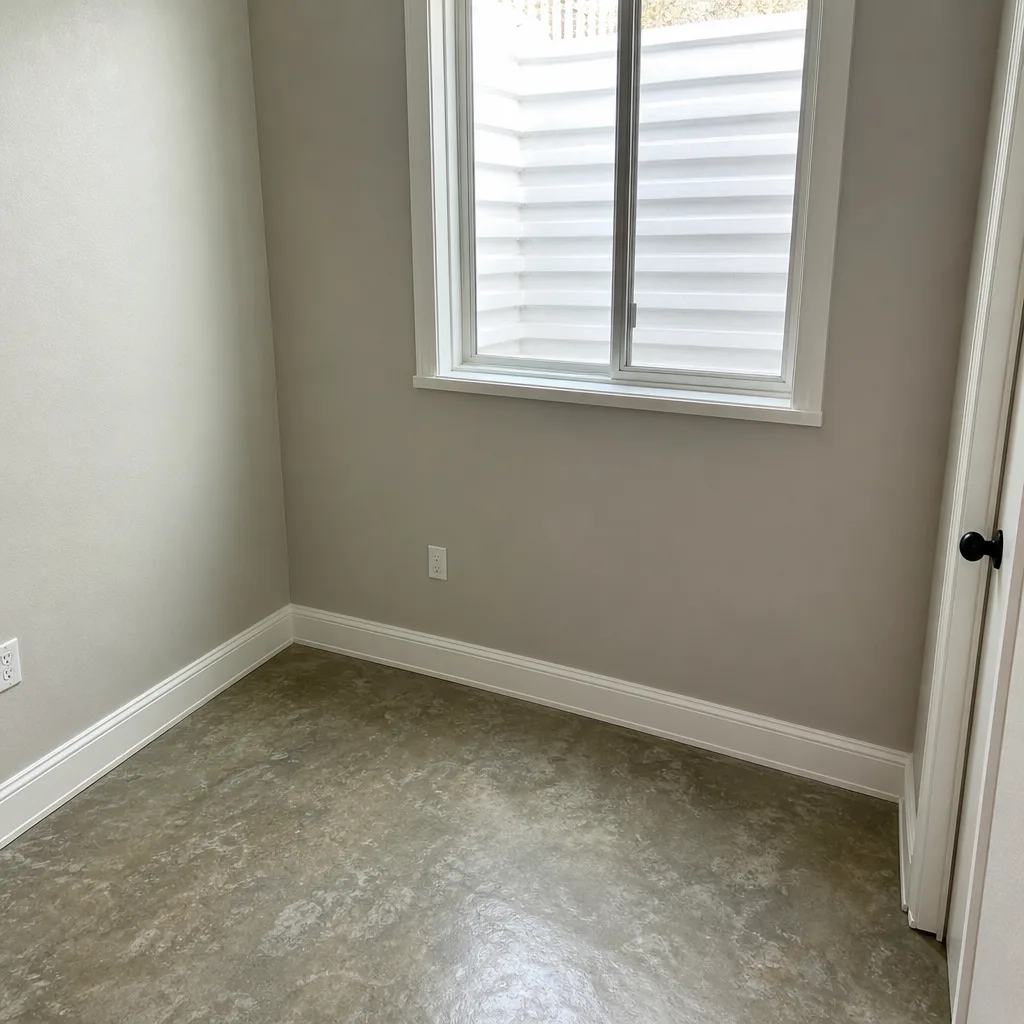 After
After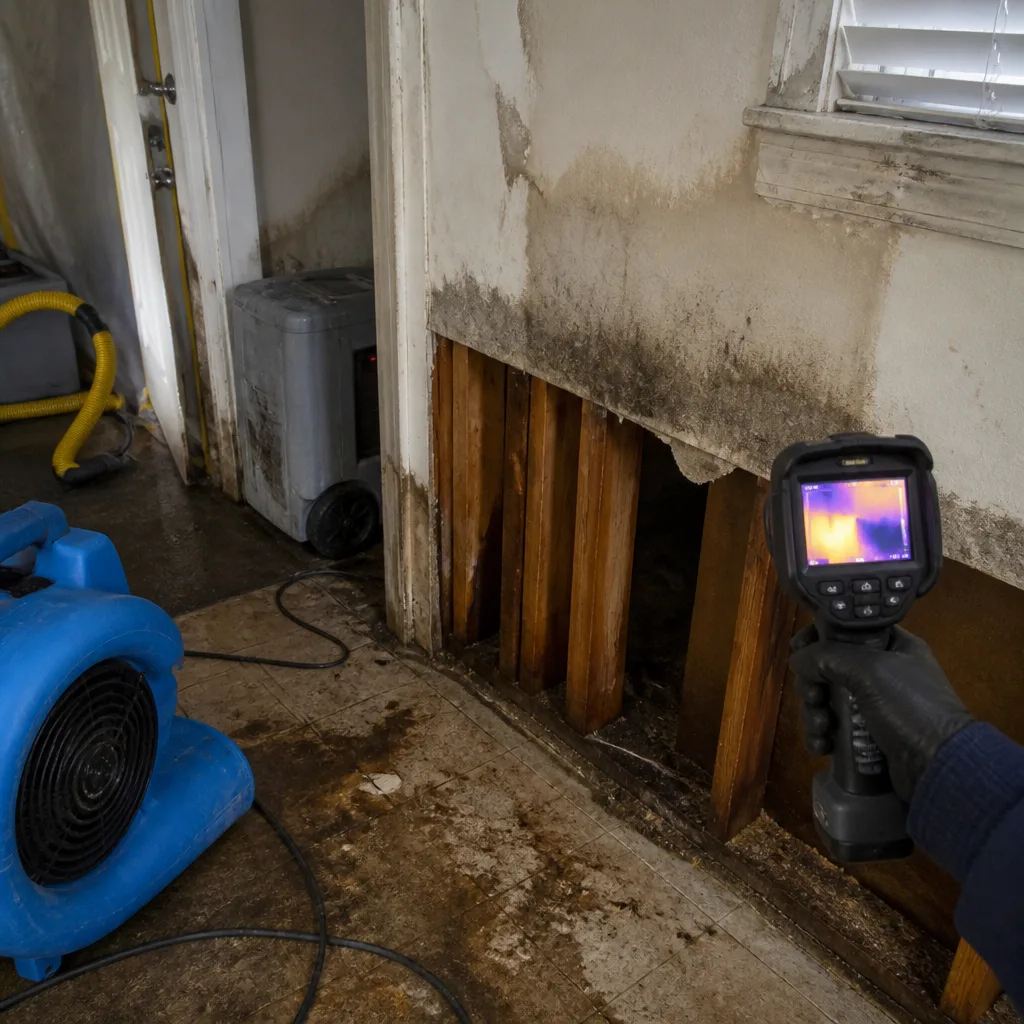 Before
 After
After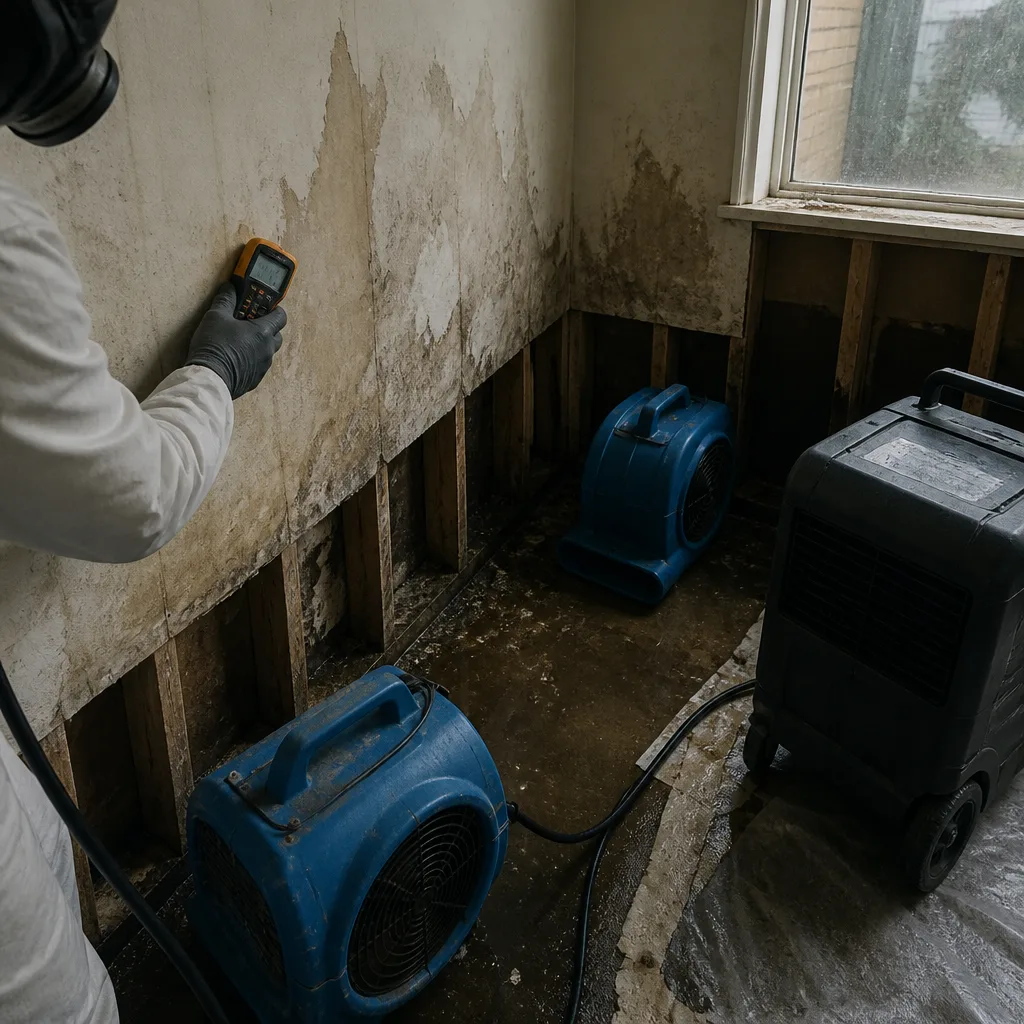 Before
 After
After