
Last updated October 16, 2026
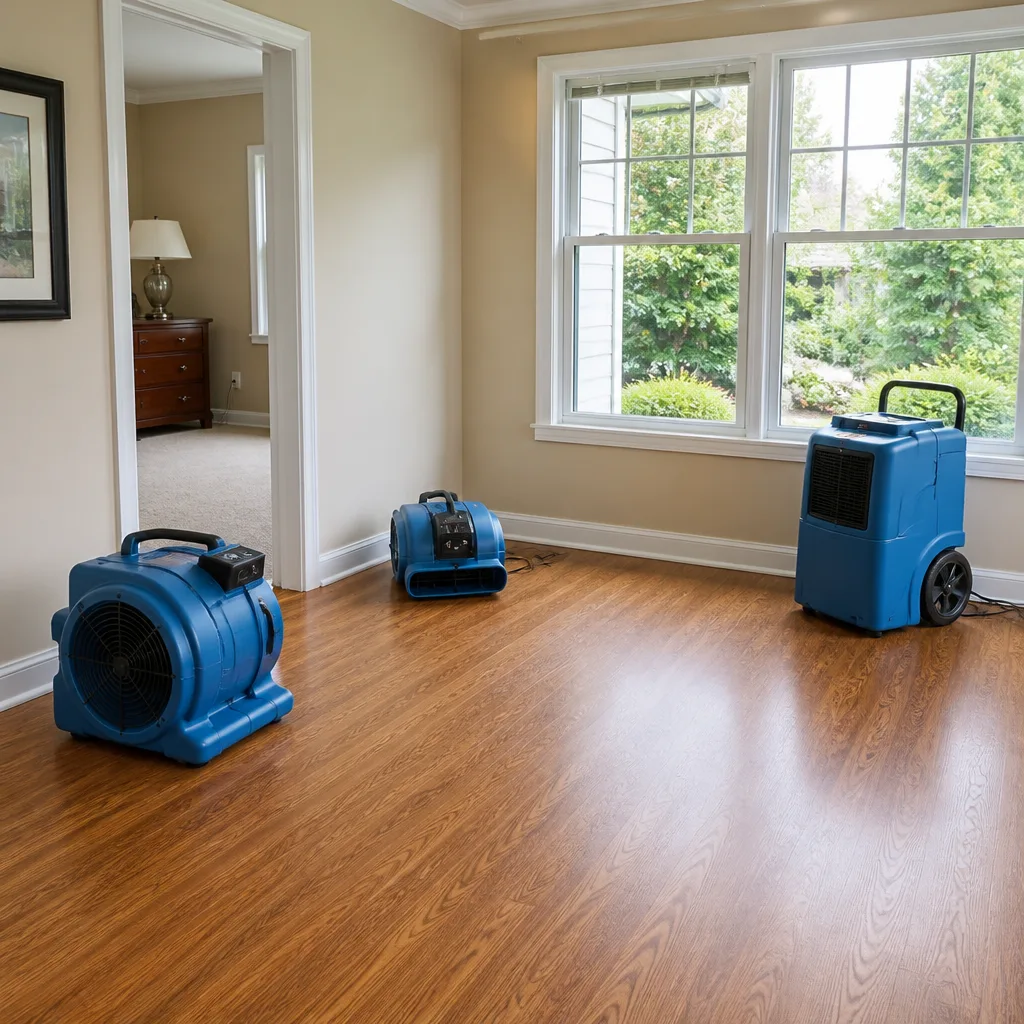 Water damage drying
 Fire & smoke cleanup
 Mold remediation
 Storm response
 Sewage cleanup
 Reconstruction
Free visual inspection and a written scope of work before any mitigation begins - photos, moisture readings, and drying logs go in your claim file
The scope we write is the scope we bill. Anything new gets shown to you, in writing, before we touch it.
Get your free estimateDamage Restoration Cost Breakdown: The Fort Worth Homeowner’s Reference for 2026
Here’s a number that should stop you cold: two Fort Worth restoration contractors can hand you estimates for the same flooded bathroom that differ by $4,200. Not because one is gouging you. Because one scoped five line items and the other scoped nineteen, and you won’t find out which is which until week three, when the walls are already open and the invoice has grown a second page. This guide and our more guides & resources exist to make sure that never happens to you. By the time you finish reading, you’ll know exactly how damage restoration pricing works in Fort Worth, which line items matter, which ones are padding, and how to read an estimate like the adjuster does.
Restoration work we handle
Quick Answer
Water damage restoration in Fort Worth typically costs $3.75 to $7.00 per square foot in 2026, with most single-room jobs landing between $1,200 and $4,500 and whole-home floods running $12,000 to $35,000 or more. Mold remediation adds $1,500 to $6,000 for typical bathroom or attic jobs. Final cost depends on water category, dry-out time, demolition depth, and whether your insurer accepts the line-item estimate.
Table of Contents
- How Restoration Pricing Actually Works in 2026
- Phase-by-Phase Cost Breakdown
- XACTIMATE Explained: Why Two Estimates Differ by Thousands
- Fort Worth Cost Variables You Won’t Find in National Guides
- When a Growing Invoice Is Legitimate (and When It Isn’t)
- How to Read a Line-Item Estimate Like an Adjuster
- Insurance, Adjusters, and What They’ll Actually Pay
- Common Mistakes to Avoid
- When to Call a Professional
- Frequently Asked Questions
- The Bottom Line
How Restoration Pricing Actually Works in 2026
Restoration pricing is not a mystery, though plenty of contractors treat it like one. Every serious restoration company in Fort Worth builds estimates using the same software the insurance industry standardized on years ago: XACTIMATE. That software contains unit pricing for tens of thousands of line items, from “remove and dispose of wet drywall, per square foot” to “HEPA air scrubber, per day” to “antimicrobial application, per square foot, Category 2 water.” When a contractor writes your estimate, they are selecting line items from that database and letting the software calculate totals based on Fort Worth’s adjusted regional pricing.
Here’s where it gets interesting. Two contractors can use XACTIMATE and still produce wildly different numbers. The software is a calculator. The contractor decides what goes into the calculator. One company might scope three days of structural drying equipment on a bathroom floor. Another might scope five days. One might include a content pack-out for the bedroom adjacent to the bathroom. Another might not. One might include four HEPA air scrubbers; another, one. The line items are legitimate; the judgment about which ones apply is where experience, integrity, and sometimes gamesmanship live.
This is why Wendell Water Damage Restoration puts the price in writing before any work starts. Not a ballpark. Not a verbal range. A line-item written estimate from this same XACTIMATE software, so you can see exactly what we scoped and why. If you want to ask why we included a dehumidifier for four days instead of two, you can. That’s the point.
Phase-by-Phase Cost Breakdown for 2026
Every water damage job in Fort Worth moves through the same phases. Understanding what each phase costs, and why, is the single best defense against a bad estimate. Here are the 2026 Fort Worth ranges we see regularly, phase by phase. These numbers reflect actual jobs in Arlington Heights, TCU-Westcliff, Wedgwood, Northside, and out into the Alliance corridor.
1. Emergency Extraction: $300 to $900
This is the first hour of every water damage job. A technician arrives with truck-mounted or portable extraction equipment, removes standing water, and documents the affected area with moisture meters and thermal imaging. In Fort Worth, expect to pay $300 to $900 for this phase, depending on square footage and whether the water is clean or contaminated. Category 1 (clean water from a supply line) extraction is simpler. Category 2 or 3 (gray or black water from washing machines, sewage backups, or floodwater) requires containment setup and personal protective equipment, which pushes the price toward the top of that range.
Speed is the entire ballgame here. Every hour standing water sits in a Fort Worth slab home, it wicks deeper into drywall, baseboards, and flooring. A $450 extraction today beats a $9,000 mold remediation in six weeks. Wendell answers calls live, 24/7, because water damage does not keep business hours and neither do we.
2. Structural Drying: $2 to $5 per square foot per day
After extraction, the actual drying begins. This is where psychrometric drying comes in, which is the trade’s term for tracking the air’s moisture level so we know when your home is truly dry, not just surface-dry. Technicians place air movers and industrial dehumidifiers, drill small holes in affected drywall cavities to allow airflow, and monitor moisture levels daily until the structure reaches its pre-loss moisture content.
Plan on $2 to $5 per affected square foot per day in Fort Worth. A 200-square-foot bathroom with flooded walls and flooring might cost $400 to $1,000 per day in drying costs, typically running three to five days. This phase is where padding creeps into unscrupulous estimates: unnecessary equipment, excessive days, or equipment billed daily without proper monitoring visits. Professional equipment from Dri-Eaz, Phoenix, and XPOWER is the standard we deploy, matched to IICRC protocol, and you should expect the same from any contractor you hire.
3. Mold Testing: $300 to $600
If water sat for more than 24 to 48 hours, especially in a warm climate like Fort Worth’s, mold testing is standard practice-one of the Damage Restoration Warning Signs: A Fort Worth Homeowner’s Reference Guide. A certified mold assessor collects air and surface samples, sends them to a lab, and returns a report identifying spore types and concentrations. Expect $300 to $600 for sampling and lab analysis. Some jobs require both a pre-remediation baseline and a post-remediation clearance test, so budget for two rounds.
Sampling tells you what you’re dealing with before anyone decides whether remediation is needed or the area can simply be dried and disinfected. This is not an upsell. In a city where humidity sits above 60% for half the year, mold moves fast once it starts.
4. Antimicrobial Treatment: $75 to $250 per affected room
Antimicrobial treatment, simply put, is the application of EPA-registered agents that kill or suppress mold and bacteria on affected surfaces. It is not optional after Category 2 or 3 water exposure, and it is standard practice after any water event that touched drywall or insulation, because those materials are organic and porous. Expect $75 to $250 per affected room depending on size and application method (spray, fog, or injection).
This is a line item that often gets cut from lowball estimates to make the bottom line look competitive. It shouldn’t be. Leaving microbial growth untreated behind a closed wall is how a $2,000 water repair turns into a $9,000 mold remediation six months later. For mold-specific work, see our Mold Remediation in Fort Worth guide for a full breakdown.
5. Demolition and Disposal: $400 to $1,800+
Wet drywall, insulation, and baseboards usually come out. That’s a fact of water damage restoration. Demolition labor in Fort Worth runs $50 to $75 per hour per technician, and disposal fees vary by volume. A single bathroom typically runs $400 to $800 for demo and haul-off. A whole-home flood can exceed $1,800.
The key line item to watch here is “containment” during demolition. If mold is present or suspected, the work area should be sealed with plastic sheeting and placed under negative air pressure to prevent cross-contamination. That adds cost, but it protects the rest of your house.
6. Content Pack-Out and Storage: $500 to $3,000
When a water event affects more than one room, your furniture, clothing, and personal items may need to be removed, cleaned, and stored while restoration happens. Pack-out labor, cleaning, and storage run $500 to $3,000 depending on the volume of contents and the length of restoration. This line item is frequently omitted from estimates to keep the number low, only to appear as a change order the moment a crew realizes they can’t dry a room with a sofa and a bookcase still in it. A Water Damage Restoration in Fort Worth project with a transparent scope includes this from day one.
7. Rebuild: $35 to $75 per square foot (and the Labor-Materials Split)
Once everything is dry and treated, rebuilding begins. This is drywall, trim, paint, flooring, and sometimes cabinetry or vanities. In Fort Worth, expect $35 to $75 per square foot for rebuild work in 2026, with highly finished areas like kitchens trending higher due to cabinetry and material costs. The split matters: labor is typically 50% to 60% of a rebuild invoice, materials the rest. Ask your contractor to show you both. Material markups of 20% or more are standard and legitimate; markups of 100% are not.
Rebuild is not an emergency. It should be scheduled, scoped, and priced in writing like a remodel, not thrown into motion the day a technician shows up. If you need repair work after the restoration phase is complete, our Water Damage Repair in Fort Worth page walks through the process.
XACTIMATE Explained: Why Two Estimates Differ by Thousands
XACTIMATE is the pricing platform most insurers and restoration contractors in Fort Worth use. Think of it as the shared vocabulary of damage restoration. It holds regional unit pricing data, updated regularly, and contractors pull line items from it to build estimates. When your adjuster reviews an estimate, they’re comparing consultant-selected line items against their own XACTIMATE reference. That’s why the software matters: it’s the common ground.
But here’s the crucial part homeowners miss: XACTIMATE doesn’t tell anyone which line items apply. It only prices the items the contractor selects. Consider a flooded bathroom with water under the tile floor. One contractor selects “remove tile flooring, per square foot” and “dispose of debris.” Another selects the same two items plus “remove and replace cementitious underlayment,” “apply antimicrobial to substrate,” “install drying mats for subsurface drying,” and “flood cut drywall at 24 inches.” Every single one of those additional line items may be legitimate and necessary. Together they can add $2,000 to $4,000 to an estimate.
The $4,200 difference in the opening example? That’s a real gap we see when a bathroom flood is scoped by a company that physically inspected saturated drywall and opened the built-in vanity to check for hidden water, versus a company that estimated from the doorway in ten minutes. The first company knows what’s wet. The second is guessing, and their guess is cheap.
This is why the written price before work starts matters so much. At Wendell, we don’t hand you a number on a business card. We hand you a printed, line-item estimate that shows exactly what we scoped, item by item. If a hidden issue emerges during demolition, we document it with photos, explain it in writing, and you approve the additional scope before we proceed. No mystery invoices. No week-three surprises.
Fort Worth Cost Variables You Won’t Find in National Guides
National restoration cost guides are useful until they aren’t. Fort Worth has its own cost variables, and the homeowners who know them can spot a bad estimate faster. Here are four that shape pricing in this market specifically:
- Slab-foundation homes and hard flooring. A huge share of Fort Worth’s housing stock is slab-on-grade, not pier-and-beam. Water doesn’t drain down and away on a slab; it travels laterally, under tile, under laminate, into baseboards. That means more affected square footage than a comparable pier-and-beam house, and drying under tile often requires special mats (Injectidry is the brand we deploy) that add $2 to $4 per square foot to the drying line.
- Spring storm season and weekend premiums. Fort Worth’s flood risk peaks in March, April, and May, when severe thunderstorms and hail sweep through Tarrant County. Emergency response demand spikes, and weekend or overnight response typically carries a 20% to 40% premium over weekday rates. That’s not gouging; it’s paying for a crew that’s on standby at 1 a.m. during a storm event.
- Permit fees for structural repairs. If demolition extends to structural framing, or if rebuild work includes plumbing or electrical changes, the City of Fort Worth requires permits. Budget $50 to $250 for typical residential repair permits, depending on scope. Legitimate contractors include this line item. Contractors who “handle it without permits” are saving you $200 and costing you an insurance claim headache later.
- Category 2 and 3 water classification. Clean water from a supply line is Category 1. Gray water from a washing machine or dishwasher is Category 2. Sewage backups and floodwater are Category 3. Category 2 and 3 jobs demand more containment, more PPE, more aggressive antimicrobial work, and often disposal of porous materials rather than cleaning. Budget 30% to 60% more than an equivalent Category 1 job. In a city with aging clay sewer lines and storm drains that back up during spring deluges, Category 2 and 3 jobs are common.
When a Growing Invoice Is Legitimate (and When It Isn’t)
Change orders are the most misunderstood part of restoration. Sometimes they’re legitimate and unavoidable. Sometimes they’re a tactic. Here’s how to tell the difference in Fort Worth.
Three legitimate reasons your invoice grows after work starts:
- Hidden damage revealed during demolition. The most experienced technician in Tarrant County cannot see inside your wall cavity without opening it. When demolition reveals water that wicked further than anyone could see, additional drying, demo, and treatment are necessary. That’s a legitimate scope expansion.
- Lab confirmation of mold requiring additional remediation. Sometimes a water event looks clean, but sampling reveals elevated spore counts. When a lab report confirms mold growth, remediation scope expands to meet the findings. That’s not an upsell; it’s a health and safety finding.
- Code upgrade requirements. If your home was built before current building codes, opening walls for repair can trigger requirements to bring exposed plumbing or electrical work up to today’s code. The City of Fort Worth inspects this. You don’t want to skip it, and it costs what it costs.
Three illegitimate change-order tactics to watch for:
- The verbal estimate that “seems reasonable” and then balloons after demolition starts. Any contractor who won’t put their estimate in writing, line by line, is telling you something. The number on the screen should be the number you pay.
- Estimate padding with unnecessary equipment. If a bathroom is quoted with six air movers and three dehumidifiers, ask why. A competent IICRC-certified technician can justify every piece of equipment on a drying plan. If they can’t, it’s padding.
- Mold “found” without sampling or documentation. Legitimate mold findings come with lab reports and photos. A technician who discovers “mold” and immediately says remediation must start without any sampling is not following RIA or IICRC protocol.
Wendell’s policy on change orders is straight: you’ll get a written price before any work starts, a written guarantee on every repair under our 365-Day Done Right Promise, and a free second visit if a repair fails. If scope changes, you approve it in writing before the work happens. No open-ended anything.
How to Read a Line-Item Estimate Like an Adjuster
When you receive a written estimate from a Fort Worth restoration company, it should look less like a quote and more like an itemized spreadsheet. Here’s a step-by-step way to read it:
- Look for phase separation. Extraction, drying, demolition, antimicrobial, rebuild, and content handling should each appear as separate sections. If the estimate is a single line that says “water damage repair: $7,500,” that’s not an estimate. That’s a guess.
- Check square footage assumptions. Drying and demolition line items should specify square footage or linear footage. Compare those numbers to the affected rooms you can see with your own eyes. If the estimate assumes 800 square feet of affected area and your water event was in a 120-square-foot half bath, ask hard questions.
- Count equipment days, not just equipment. “Air movers, 6 units” means nothing without days. “Air movers, 6 units, 4 days” is a scope. Same with dehumidifiers and air scrubbers. If drying days aren’t specified, the estimate is incomplete.
- Look for the line items that should always be there. After Category 2 or 3 water, antimicrobial application is non-negotiable. After any water event touching drywall, flood cut at the moisture line is standard. If those items are missing, the estimate is artificially low.
- Identify rebuild labor versus materials. Both should be itemized. If you can’t tell how much is labor and how much is materials, you can’t evaluate the markup.
The Wendell Restoration Fort Worth home page explains how our transparent pricing commitment works in practice: a written scope, a live arrival time you can track, before-and-after photo updates by text, and a digital invoice you pay from a link.
Insurance, Adjusters, and What They’ll Actually Pay
Most Fort Worth homeowners pay for water damage restoration through a homeowners insurance claim. Understanding how adjusters think will save you thousands. Adjusters work from the same XACTIMATE software and evaluate your contractor’s estimate against their own independent assessment. The more detailed and justified your contractor’s scope is, the more likely the adjuster is to approve it.
Two things matter above all else: documentation and scope justification. Every line item on a restoration estimate should be traceable to visible damage, a moisture reading, a lab result, or an industry standard. When Wendell technicians document every phase with photos and moisture readings, we’re doing two jobs at once: drying your house and building the evidence file your adjuster needs to approve full payment. We work directly with your insurer, coordinate with your adjuster, and make sure the paperwork matches reality.
If you’re early in the claims process and wondering whether to even file, call your agent before you do anything else. Water damage claims can be complex, and Fort Worth homeowners policies vary significantly on flood versus water backup coverage. A Category 1 supply-line leak is usually covered. A sewer backup may require a specific endorsement. Spring storm flooding may require a separate flood policy. Know your policy language before you make decisions.
Common Mistakes to Avoid
- Accepting a verbal estimate. If a contractor won’t put the price in writing before work starts, you’re accepting an open-ended liability. In Fort Worth, no reputable company should have a problem with a written line-item estimate.
- Waiting to call after water appears. Every hour of wait time in a Fort Worth summer means faster mold growth and deeper saturation. The $450 extraction you could have had on day one becomes a $9,000 remediation by week three.
- Hiring a contractor who “does restoration on the side.” Water damage restoration is a trade with standards: IICRC, RIA, and IFA protocols exist for a reason. A general contractor who occasionally dries basements doesn’t have the equipment or training for psychrometric drying.
- Approving demolition without a drying plan. If a contractor wants to start ripping out drywall before explaining how they’ll dry the structure, stop. Demo should follow a moisture assessment and a drying plan, not replace it.
- Ignoring content pack-out until it becomes a change order. If you have a furnished room with water damage, ask upfront how contents will be handled. A contractor who doesn’t mention it is planning to figure it out later at your expense.
- Choosing the lowest bid without comparing scope. A $3,500 estimate with proper containment, antimicrobial, and drying is a better deal than a $2,800 estimate that omits all three. Price without scope is meaningless.
When to Call a Professional
Some water damage situations are manageable with towels and a fan. Most are not. Call a professional immediately if water has touched drywall, insulation, or flooring materials like laminate or engineered wood, because those materials wick moisture and hide damage. Call if the water is Category 2 or 3 (washing machine overflow, sewage, floodwater). Call if water sat for more than 24 hours. Call if you smell mustiness, see discoloration, or notice visible mold growth. And call before you touch anything yourself: high-voltage electrical panels, wet drywall over outlets, and standing water near appliances are genuinely dangerous. Wendell Restoration Fort Worth offers free estimates in Fort Worth, call (682) 432-0584 and a live person will answer, 24/7.
Frequently Asked Questions
Most Fort Worth water damage restoration jobs run $3.75 to $7.00 per square foot, with single-room jobs landing between $1,200 and $4,500 and whole-home floods reaching $12,000 to $35,000. The final number depends on water category, dry-out duration, demolition depth, and rebuild scope. Call (682) 432-0584 for a free, written line-item estimate with no obligation.
A company with true 24/7 dispatch can typically have a technician on-site anywhere in Fort Worth within 60 to 90 minutes of your call, depending on traffic and the time of day. Wendell answers every call with a live person and provides a technician arrival time you can track before the truck leaves. Call (682) 432-0584.
Insurance coverage depends on the source of water: supply-line leaks and appliance failures are commonly covered; sewer backups typically require a specific endorsement; storm flooding requires a separate flood policy. Your restoration contractor should provide photo documentation and line-item estimates that coordinate with your adjuster. Call (682) 432-0584 for guidance on your specific situation.
Water damage restoration addresses the immediate effects of water: extraction, drying, antimicrobial treatment, and rebuild. Mold remediation is a specialized process for when mold growth has already occurred, involving containment, HEPA air filtration, removal of contaminated materials, and clearance testing. Many Fort Worth water claims require both. Call (682) 432-0584 for an assessment.
Household fans and a residential dehumidifier cannot dry the inside of wall cavities, under flooring, or behind baseboards. Professional equipment removes moisture at rates that prevent mold growth, with commercial air movers and dehumidifiers monitored by moisture meters. Skipping professional drying is the fastest way to turn a $3,000 water repair into a $12,000 mold remediation. Call (682) 432-0584 for a professional assessment.
A transparent estimate should include phase-by-phase line items for extraction, drying (equipment type, count, and days), demolition, antimicrobial application, content handling if applicable, and rebuild labor versus materials. Square footage assumptions should be visible. Any Fort Worth restoration company that won’t provide this in writing before work starts is not working in your interest. Call (682) 432-0584 for a written estimate.
The Bottom Line
Fort Worth restoration pricing runs on line items, not mystery numbers. The difference between a good estimate and a bad one is scope: a competent contractor who scopes nineteen line items and a lazy one who scopes five can arrive at prices $4,200 apart for the same bathroom. Read the line items. Ask about square footage, equipment days, antimicrobial, and content handling. Demand a written price before work starts. And if you ever want an estimate you can actually understand, Wendell Restoration Fort Worth is one phone call away at (682) 432-0584, with a live person answering, 24/7.
Written by Blake Sorensen, Owner at Wendell Restoration Fort Worth, serving Fort Worth since 2006.
See the difference
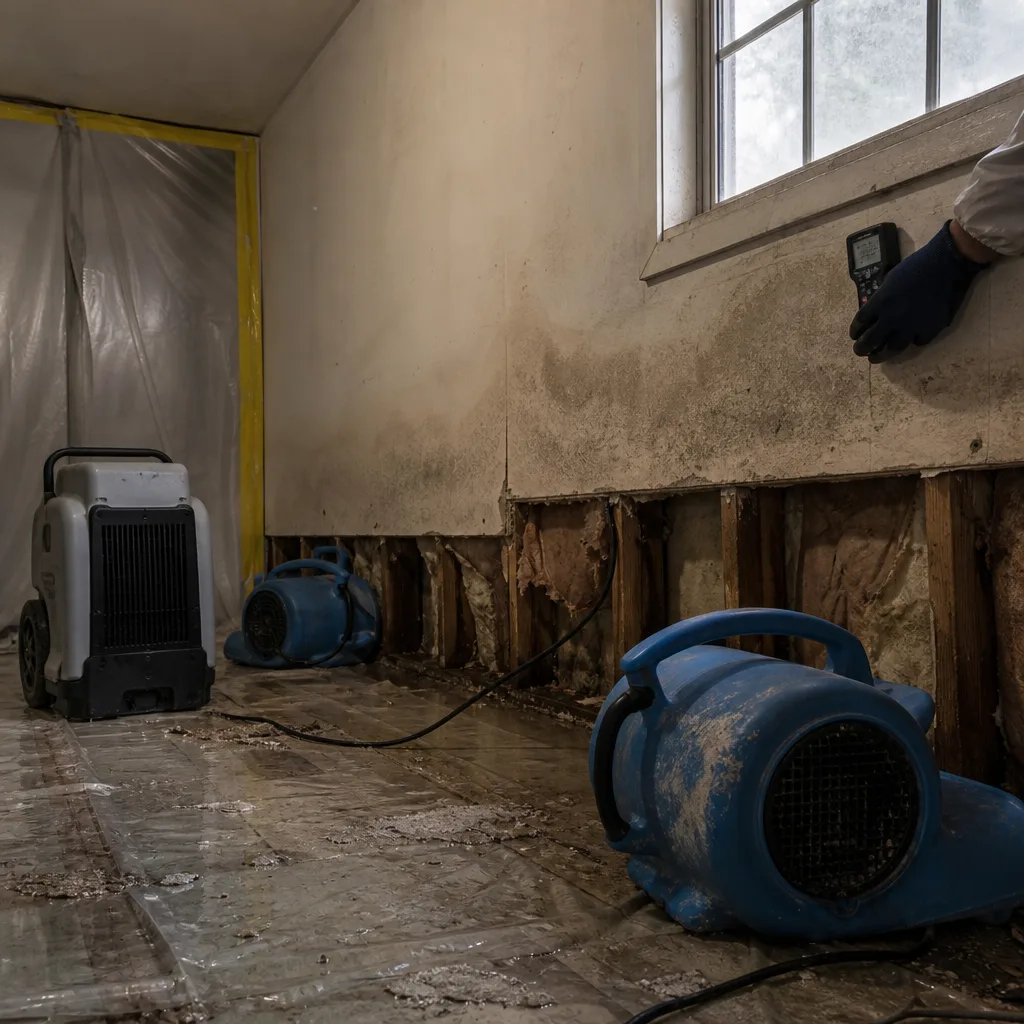 Before
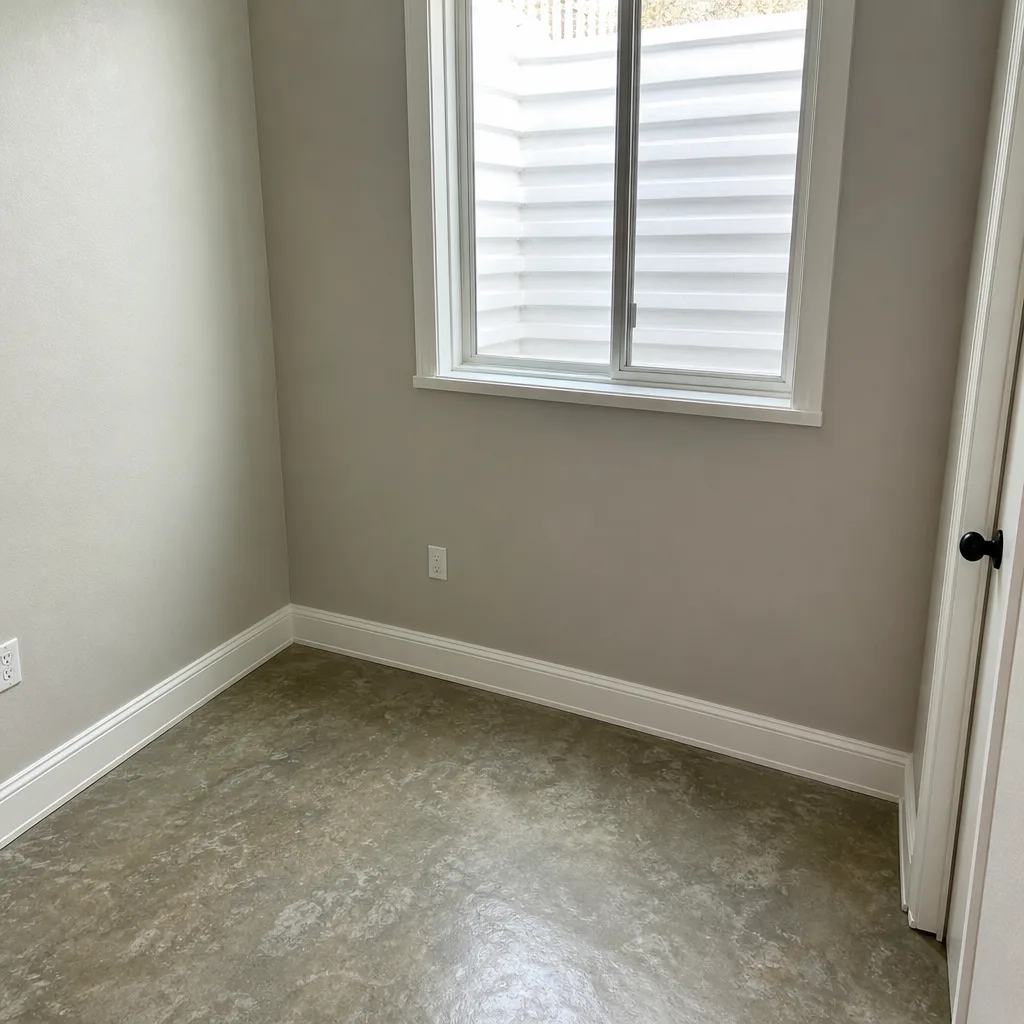 After
After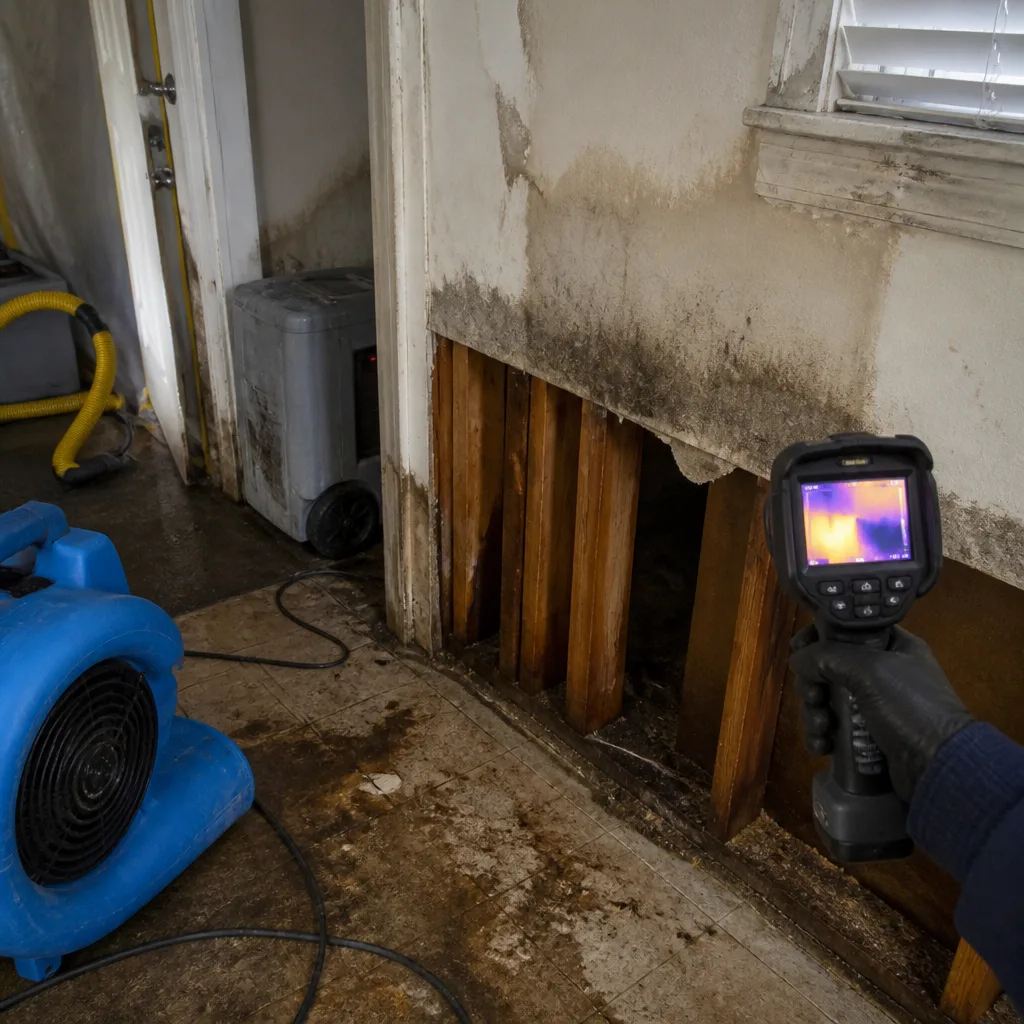 Before
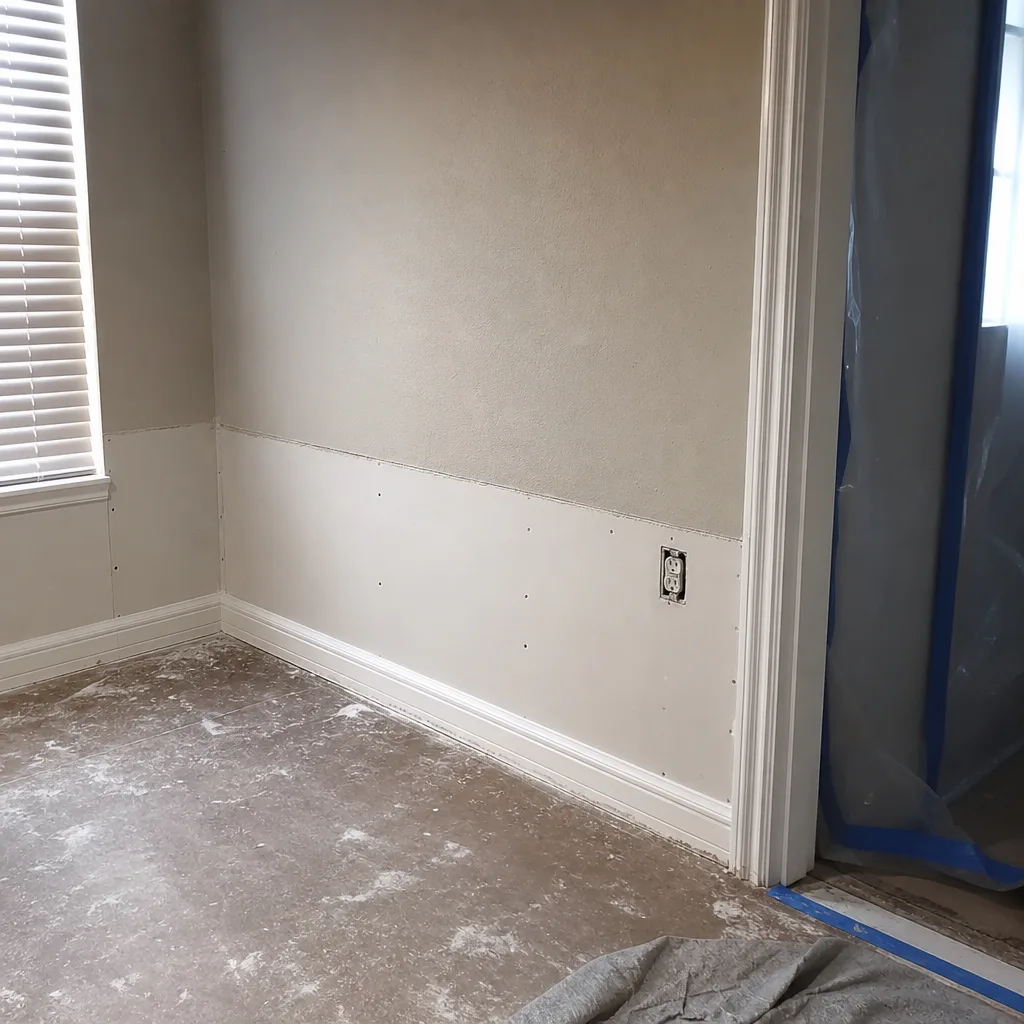 After
After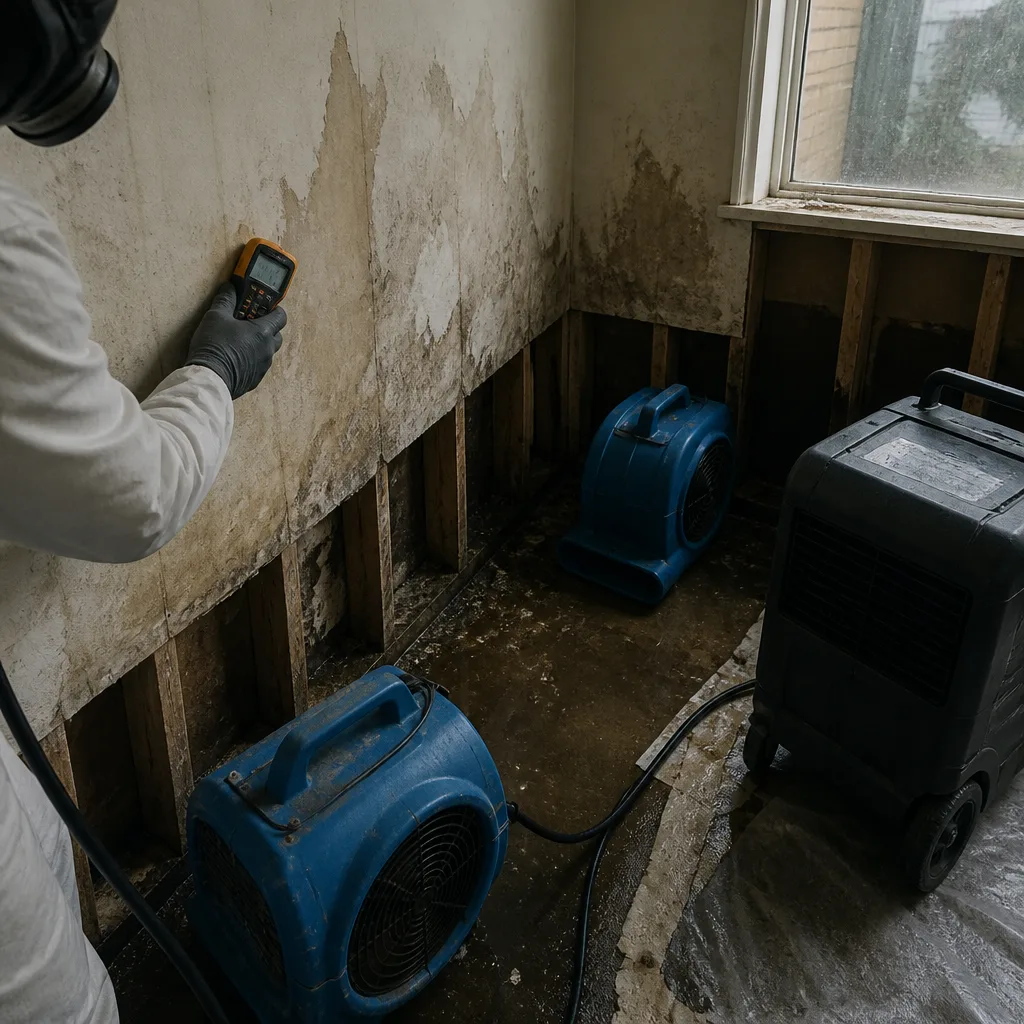 Before
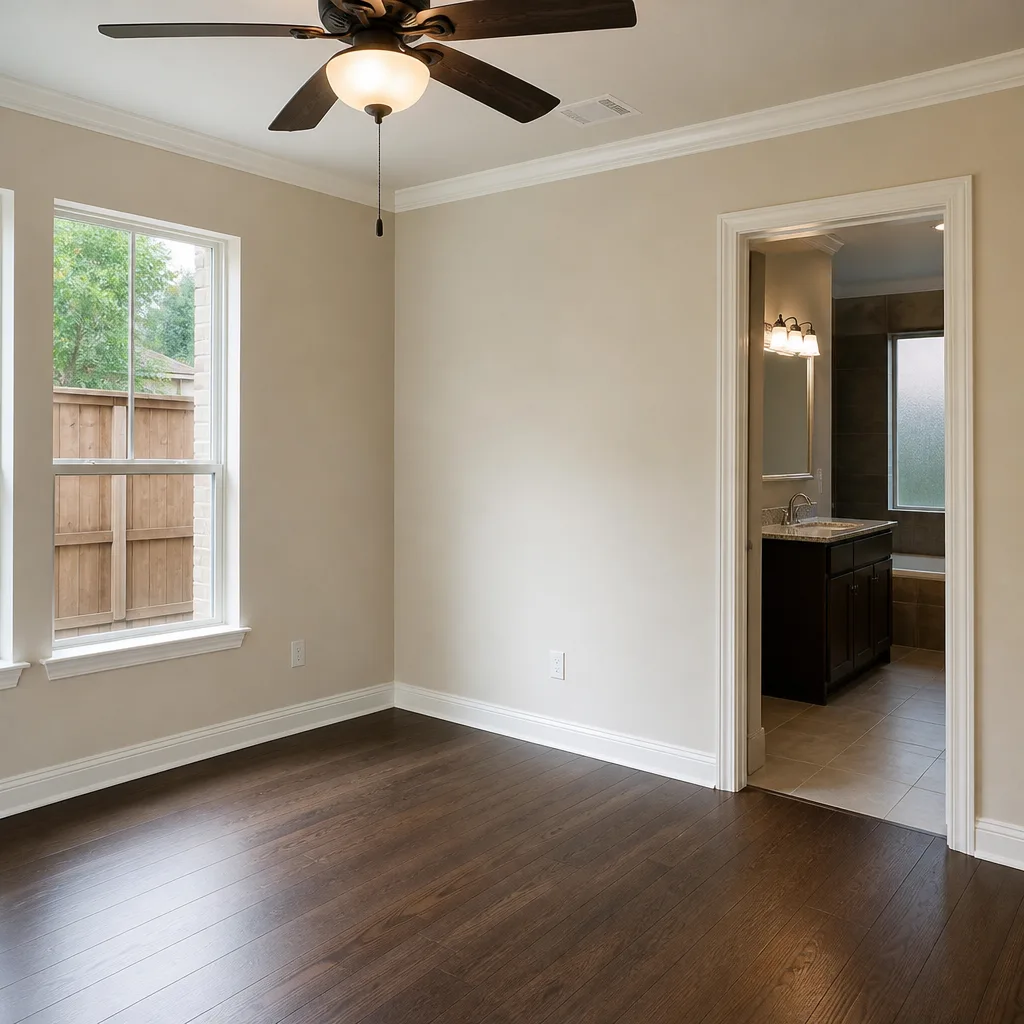 After
After